Can You Do Oaxaca Without A Car?
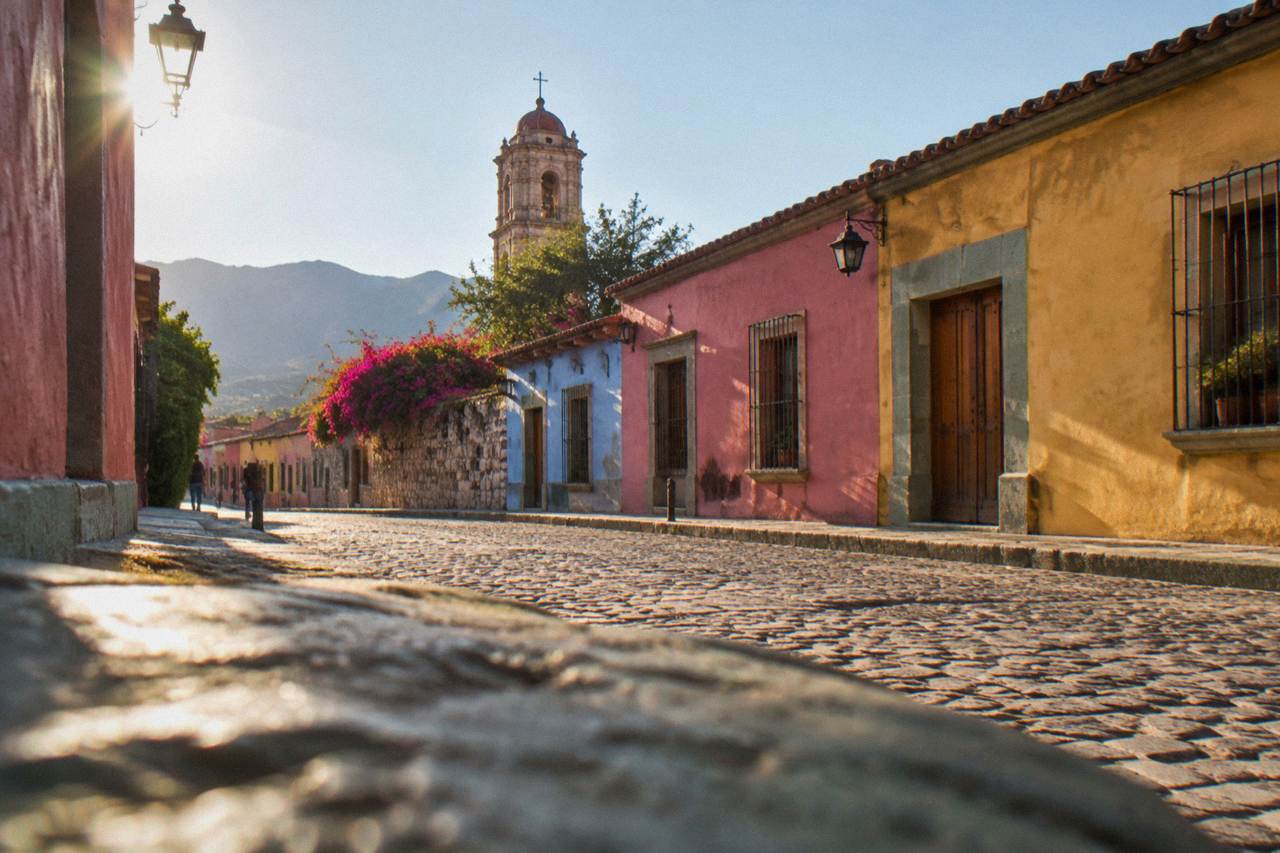
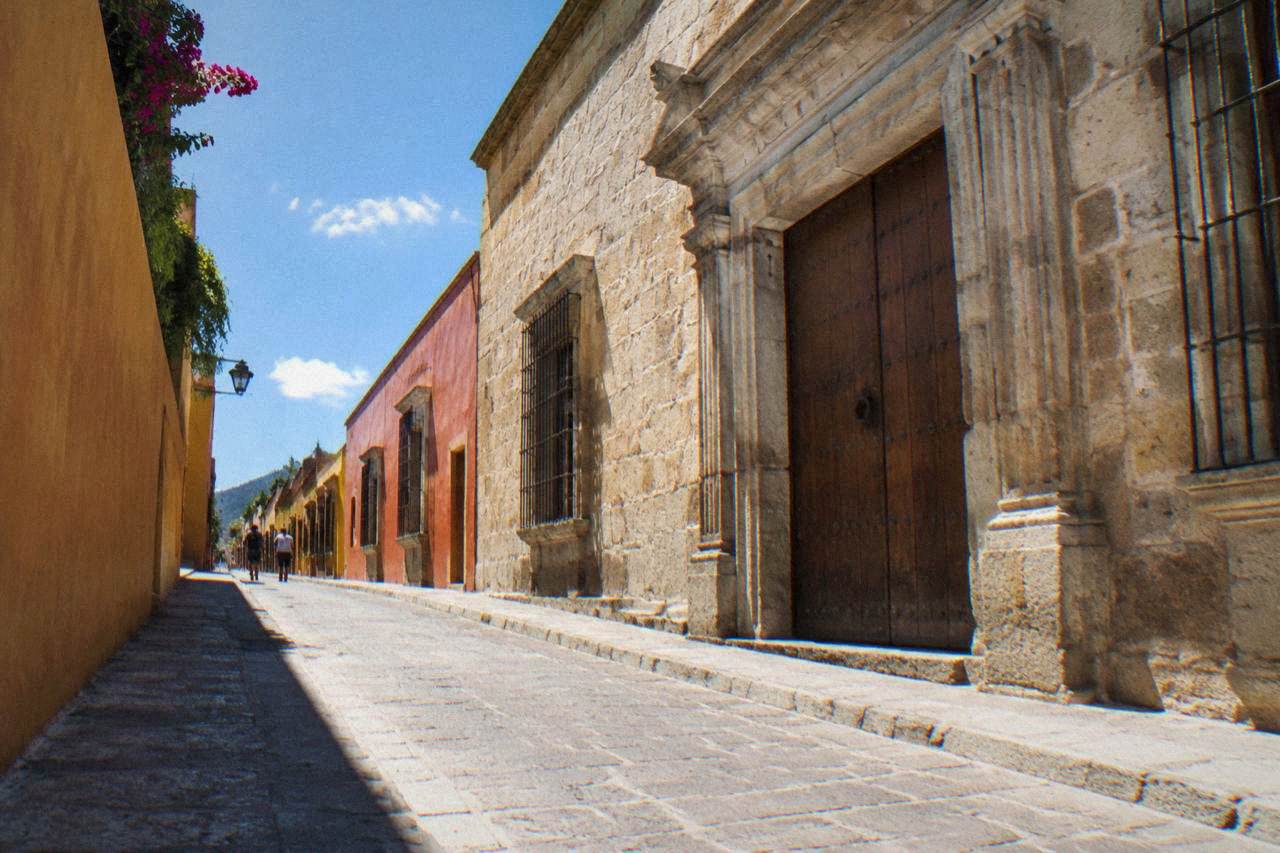
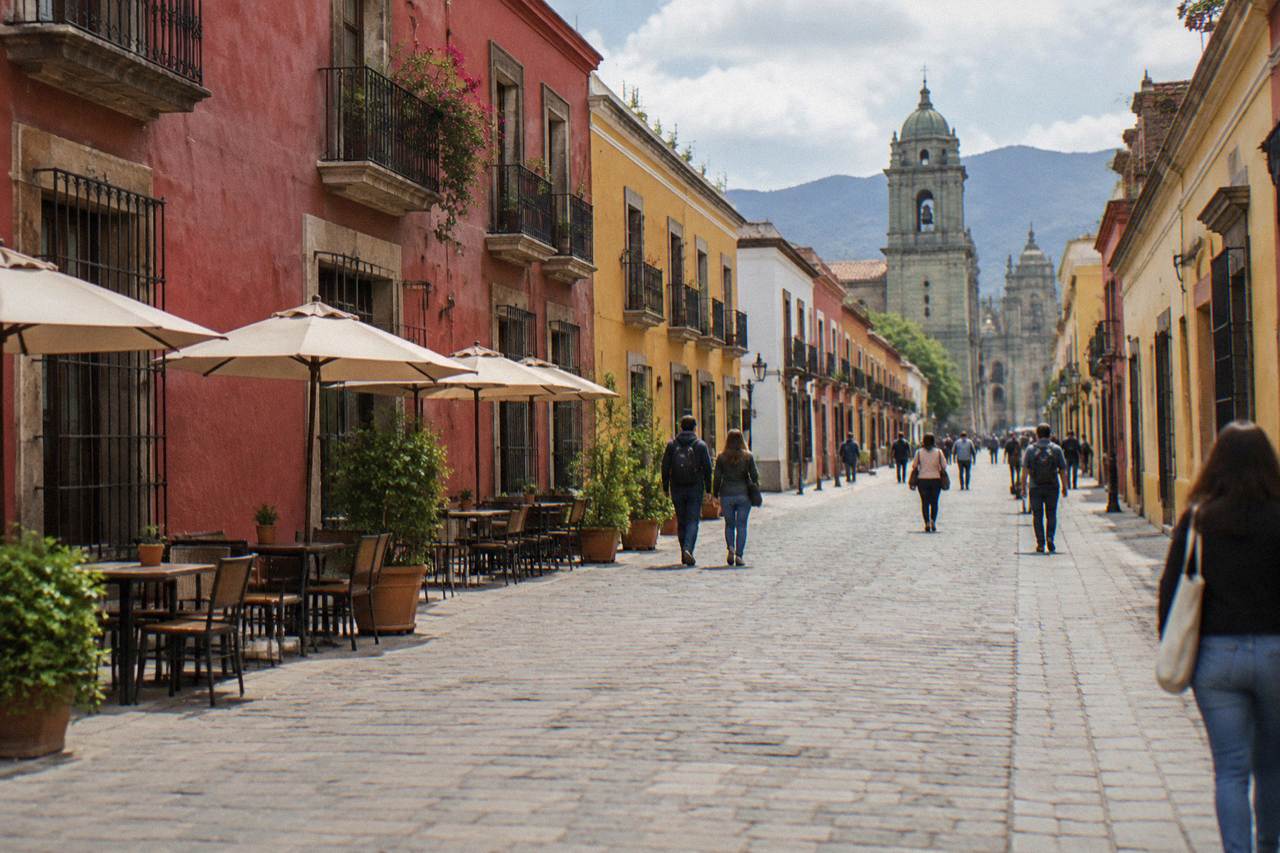
Oaxaca City works well without a rental car: a compact walkable centre, colectivo and tour routes into the valleys, and drive times that stay short. Here is what the sources say.
Straight answers to the questions visitors actually ask about Oaxaca.
Oaxaca City works well without a rental car: a compact walkable centre, colectivo and tour routes into the valleys, and drive times that stay short. Here is what the sources say.
Practical guidance on tap water in Oaxaca City: what visitors drink, where to get safe water, and how ice, juices and street drinks are handled in the Valles Centrales.
Ride-hailing apps including Uber are reported to operate in Oaxaca City, alongside street taxis and colectivos. Here is how the options compare for the Centro Histórico, Monte Albán and the valleys.
No, Oaxaca has no Mayan ruins. Here is what the area around Oaxaca City actually has: Monte Albán, Mitla, Yagul and the smaller INAH sites, with hours, entry fees and drive times.
Puebla is a long extension from Oaxaca City, not a day trip. Here is what the distances, INAH site hours and tour options say about planning both cities.
How to travel from Mexico City to Oaxaca City by plane, bus or car, with what to expect on arrival and how to plan your first days in the Valles Centrales.
Month by month temperatures for Oaxaca City, an inland highland city at about 1,550 m: mean daily highs, overnight lows, rain and how to plan around them.
How long the Mexico City to Oaxaca bus takes, what the operator sets, and what to plan for the ride to Oaxaca City in the Valles Centrales of Mexico.
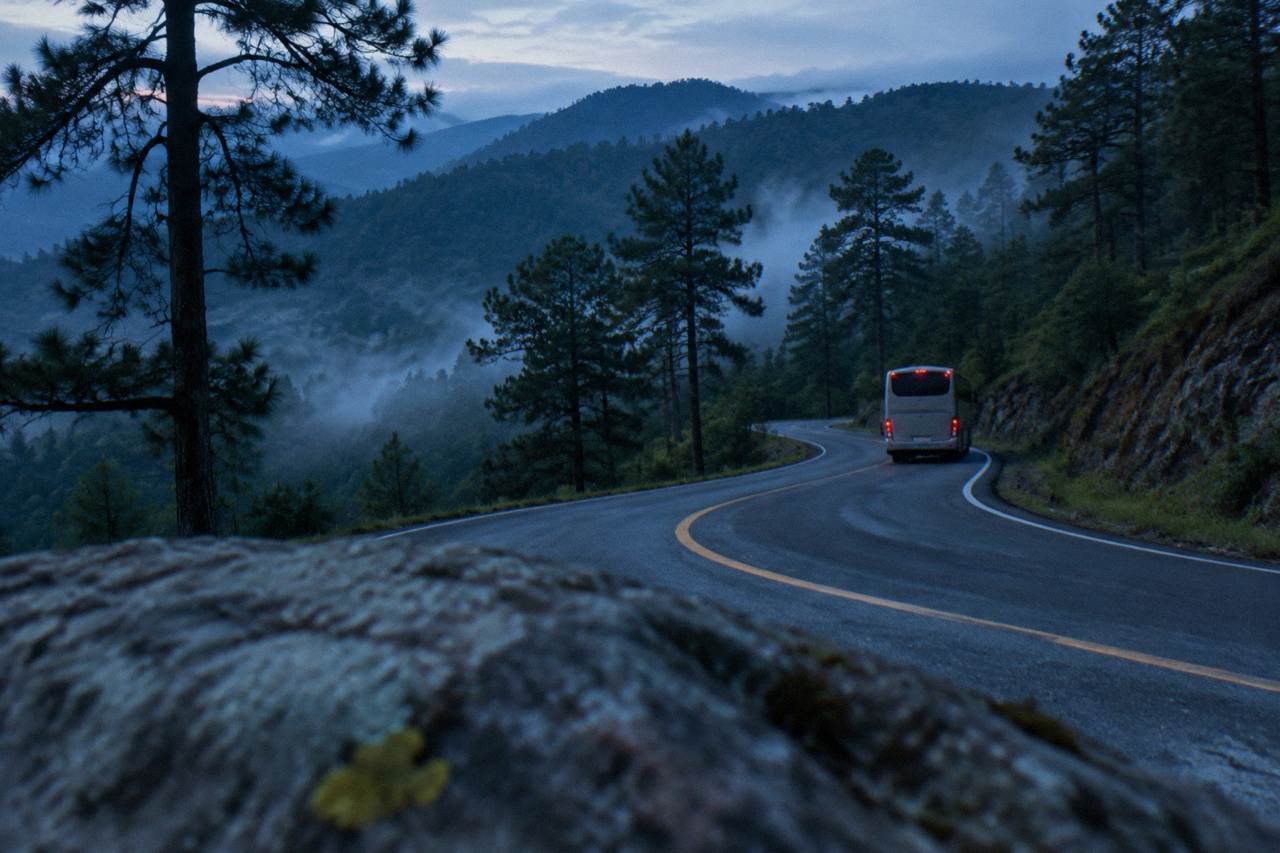
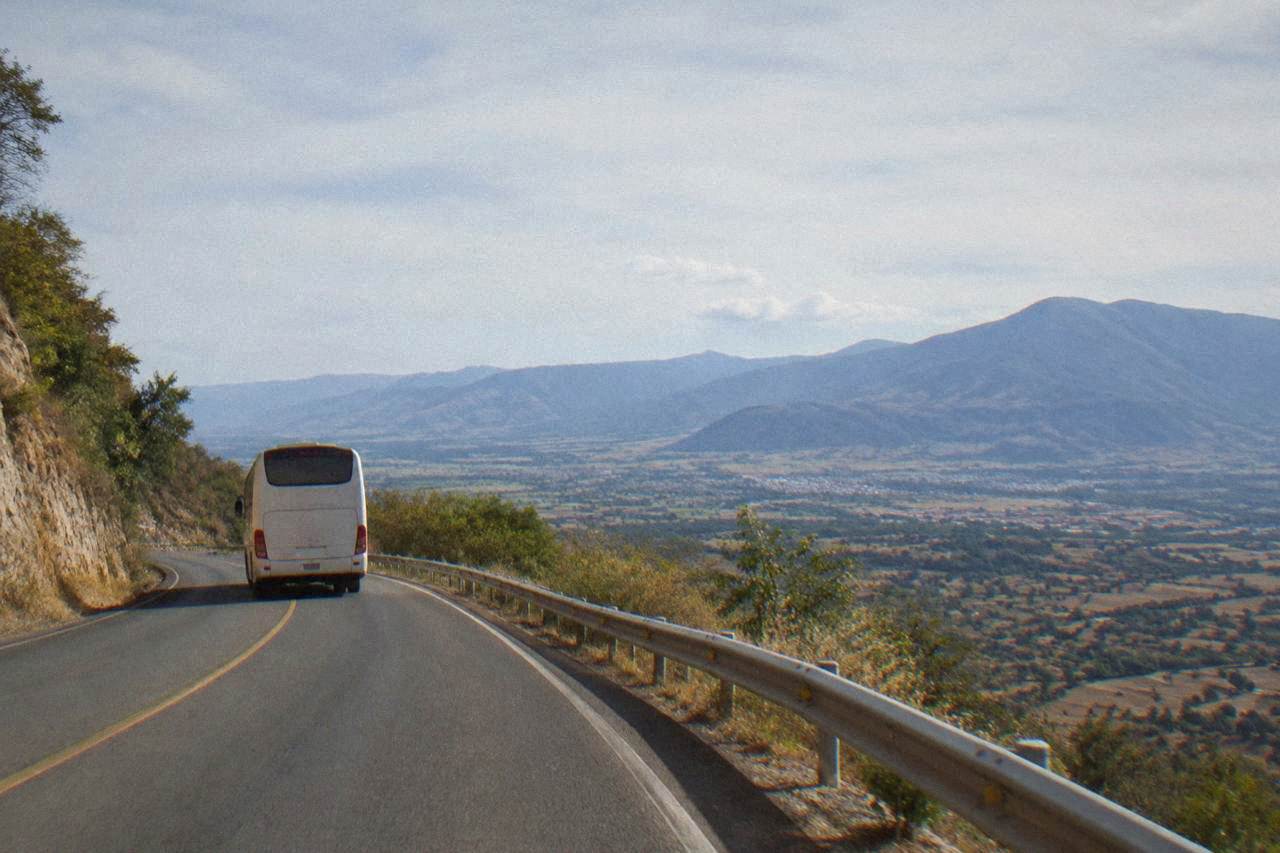
The bus ride from Puerto Escondido on the Pacific coast up to Oaxaca City crosses about 190 km of mountain highway. Here is what the route involves, how the drive time compares, and how to plan the trip.
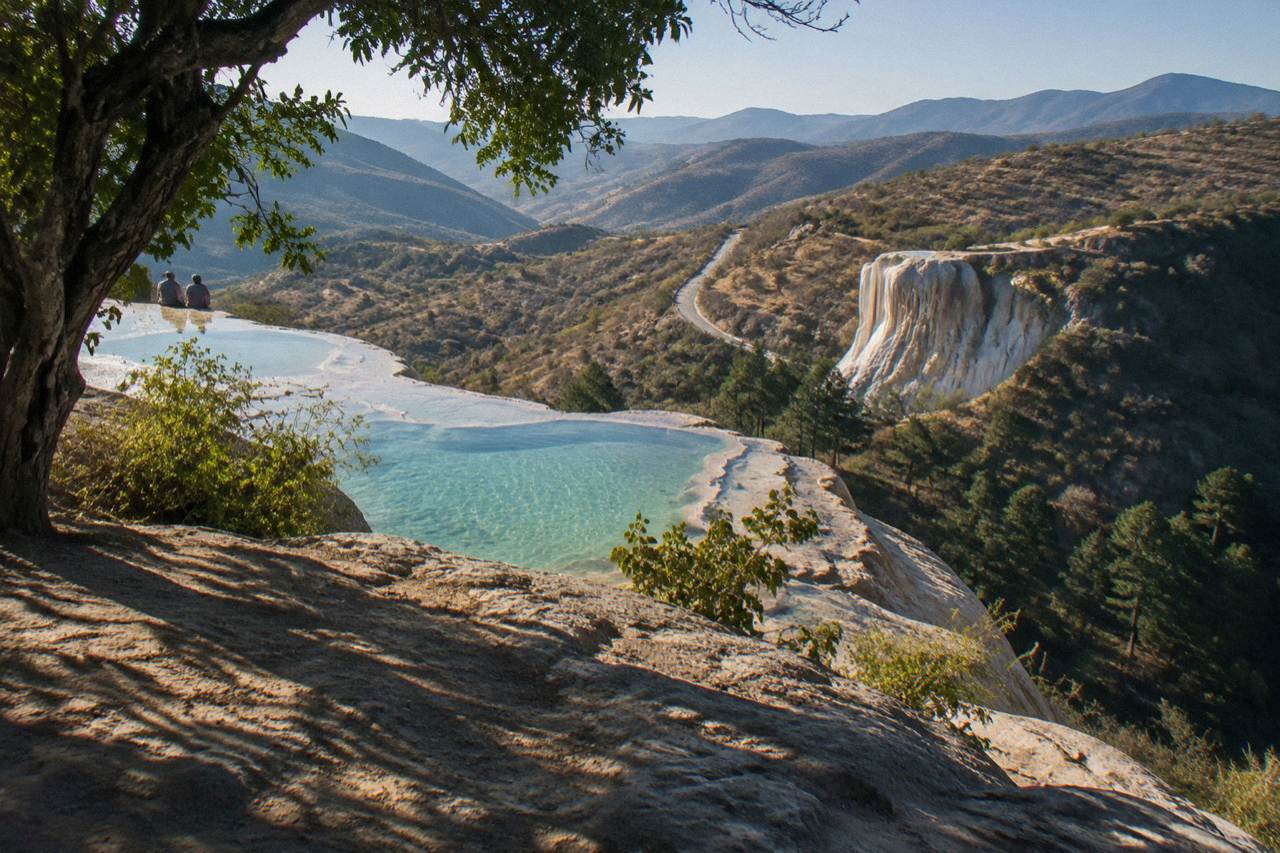
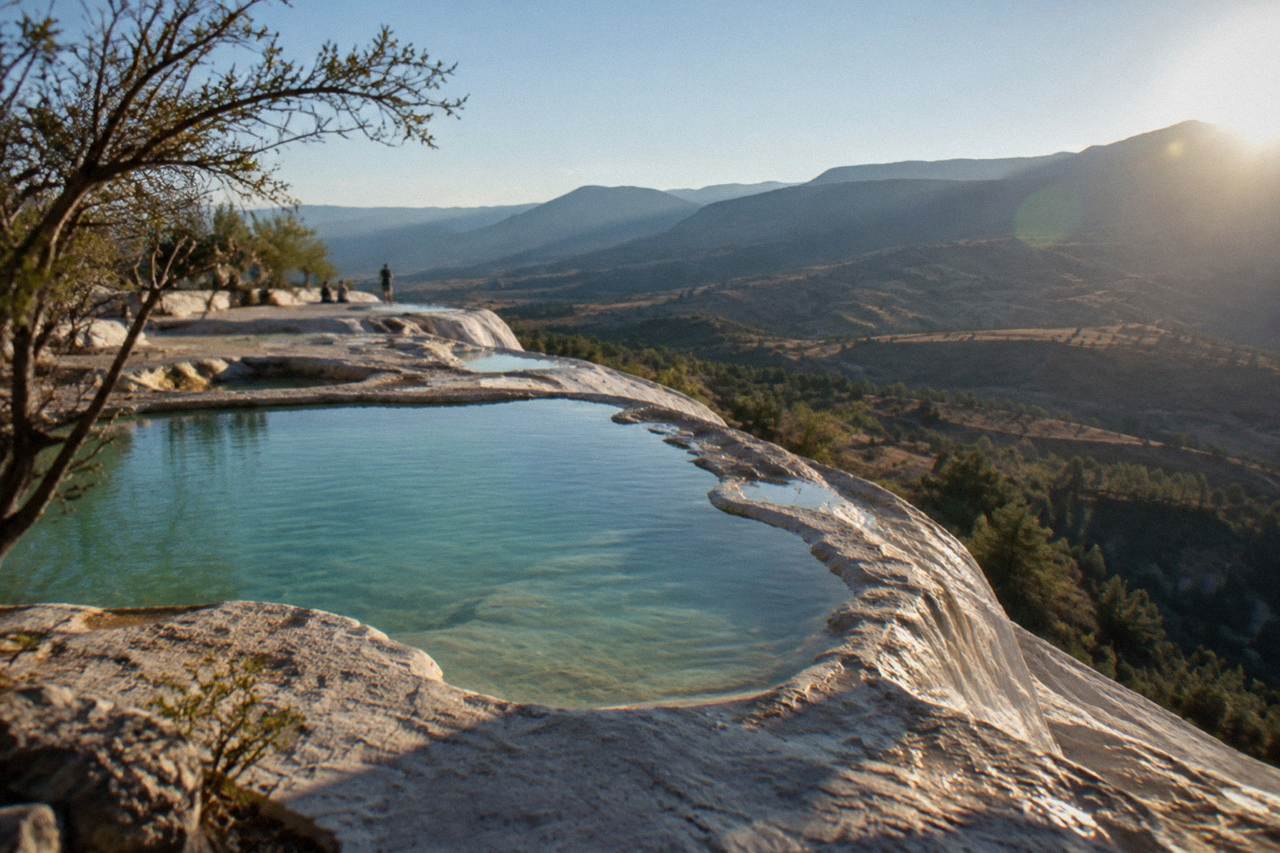
The drive from Oaxaca City to Hierve el Agua is about 67 km and about 57 minutes in free-flow conditions, with the mountain approach often taking longer. Here is the full route picture.
How many days you need in Oaxaca City, from a two-day centre visit to a week with the Valles Centrales, Monte Albán and Hierve el Agua.
What peso figures say about eating in Oaxaca City: INAH admission prices, the state lodging tax, market history, and the food tours whose live prices carry the real numbers.
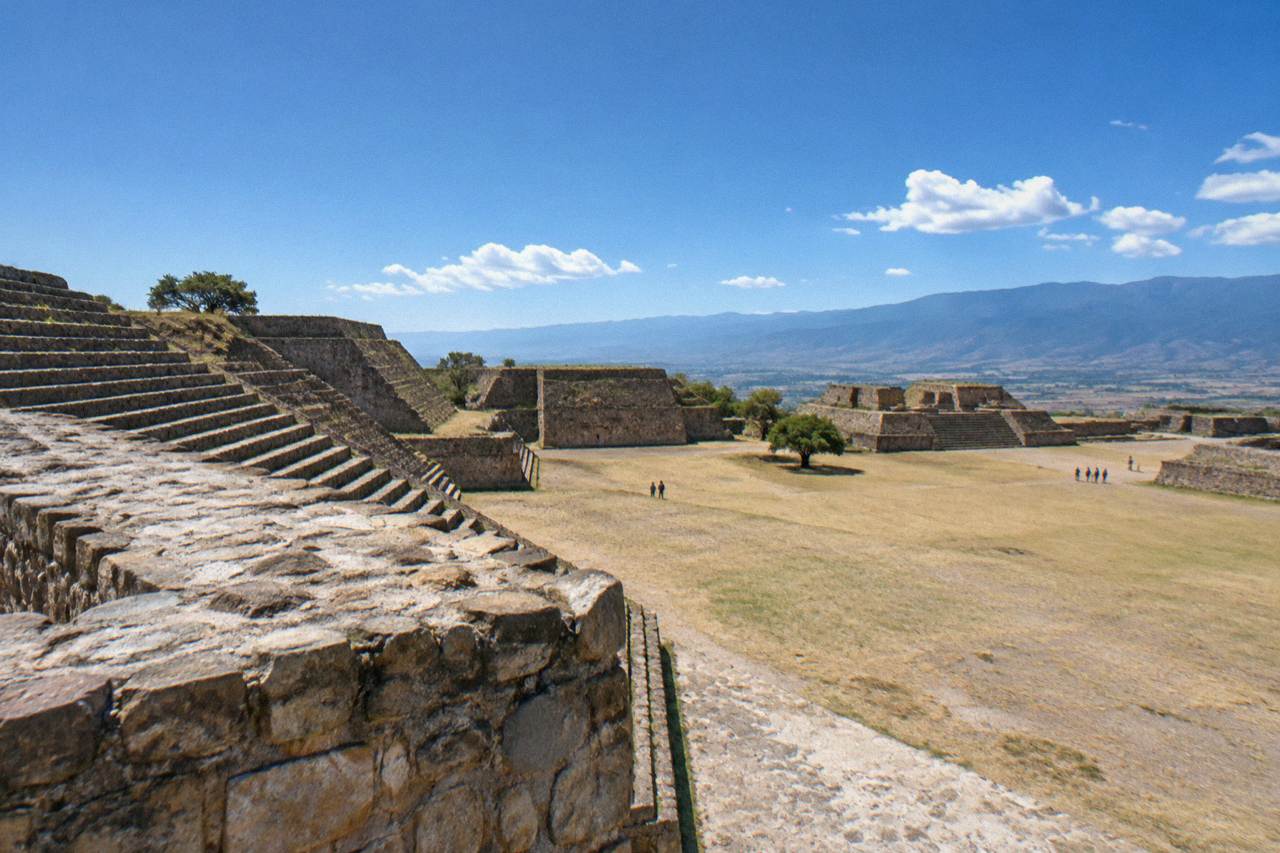
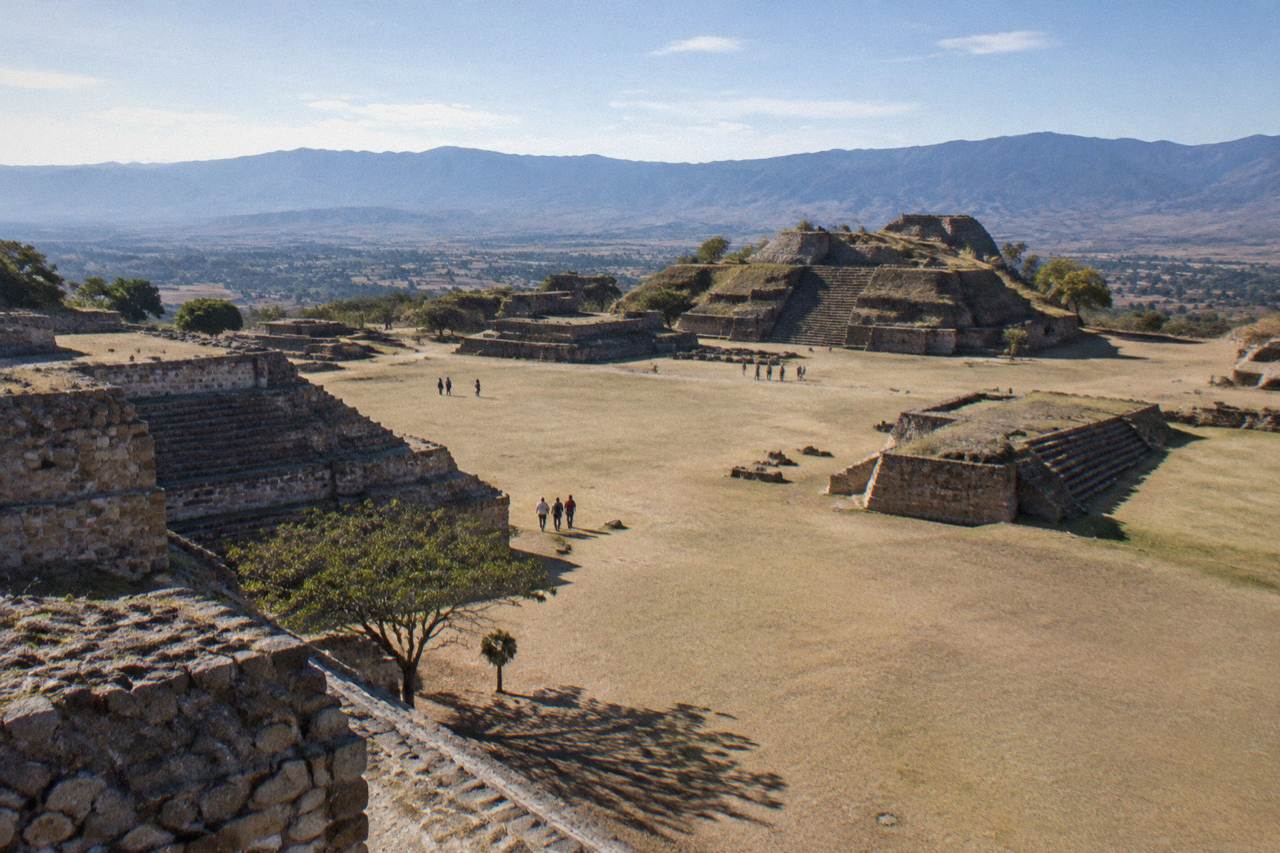
Monte Albán, the Zapotec archaeological site above Oaxaca City, charges 105 pesos for Mexican nationals and 210 pesos for foreign visitors. Here is what the INAH listing says about hours, tickets and tours.
How much English you will actually encounter in Oaxaca City: where it helps, where Spanish matters, and how English-language tours bridge the gap.
A straight answer on whether Hierve el Agua earns its long drive from Oaxaca City, with distances, seasons, tour options and what to combine it with.
Flight or ADO bus to Oaxaca City? A sourced comparison of routes, airport facts, drive times, climate and cost logic for reaching the Valles Centrales.
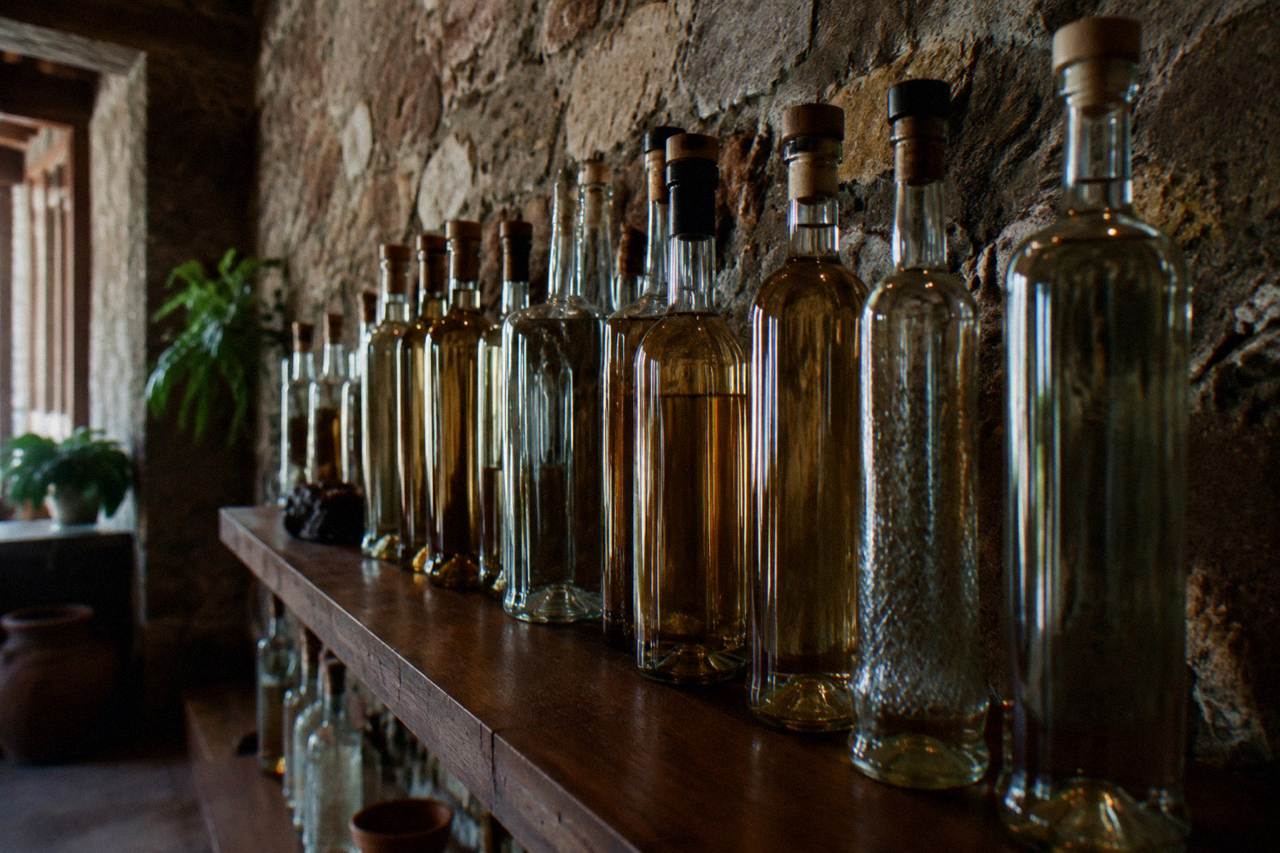
No, mezcal is not the poor man's tequila, and in Oaxaca City it never really was. What the nickname gets wrong, where mezcal comes from, and how to taste it in Oaxaca.
Is Monte Albán worth it? A sourced answer for Oaxaca City visitors: ticket prices, hours, 2025 visitor numbers, the two INAH fee categories, and how the site compares with Mitla and Yagul.
Oaxaca is both: a Mexican state of 4,132,148 people and its inland capital city, Oaxaca de Juárez. This page separates the two clearly for trip planning.
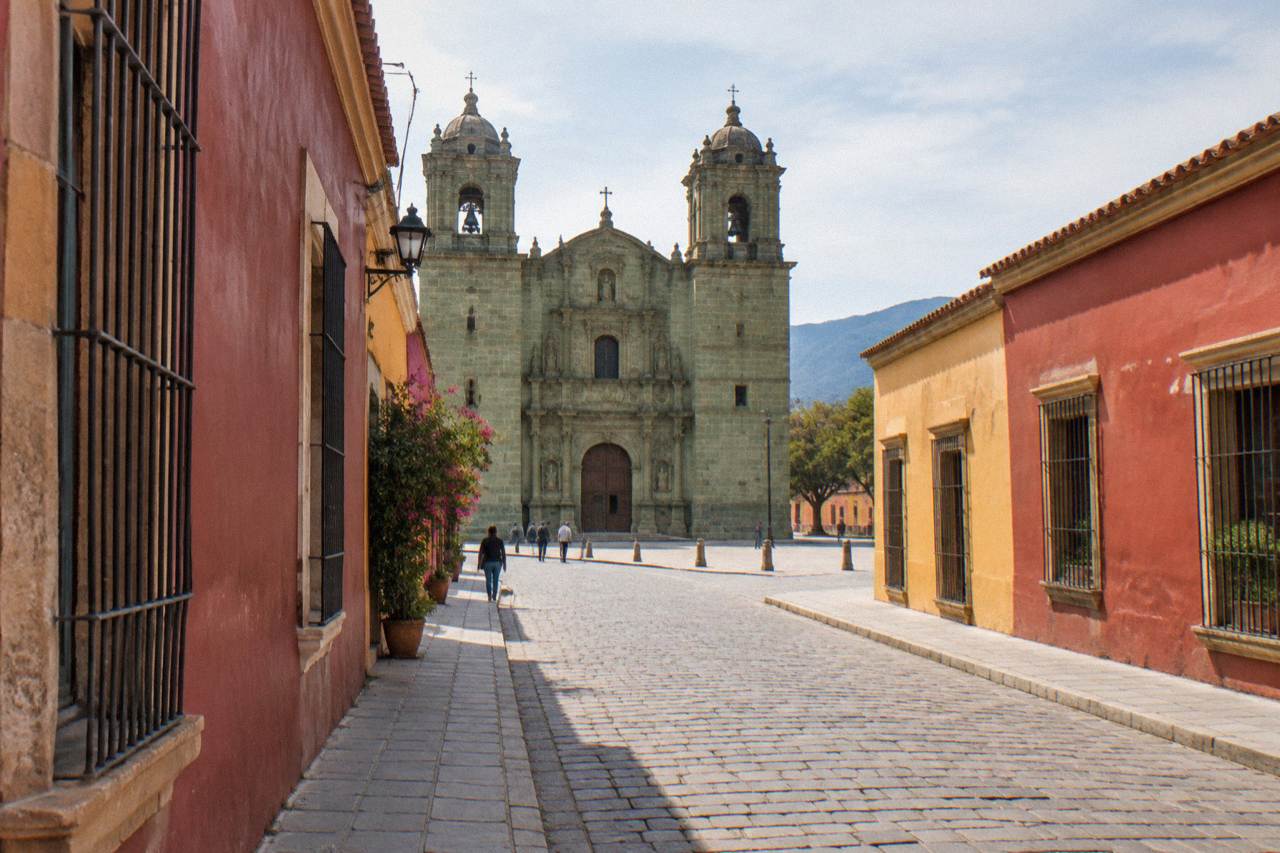
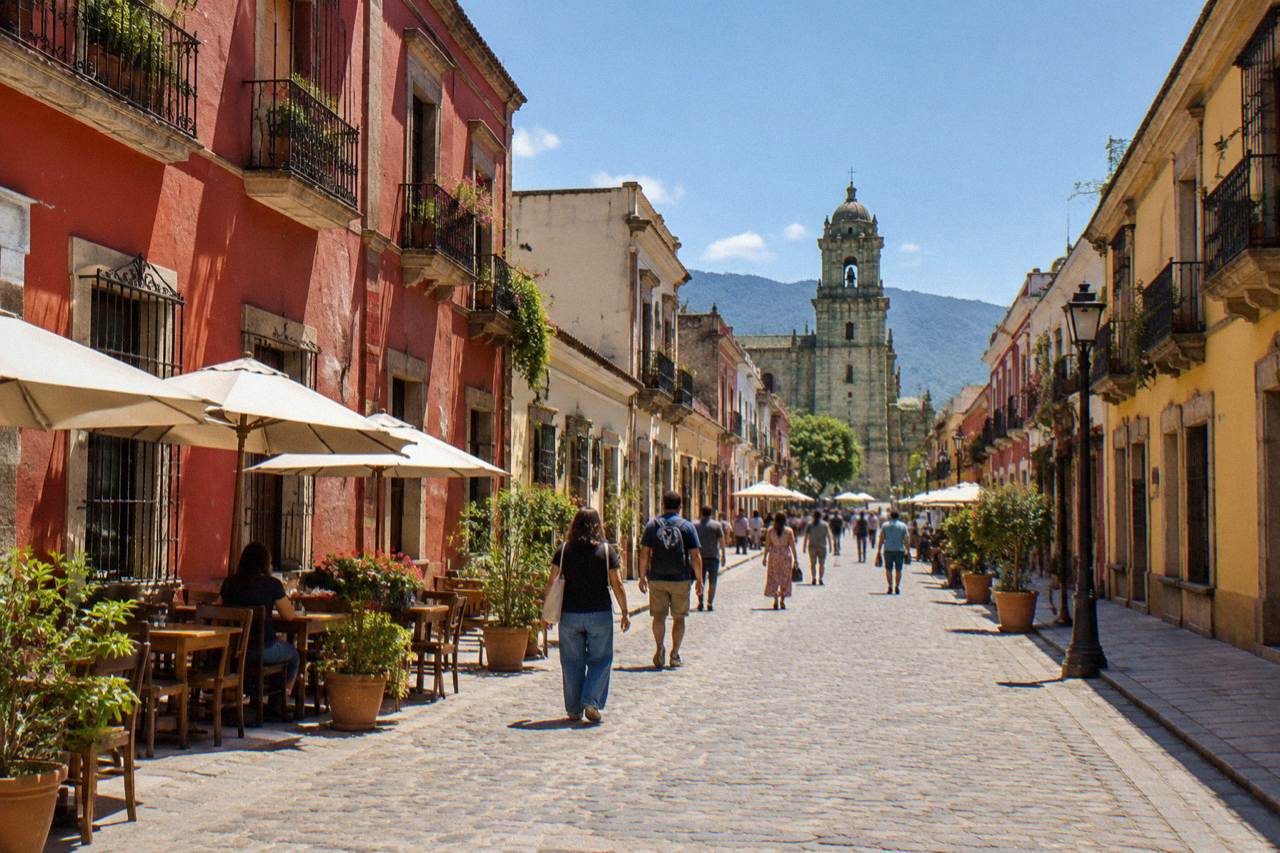
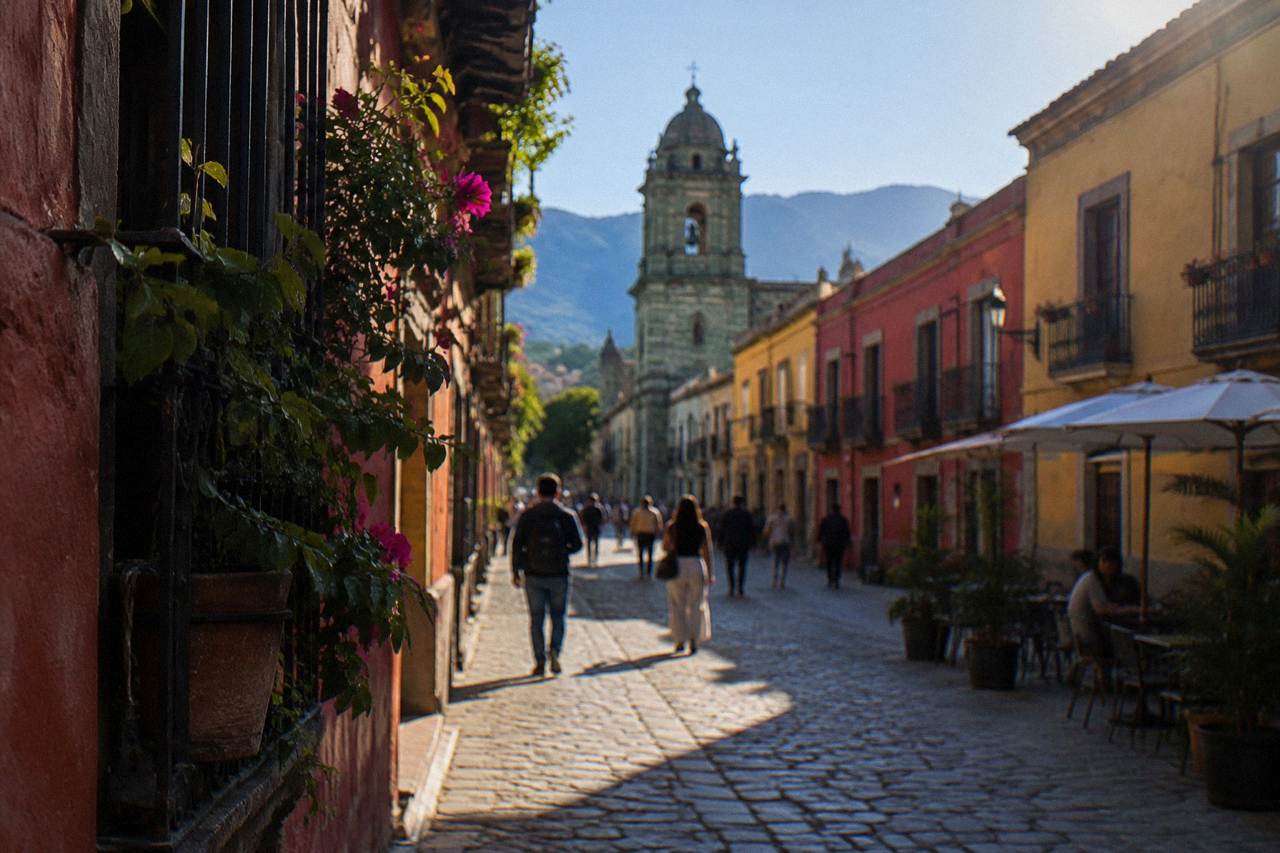
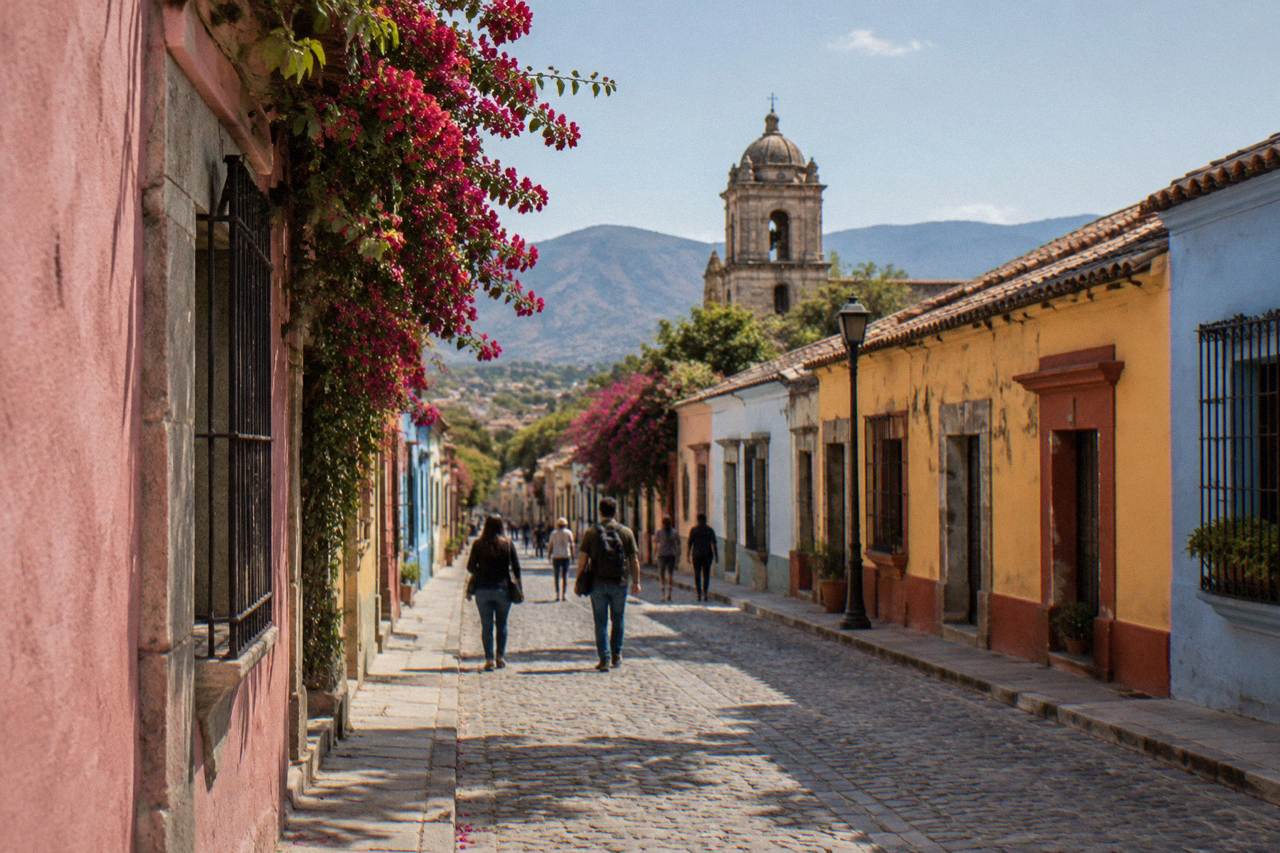
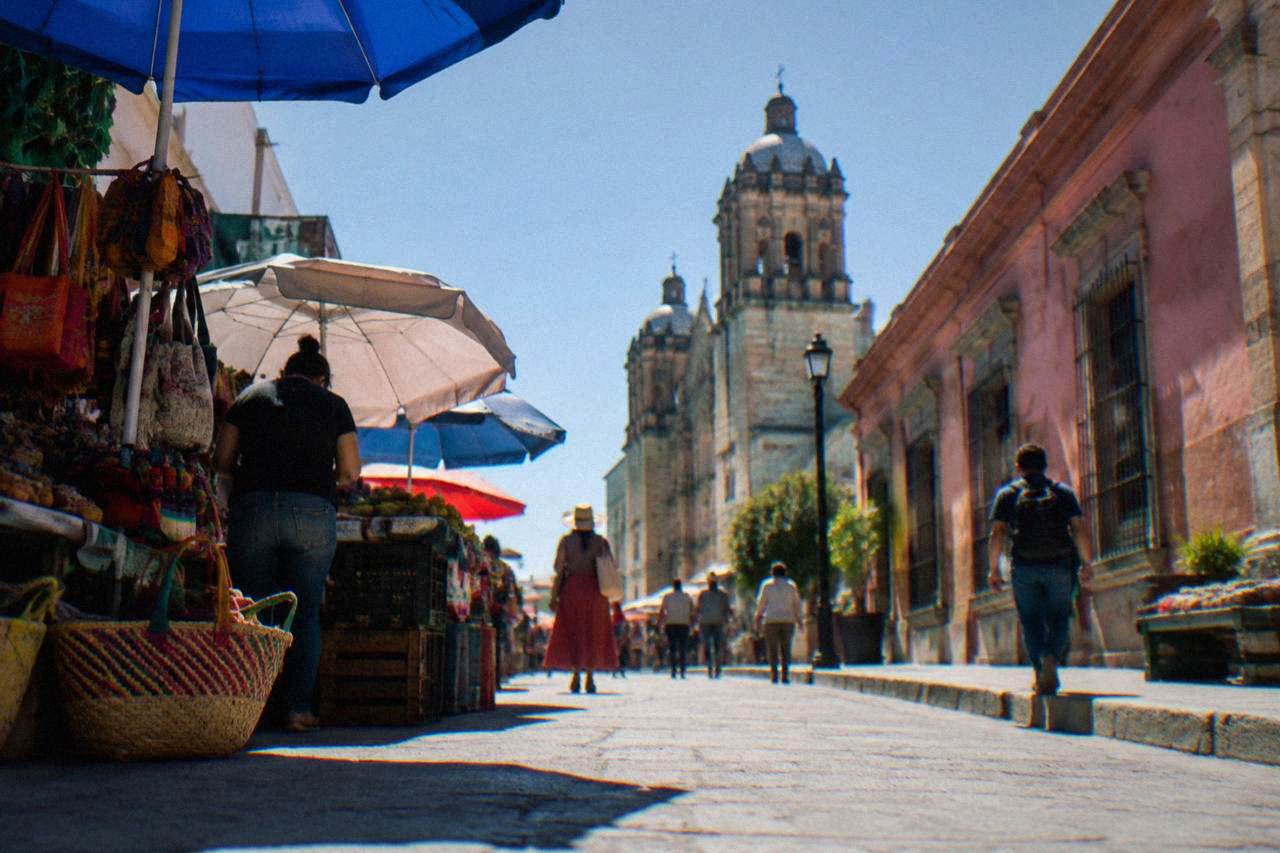
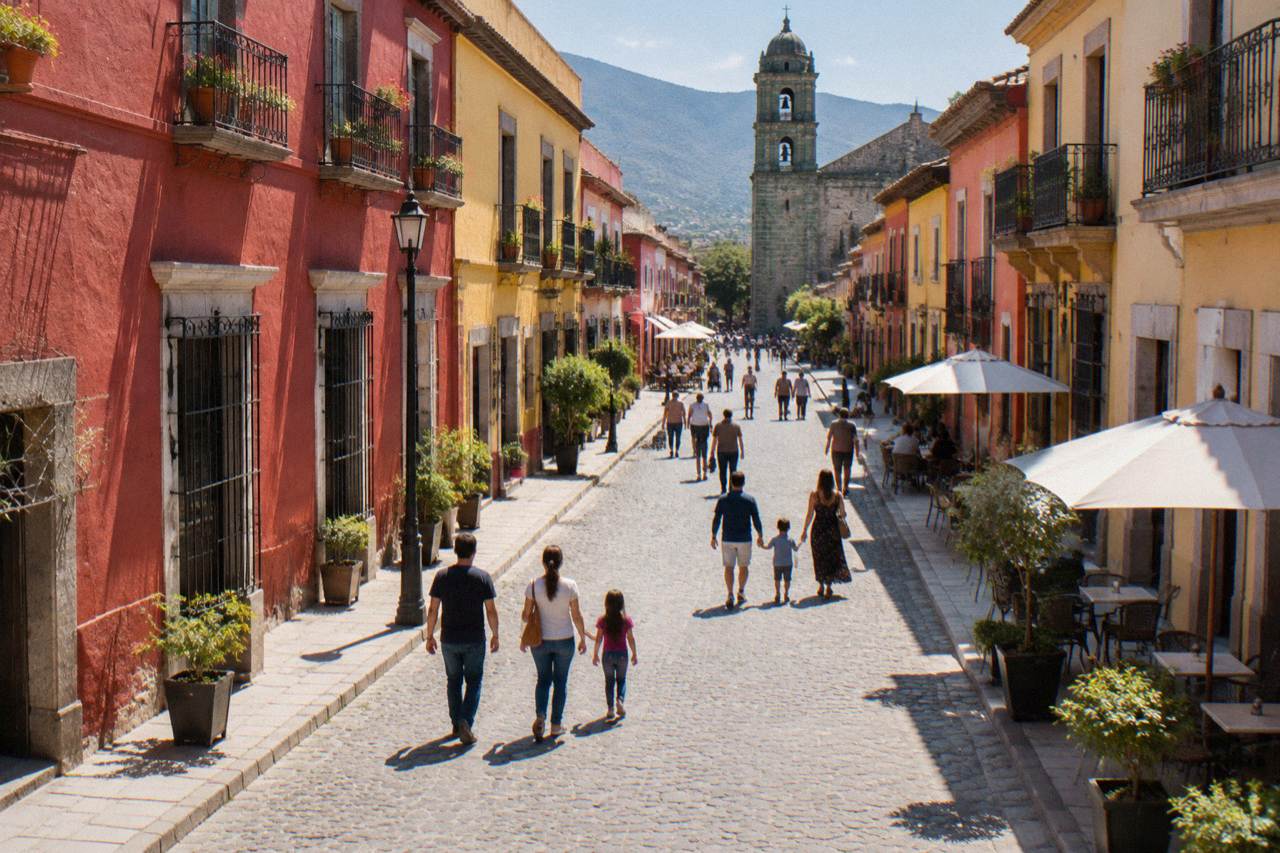
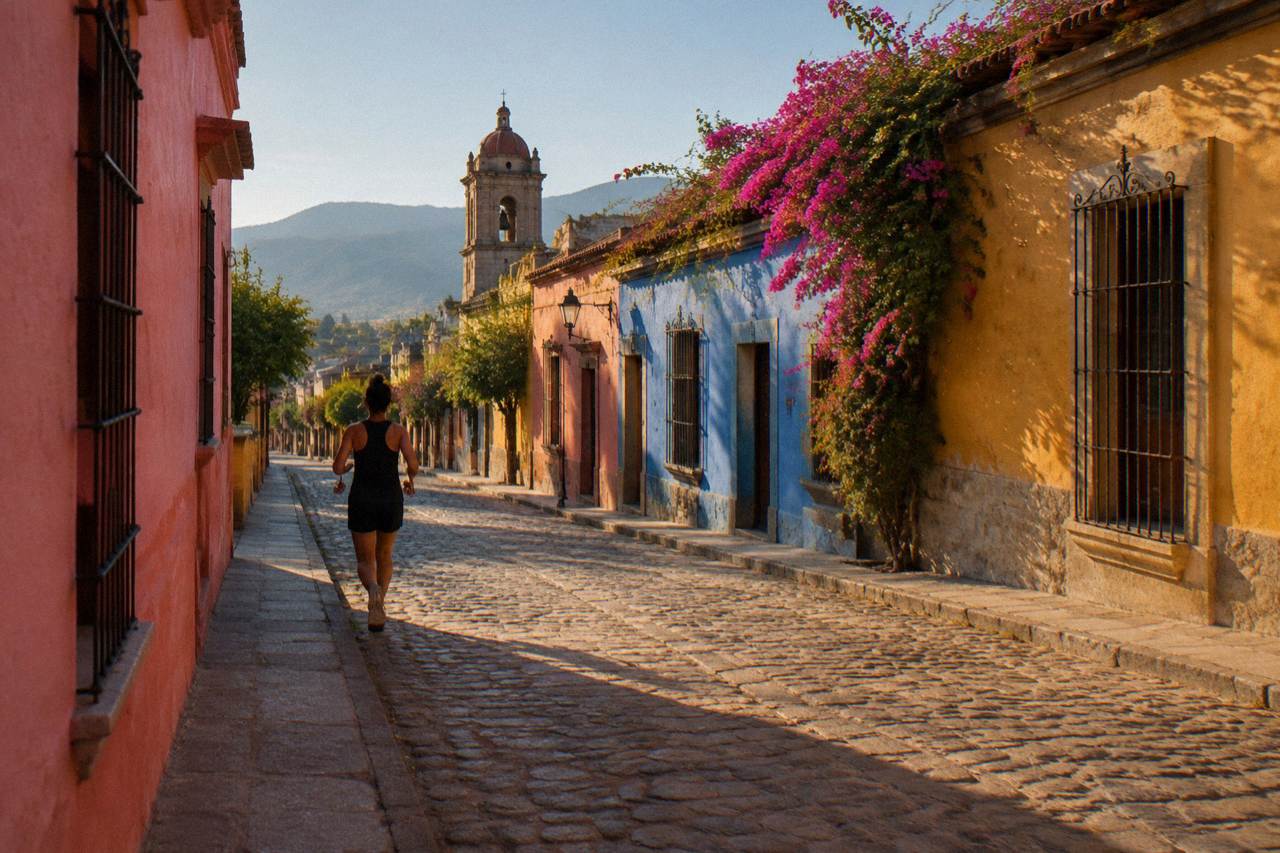
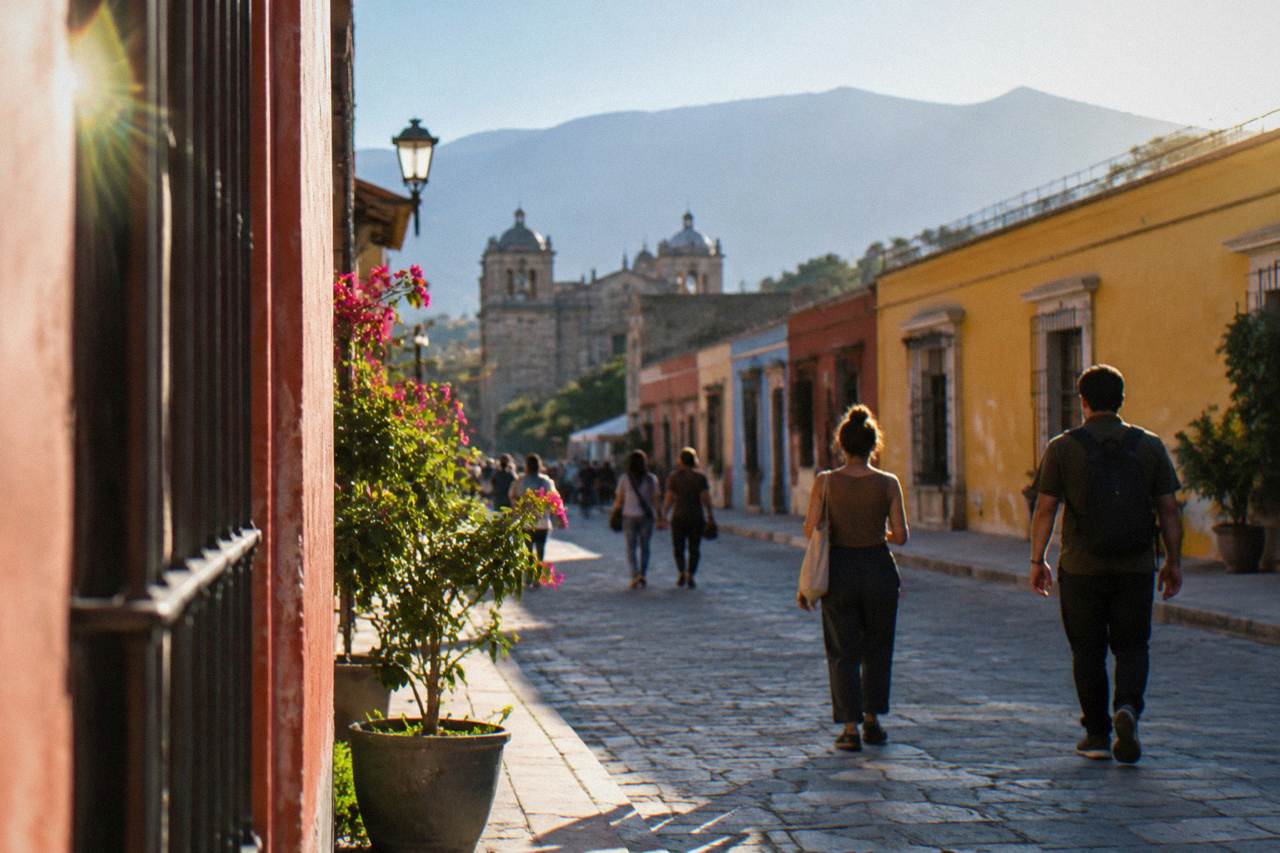
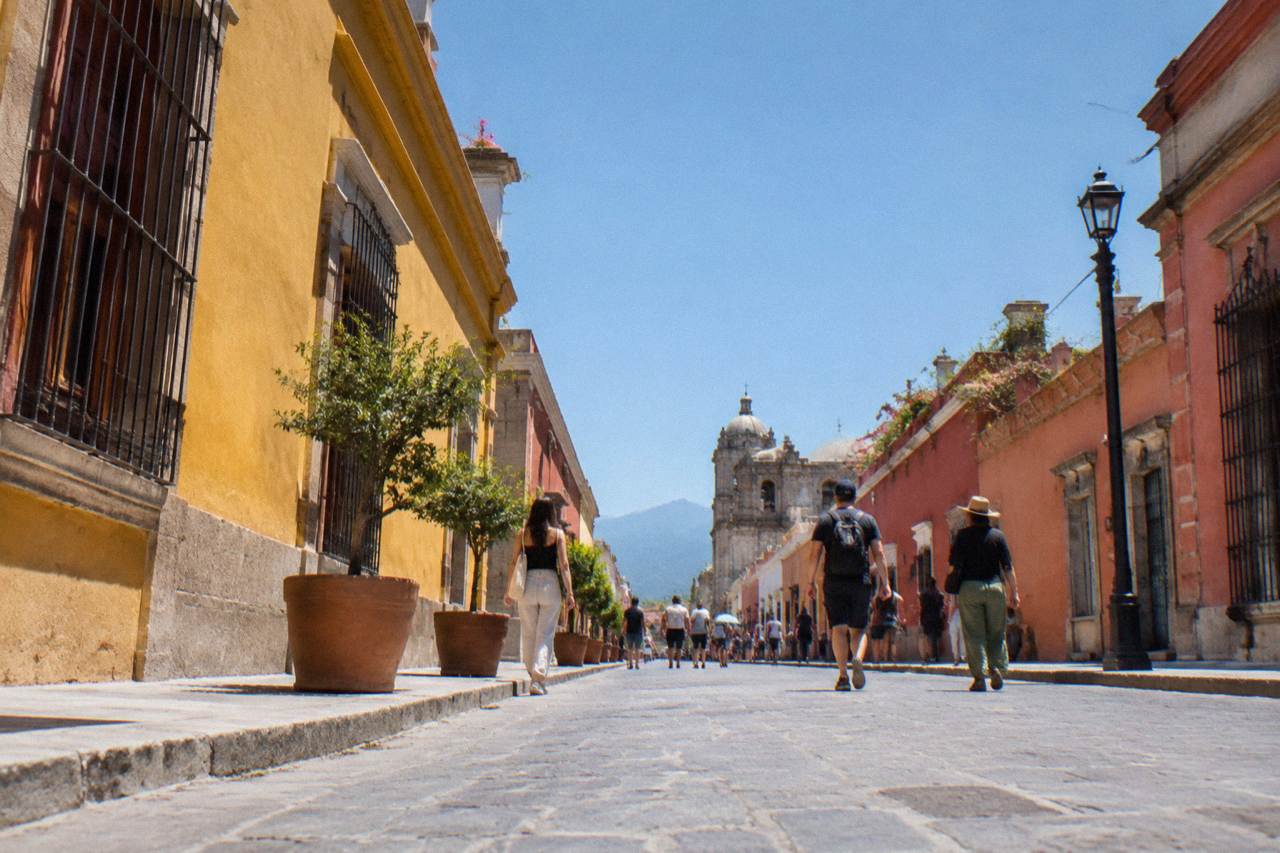
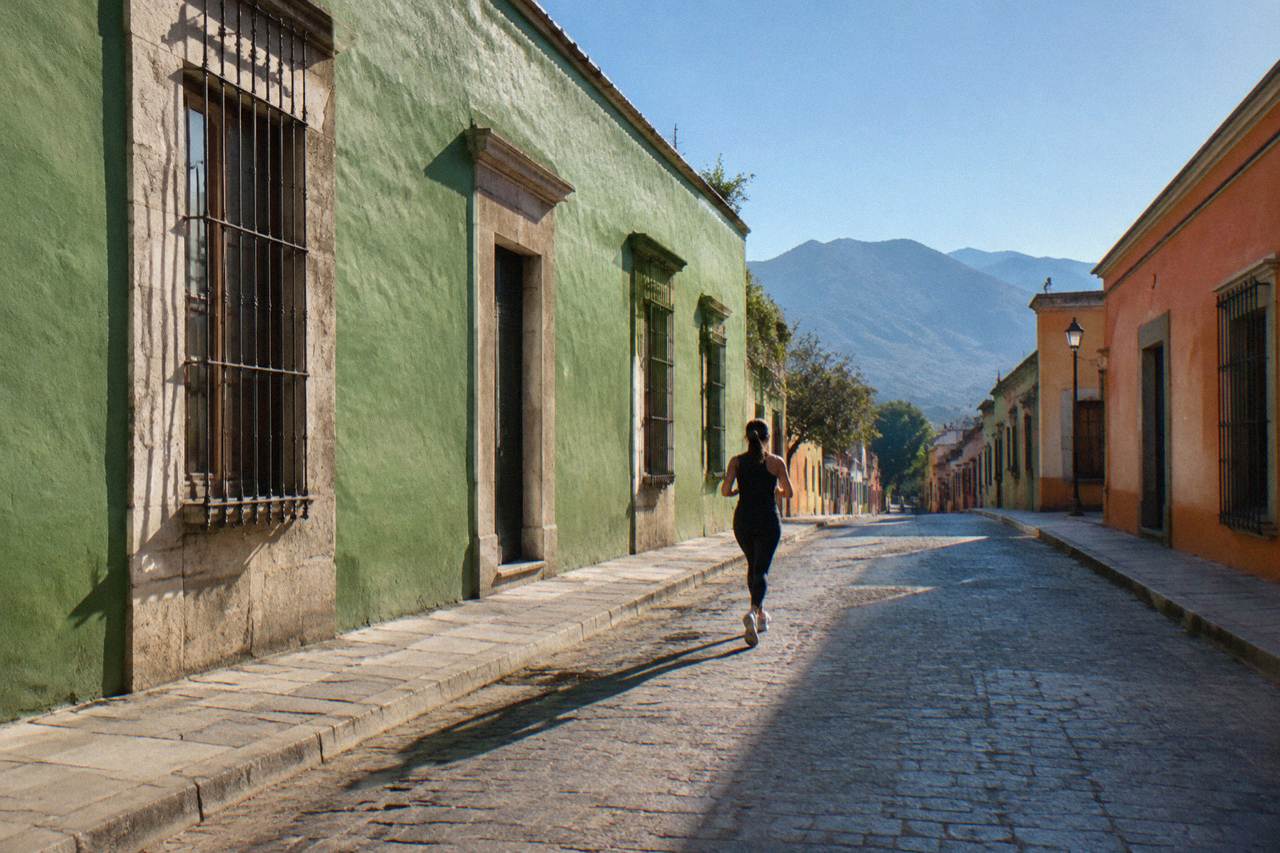
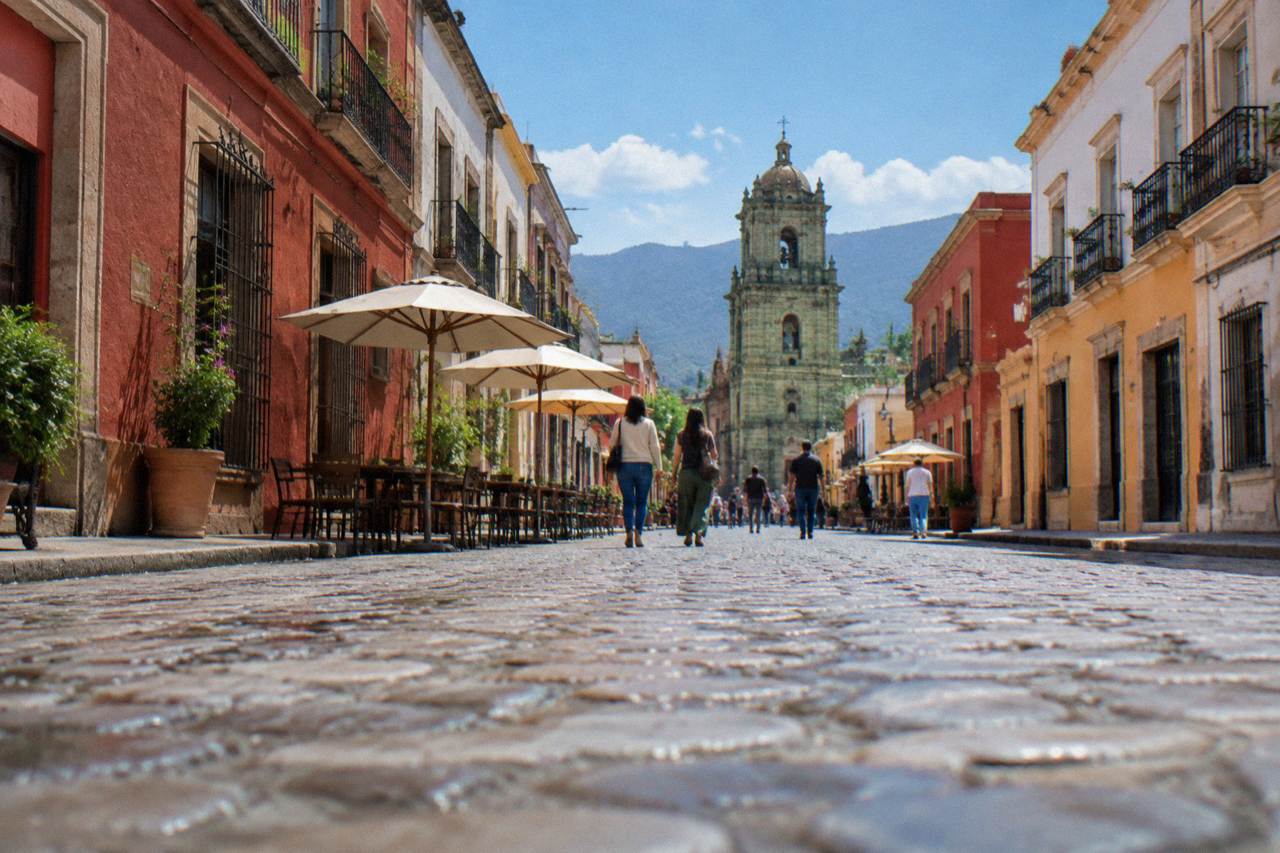
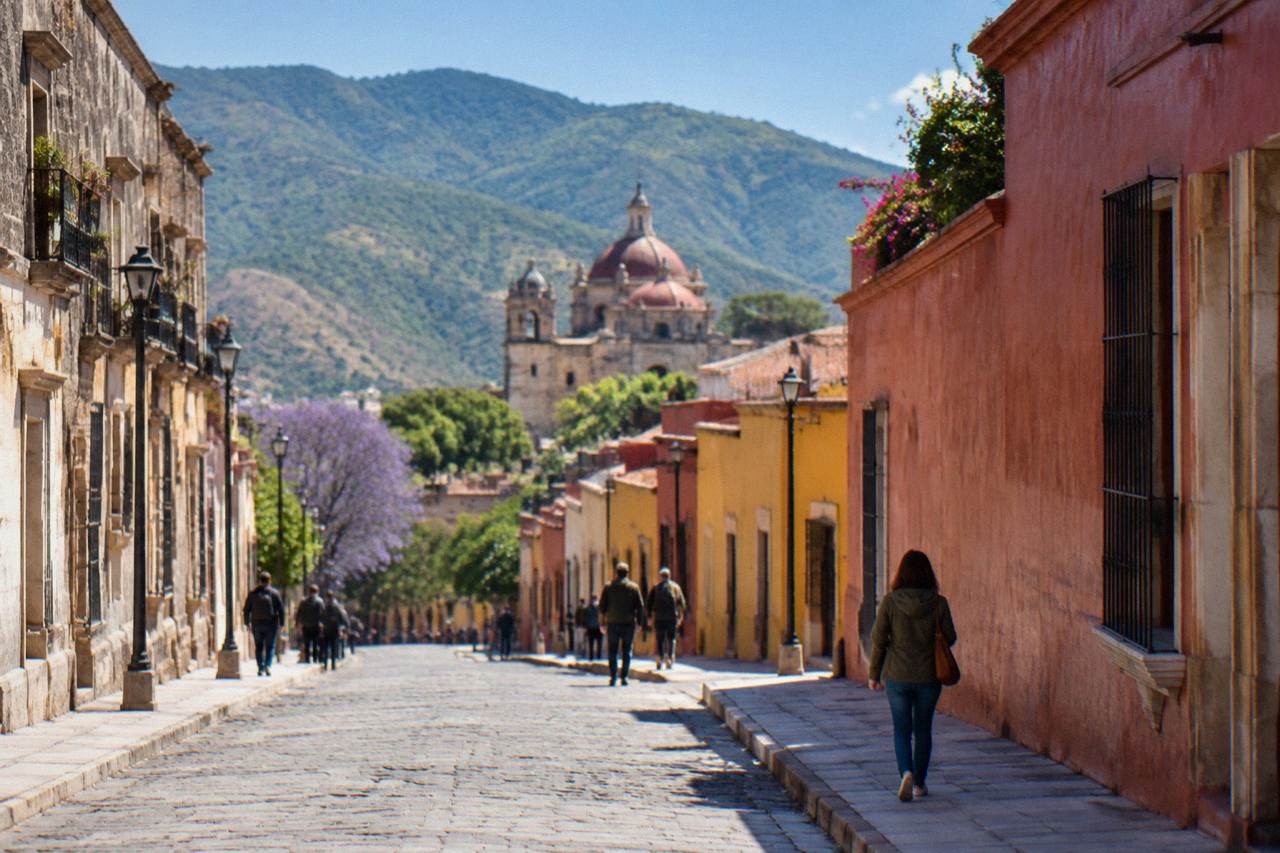
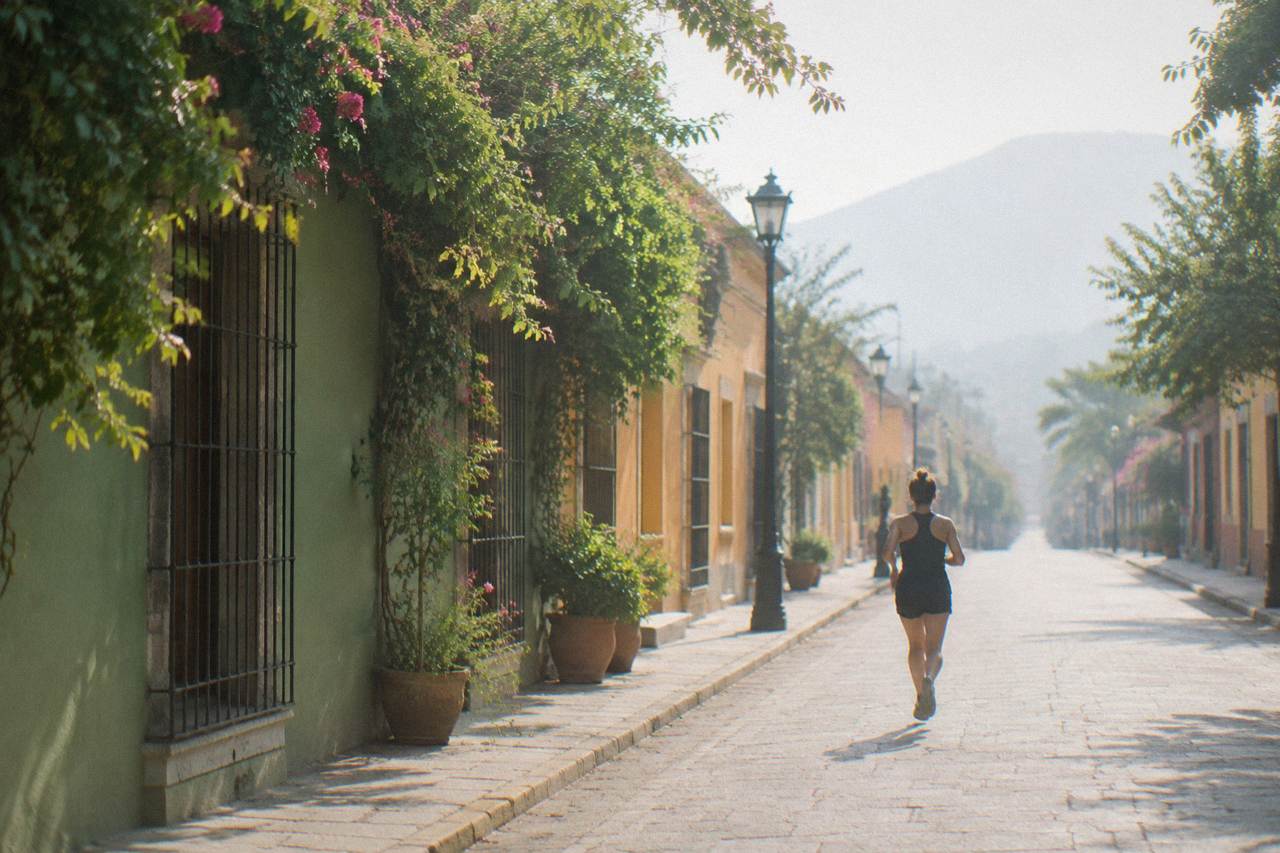
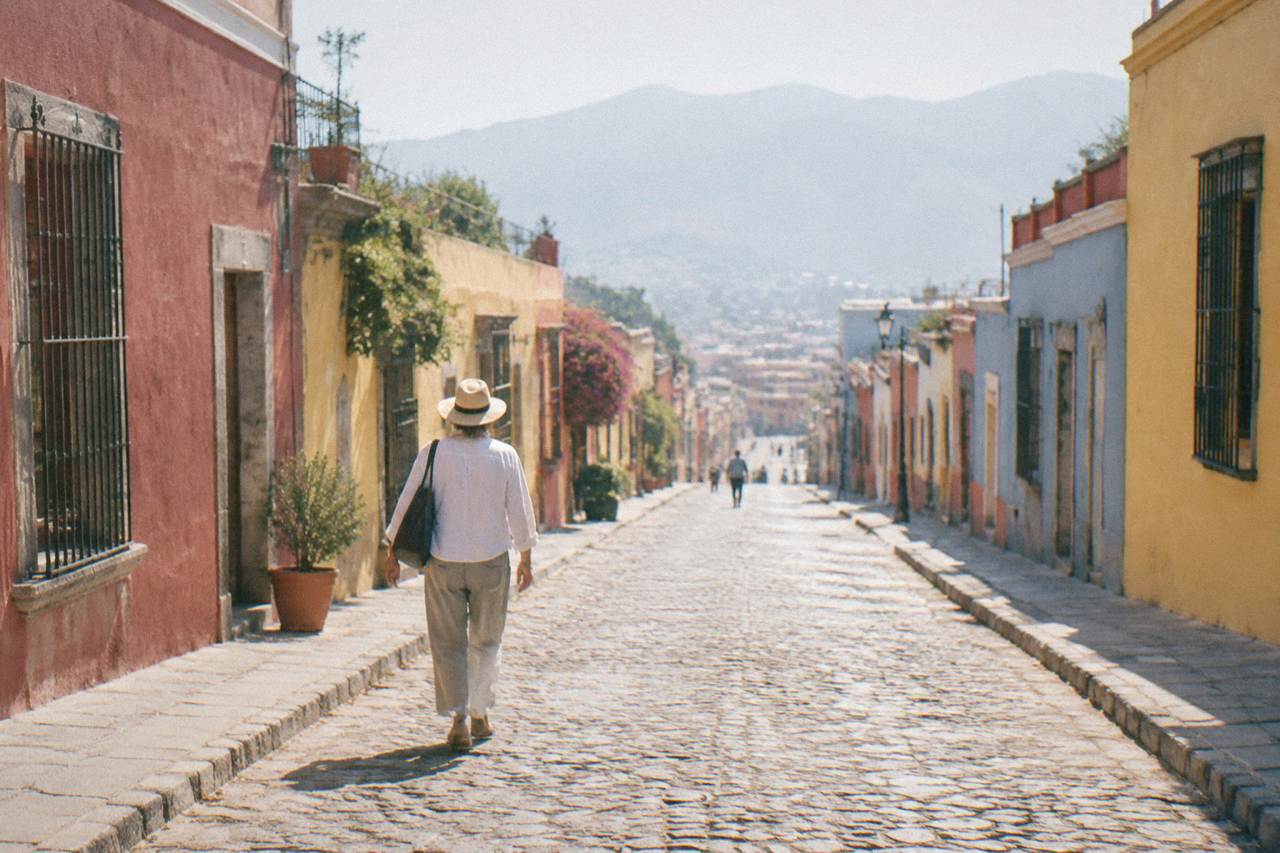
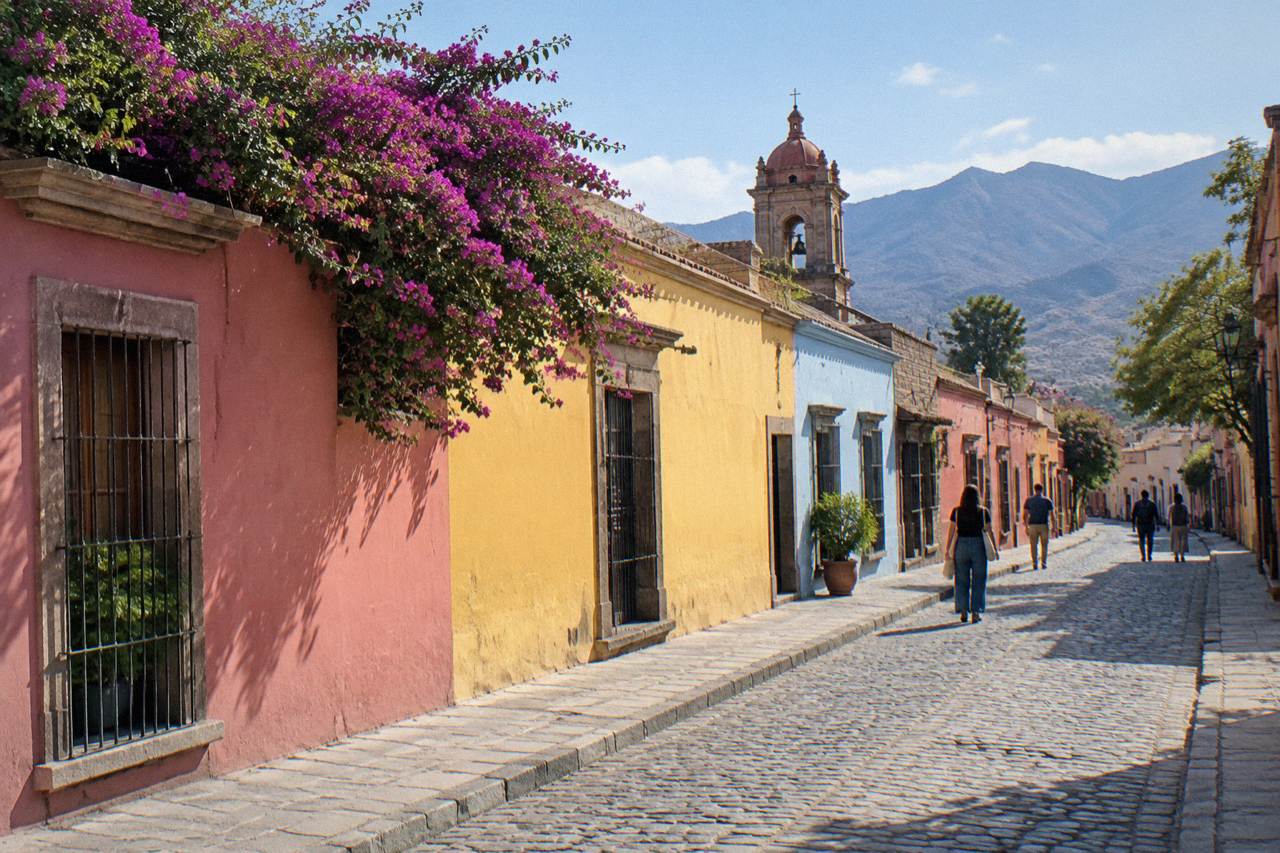
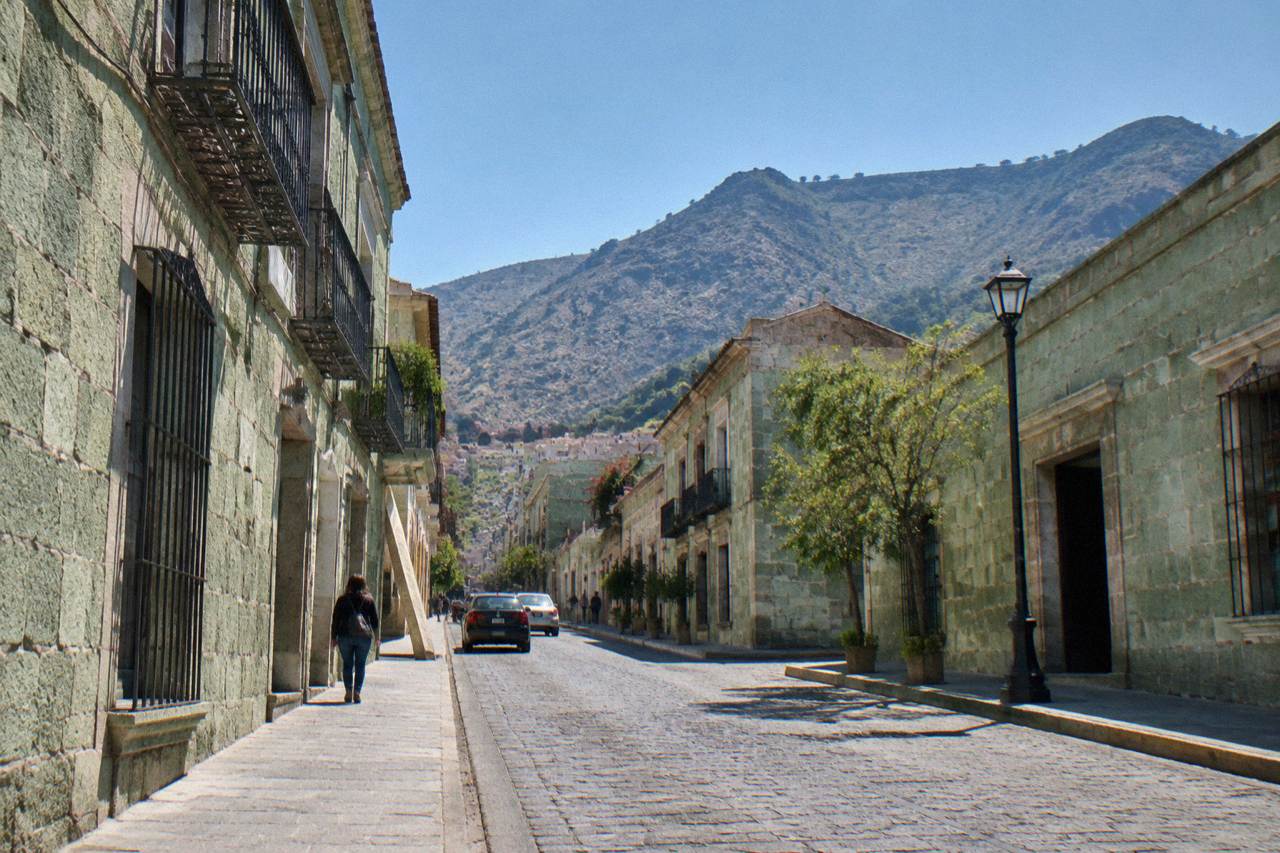
Is Oaxaca a walkable city? A sourced answer for Oaxaca City in Mexico: the compact Centro Histórico, the hills, cobblestones, and where walking stops being the answer.
What government advisories actually say about cartels and crime in Oaxaca City and the wider state, and how the official wording compares with Mexico City and other destinations.
Is Oaxaca expensive? A sourced cost breakdown for Oaxaca City in Mexico: INAH admission prices in pesos, the state lodging tax, festival tickets and where the money goes on a trip.
Oaxaca City works well for families: walkable, affordable in pesos, rich in markets, ruins and craft workshops. Here is what parents should know before booking.
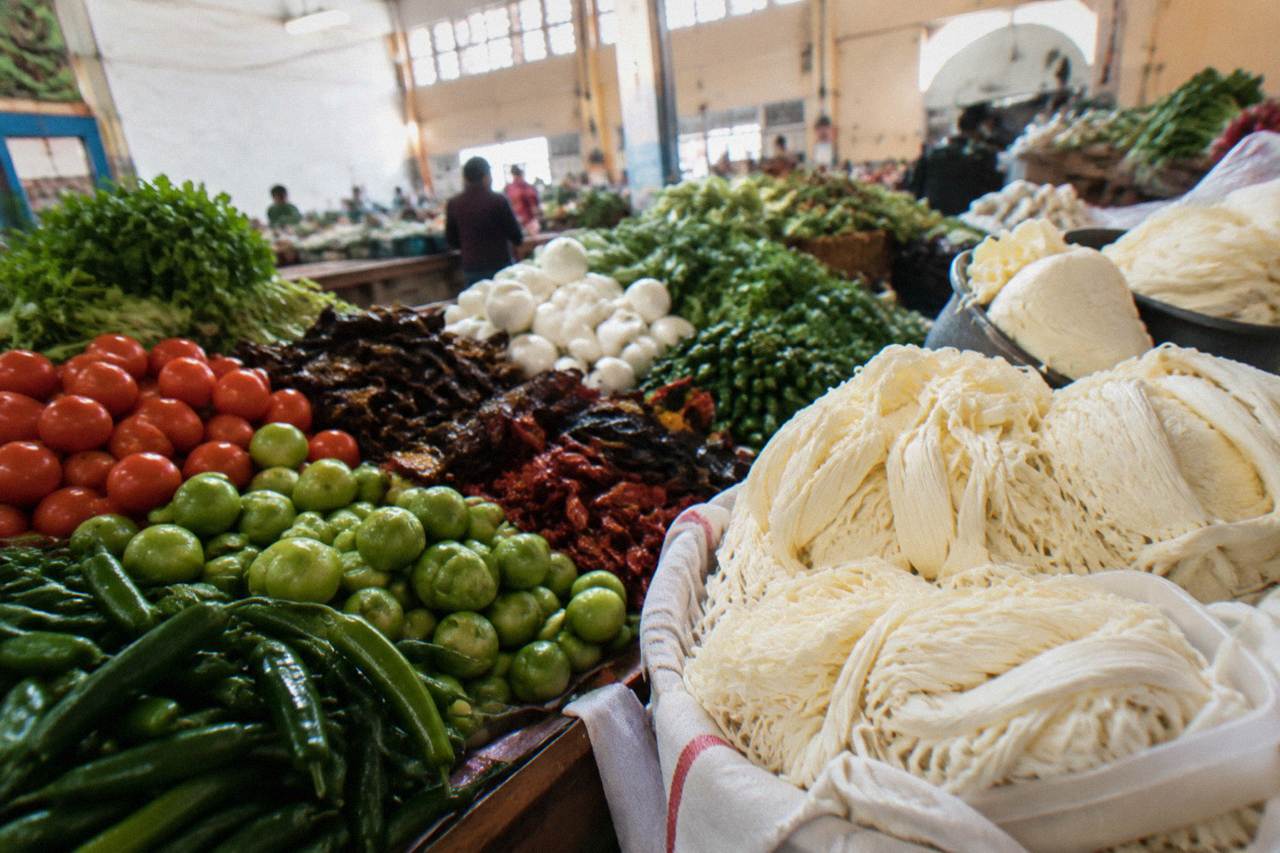
Oaxaca City is one of Mexico's most workable destinations for vegetarians: markets full of corn, cheese, chiles and vegetables, dedicated vegetarian cooking classes, and mezcal tastings that need no meat at all.
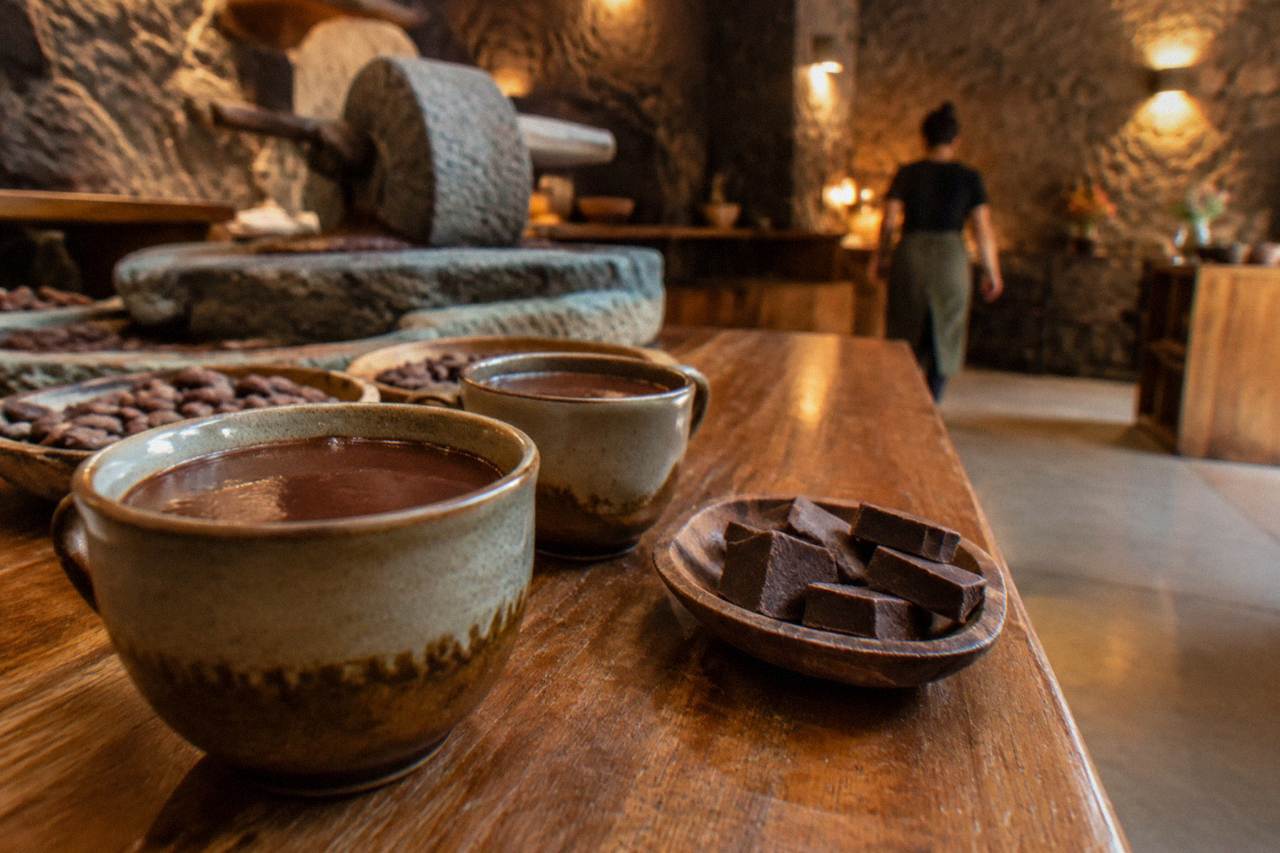
Yes, Oaxaca City is known for chocolate: how cacao, tejate and Oaxacan chocolate drinks fit into the city's food culture, and where to taste them.
A plain, sourced look at how LGBTQ visitors experience Oaxaca City: the legal backdrop, the neighbourhoods, the practical realities and what the advisory pages actually say.
Is Oaxaca City rich or poor? What official figures say about the city's economy, tourism income and living costs in Oaxaca de Juárez, Mexico.
What the US, UK and Canadian travel advisories actually say about Oaxaca, which parts of the state they flag, and what the everyday risks look like for American visitors.
Is Oaxaca safe to walk around at night? What the official advisories say, which streets stay busy after dark, and how to plan an evening in Oaxaca City.
Is Oaxaca worth visiting? A sourced look at what Oaxaca City in Mexico offers: arrivals data, UNESCO status, INAH sites, seasons, day trips and costs in pesos.
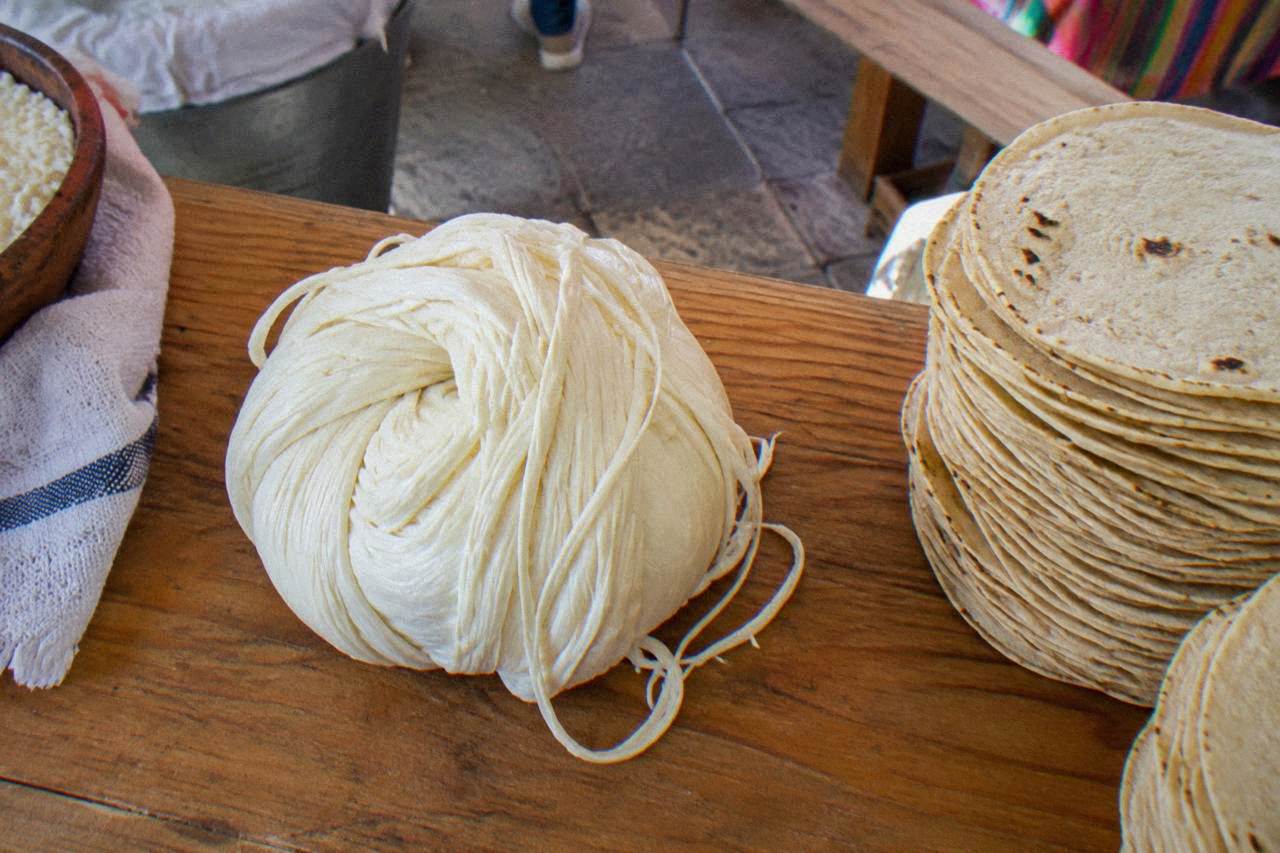
A clear answer on whether queso Oaxaca (quesillo) is vegetarian, how it is made, what to ask in Oaxaca City markets, and where vegetarians eat well in the city.
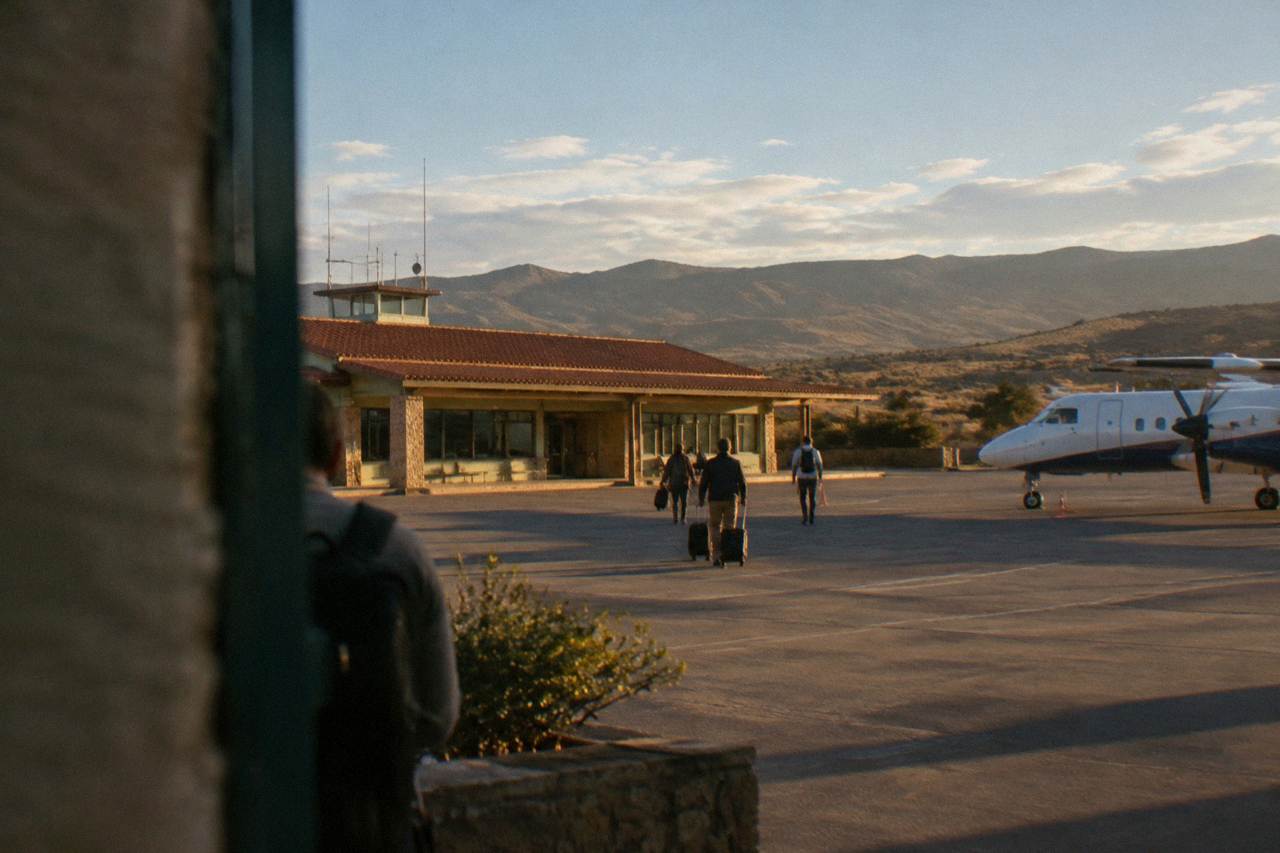
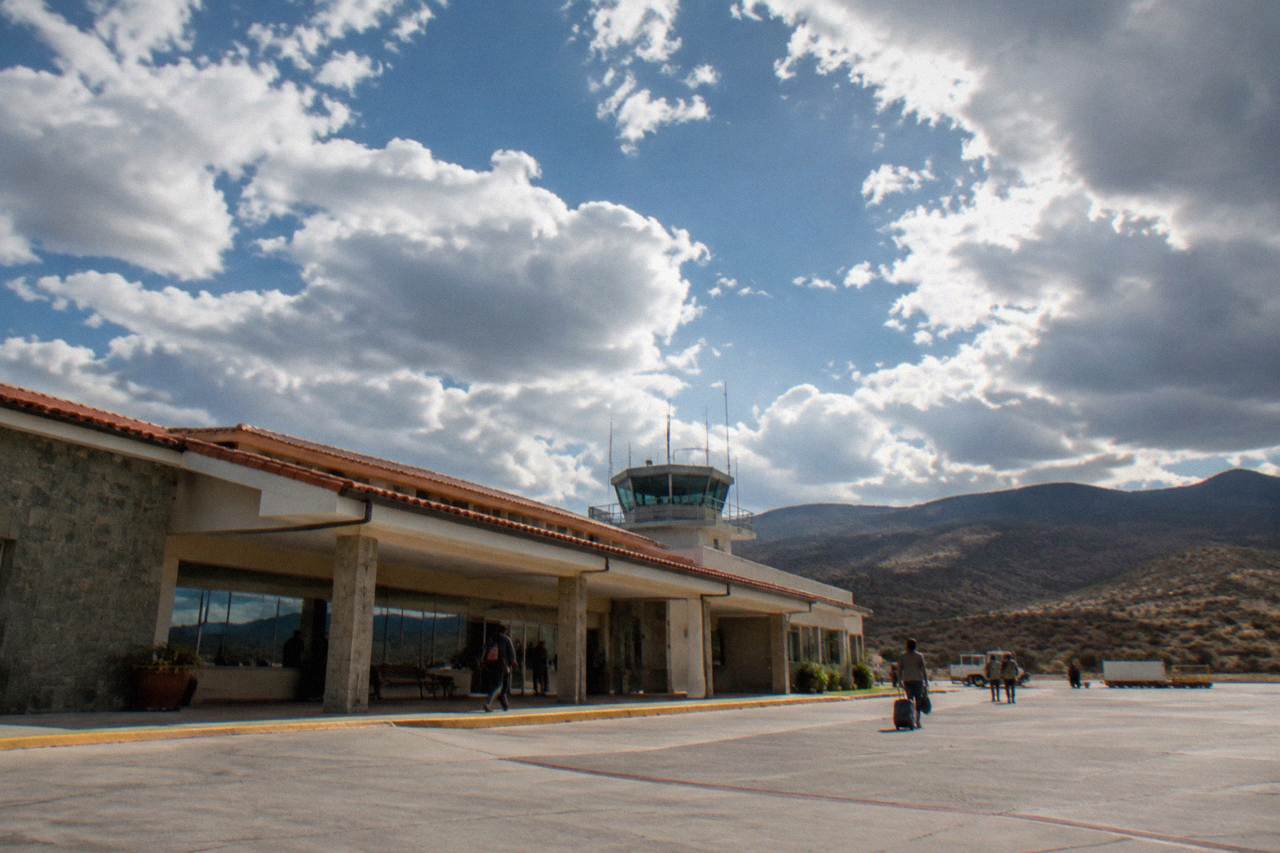
The airport for Oaxaca City is OAX, Aeropuerto Internacional de Oaxaca at Xoxocotlán, operated by ASUR. What to expect on arrival, routes, and how it compares with the bus.
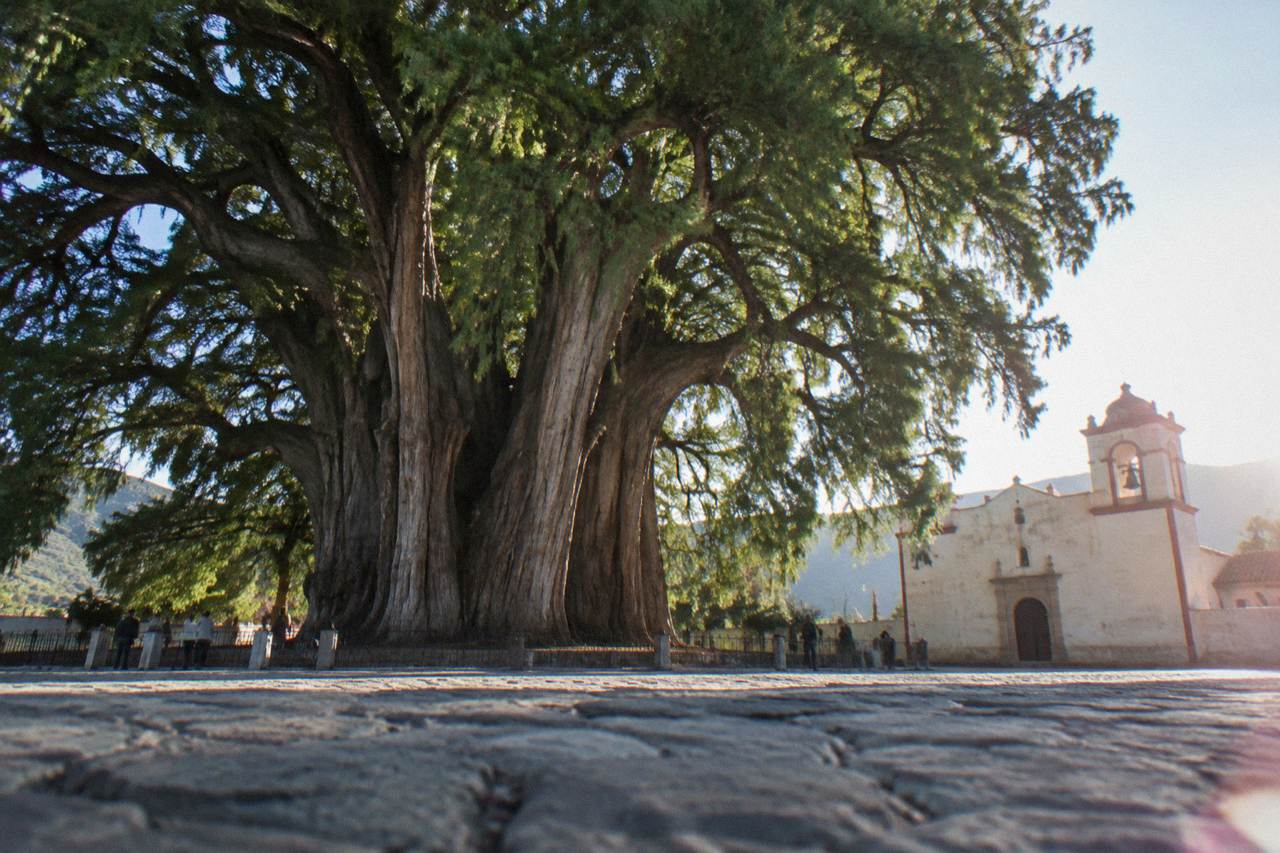
El Tule means the tule, a bulrush reed of marshy ground, a word that came into Spanish from Nahuatl. Here is what the name says about Santa María del Tule near Oaxaca City.
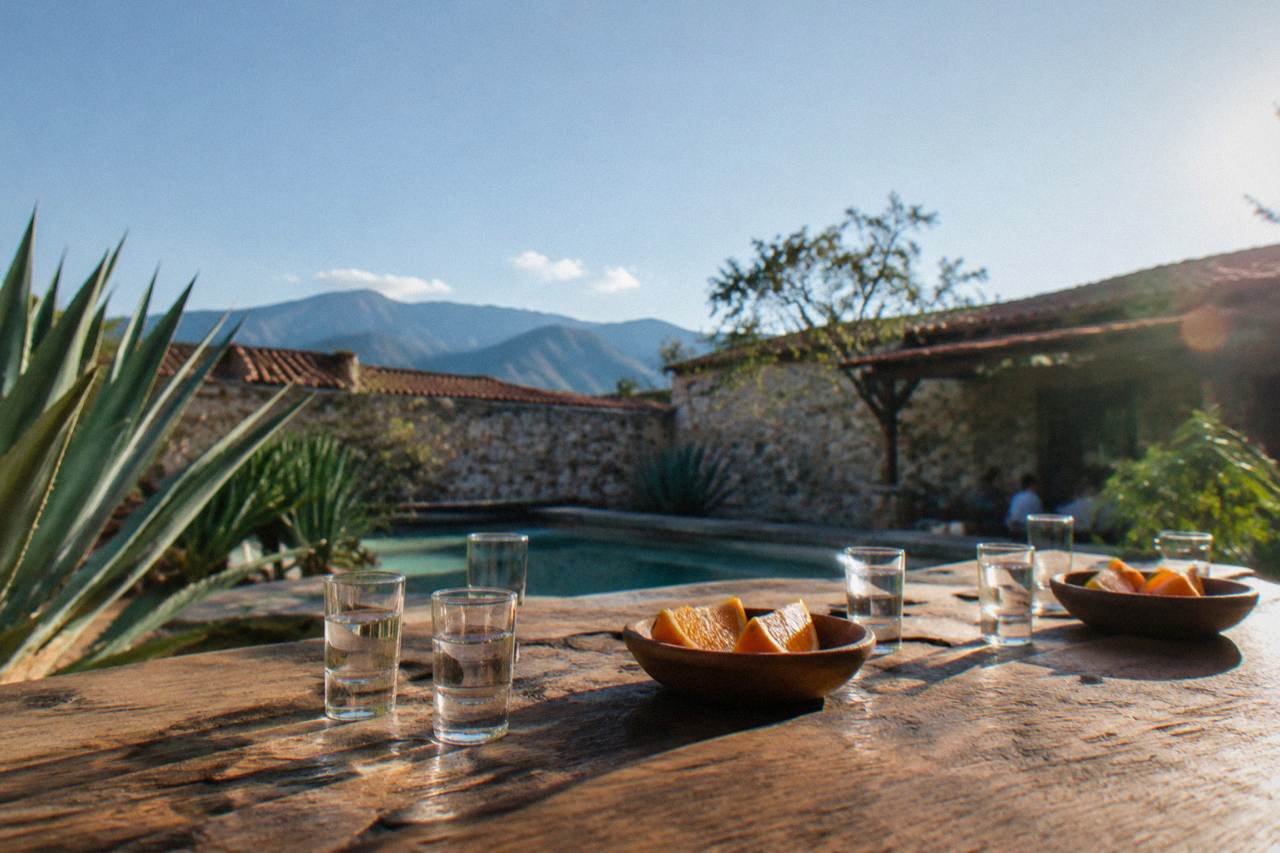
The drinks Oaxaca City is known for: mezcal above all, plus tejate and Oaxacan chocolate, with where to taste each and which guided tastings cover them.
The population of Oaxaca City and the state of Oaxaca in numbers, the communities of the Valles Centrales, and what official sources say about who lives in and visits the city.
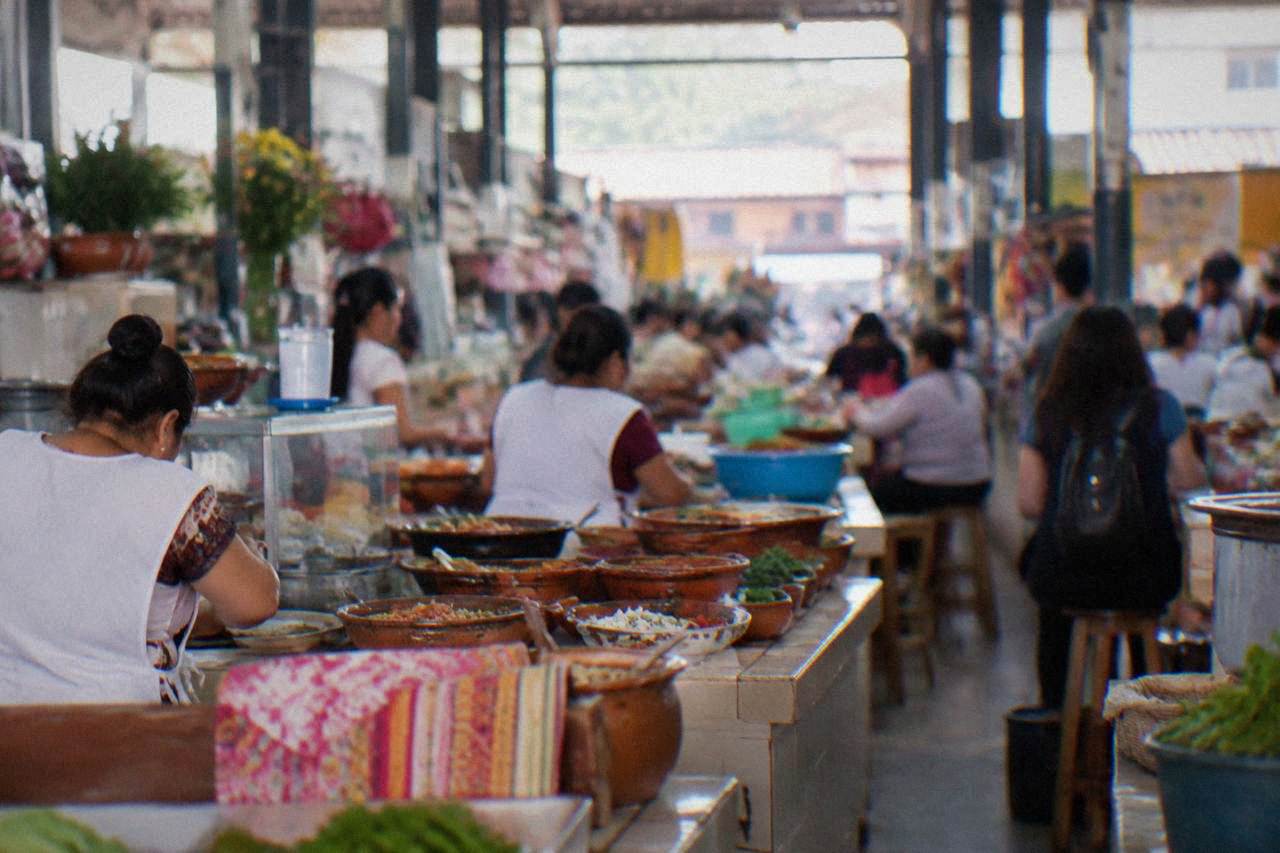
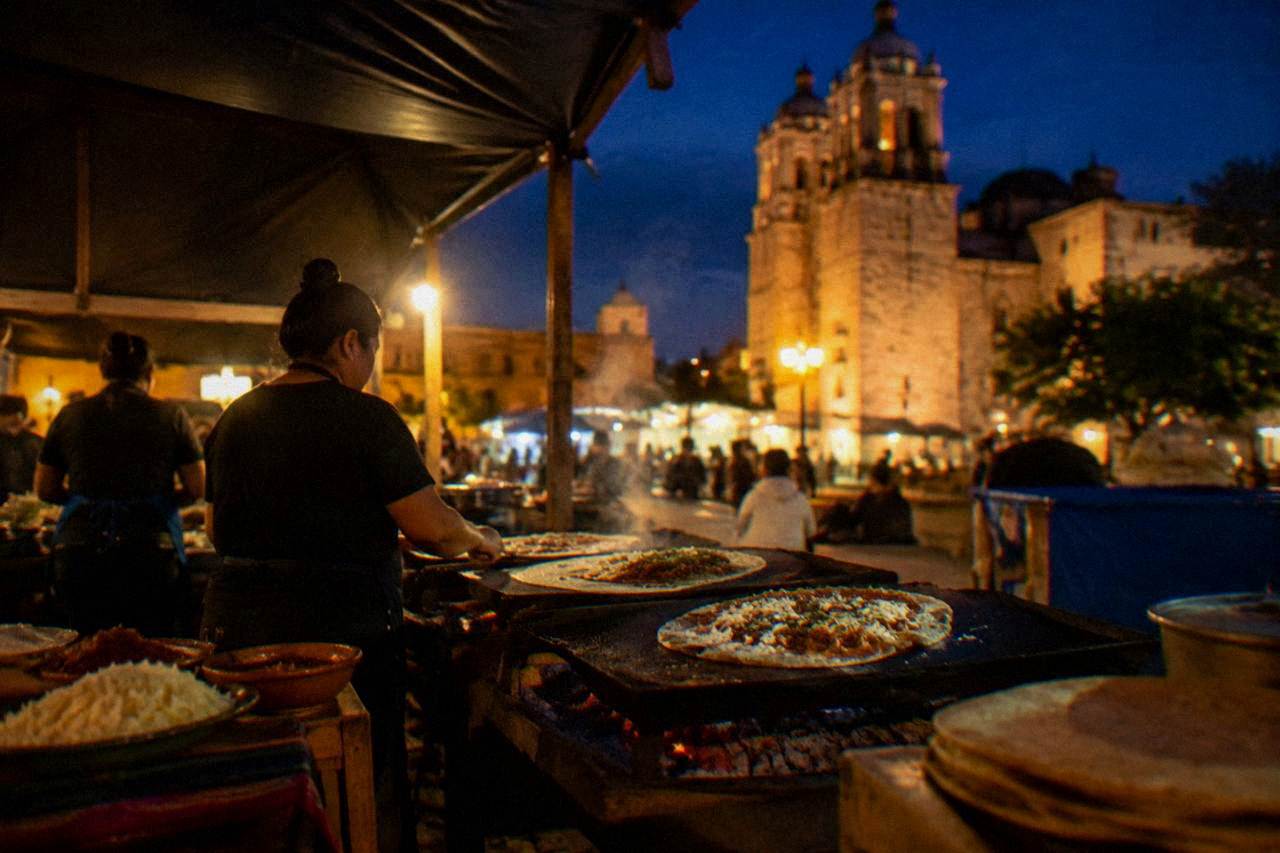
The dishes, drinks and markets that Oaxaca City is famous for, from tlayudas and mole to mezcal, tejate and chocolate, with where to taste each one.
Oaxaca City is famous for Monte Albán, seven kinds of mole, mezcal, craft villages and Guelaguetza. An editorial guide to what the sources actually say the city is known for.
Month-by-month weather, rain and festival data for Oaxaca City, from official climate normals, so you can pick your own best month to visit.
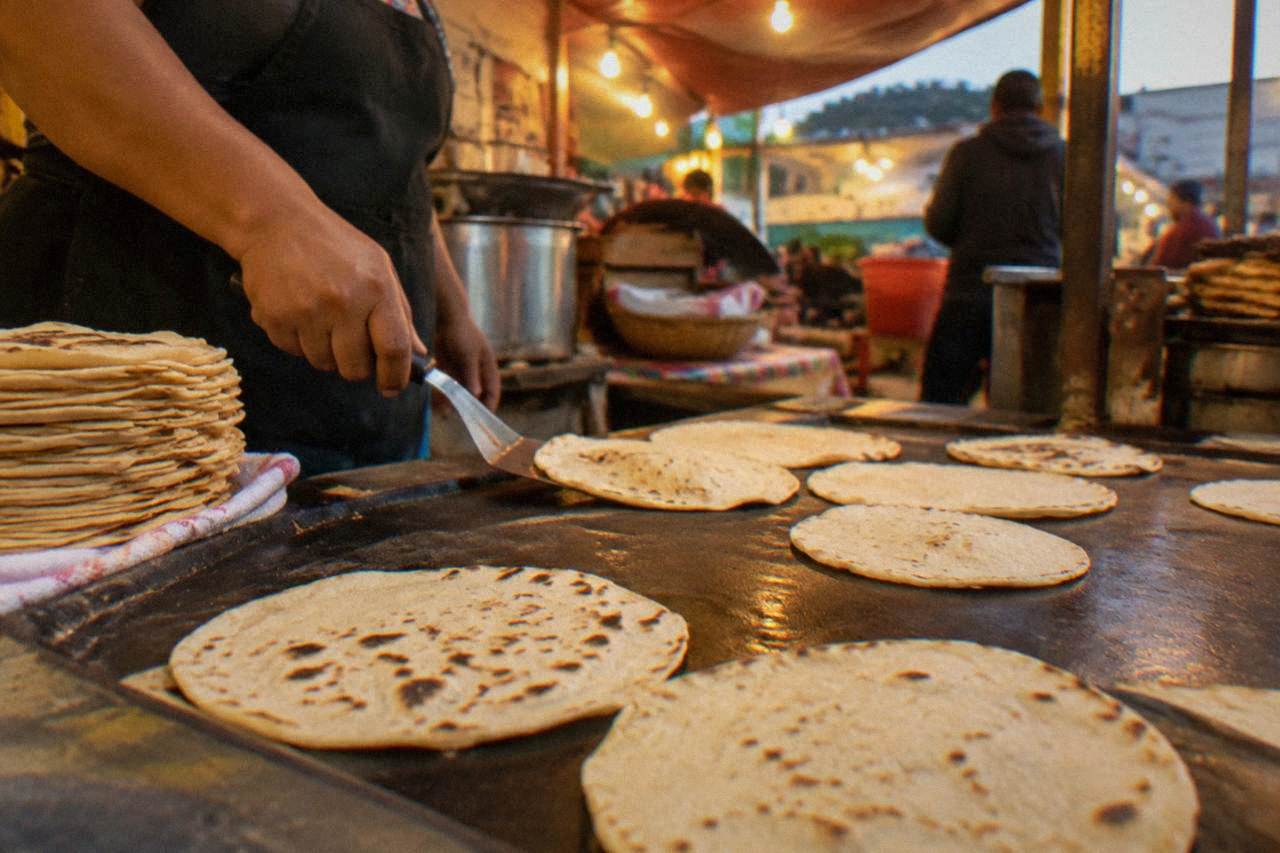
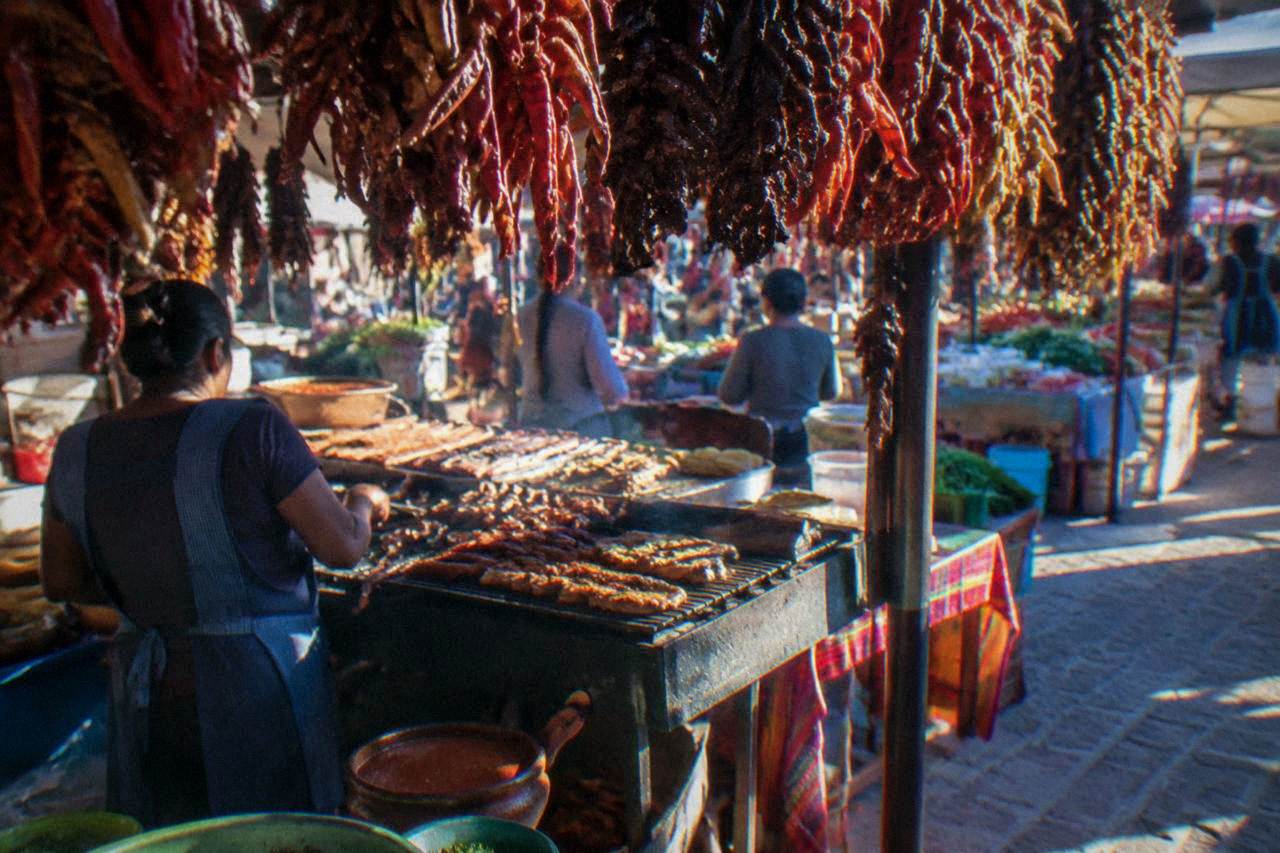
The dishes that define street eating in Oaxaca City, where to find them, and how a guided evening walk fits in.
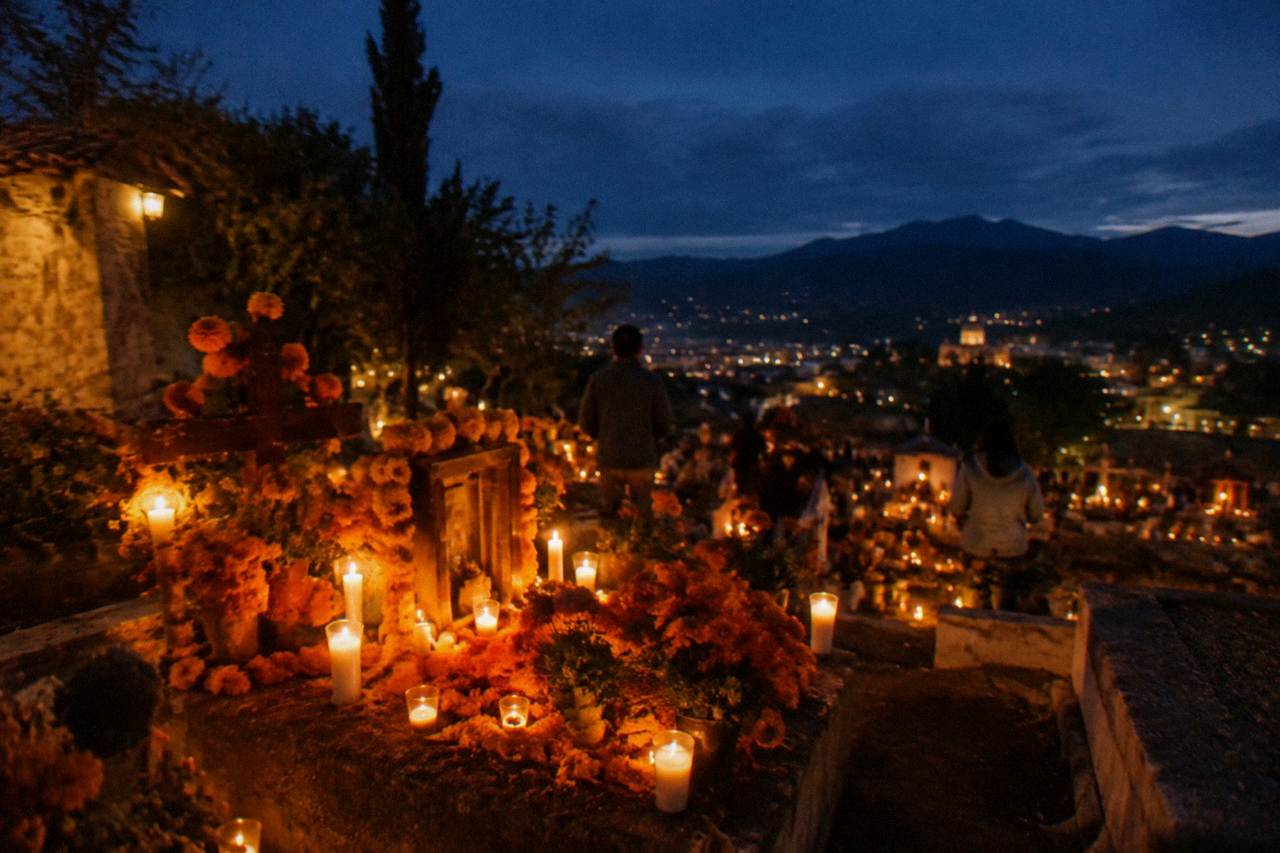
The best window for Día de Muertos in Oaxaca City is the evening of 31 October through 2 November, when the cemeteries fill with candlelight and altars. Here is how the nights differ and how to plan around them.
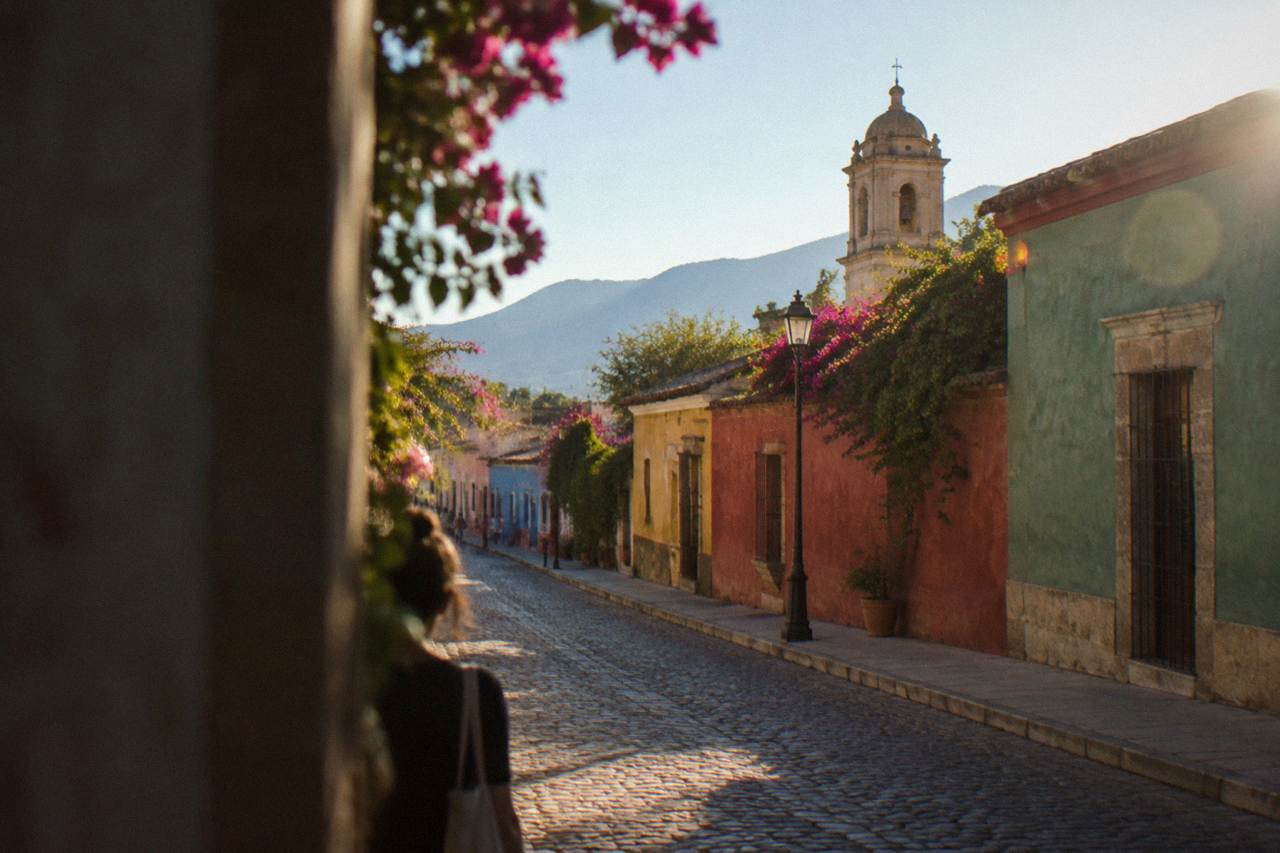
How to get around Oaxaca City: walking the Centro Histórico, colectivos and tours to Monte Albán and the Tlacolula Valley, and when a car helps, with drive times and site hours.
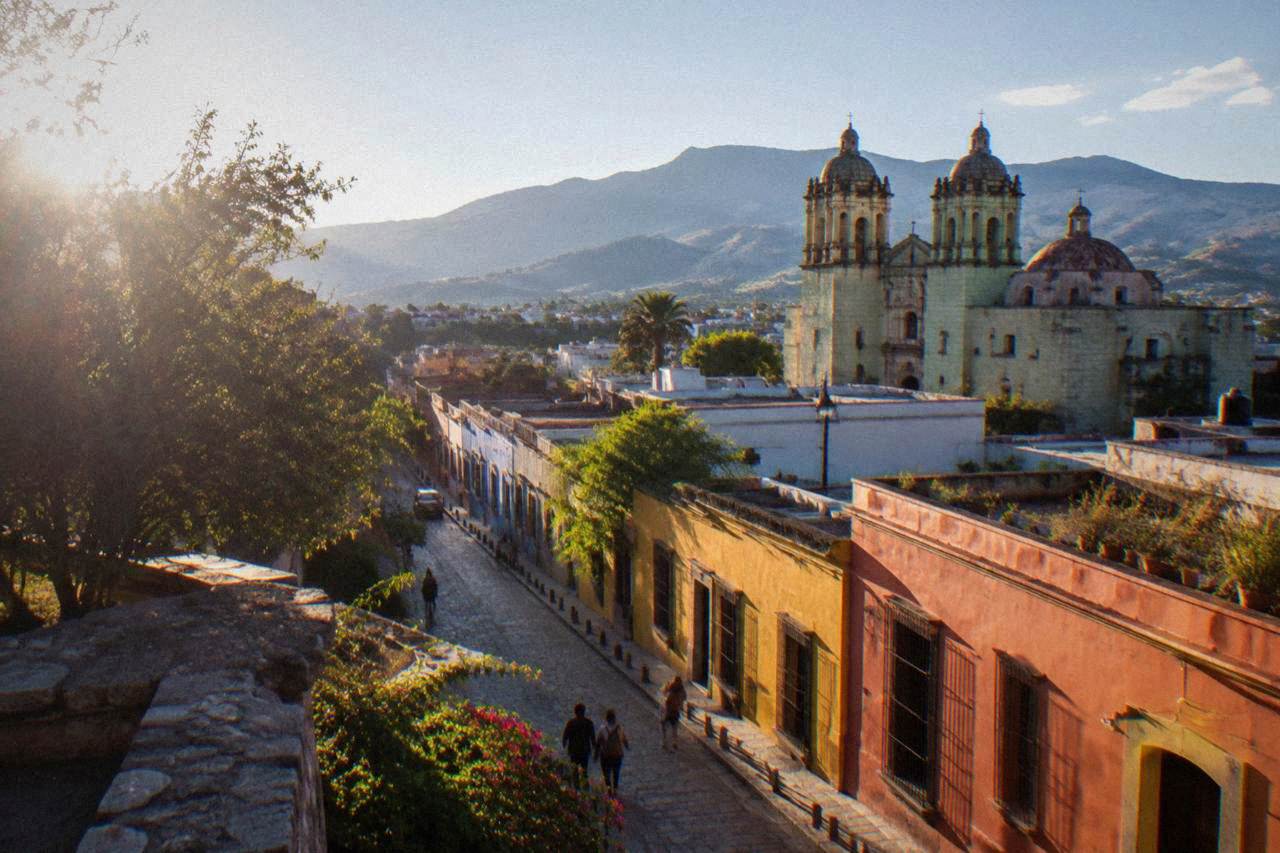
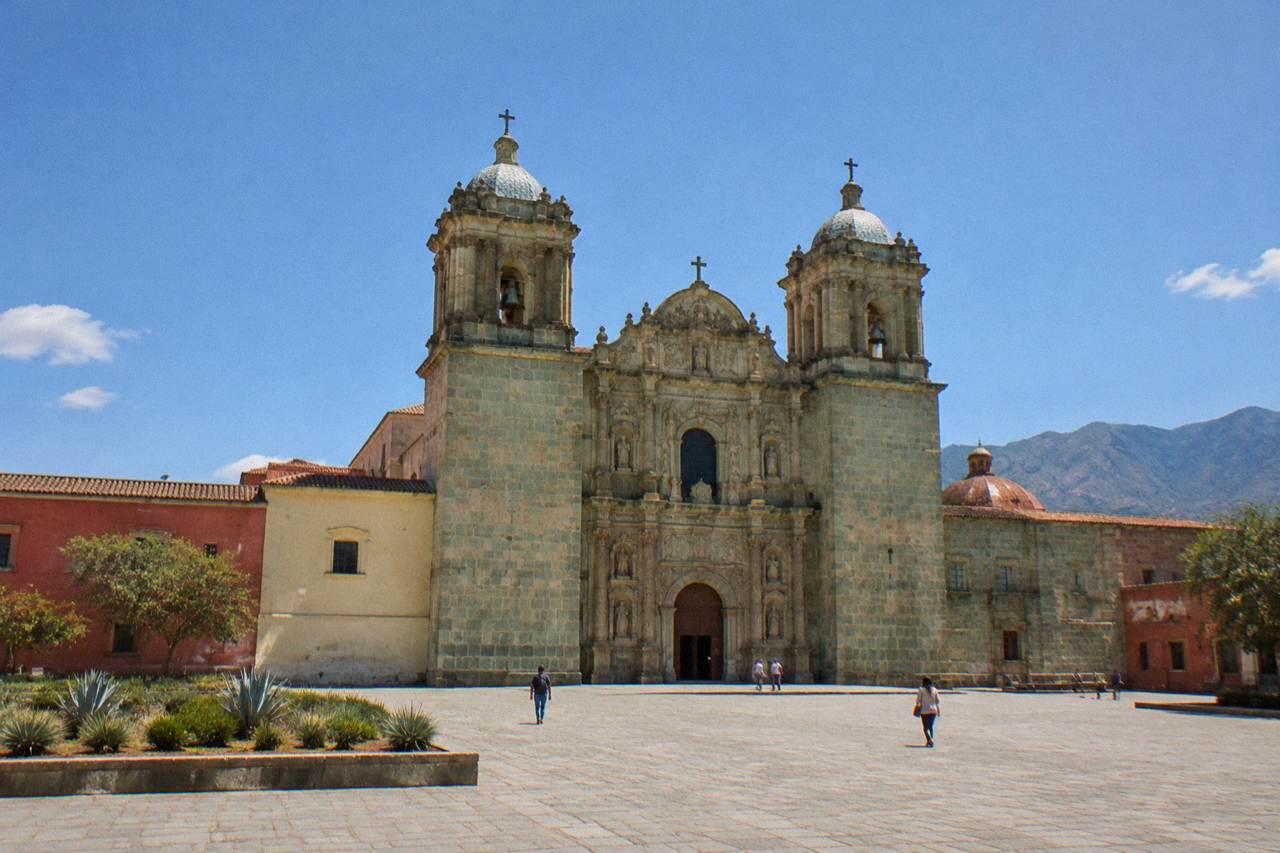
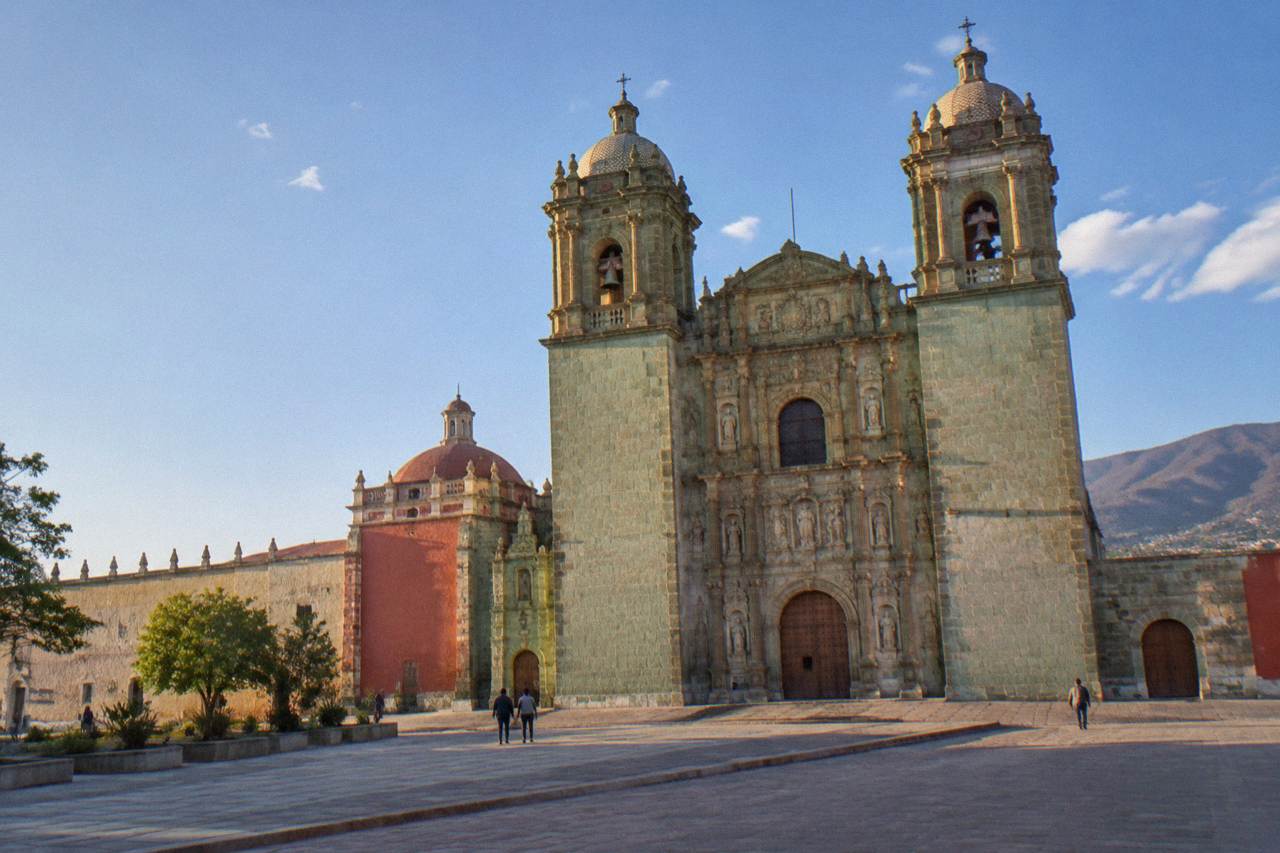
The most famous church in Oaxaca City is Santo Domingo de Guzmán, home to the Museo de las Culturas de Oaxaca and beside the Jardín Etnobotánico. Here is what to see and how to plan a visit.
June receives more rain than any other month in Oaxaca City, with 188.3 mm in the SMN 1991-2020 normals. Here is the full monthly breakdown and what it means for a visit.
November weather in Oaxaca City: average highs, lows, rainfall and what the start of the dry season means for planning, from SMN station normals.
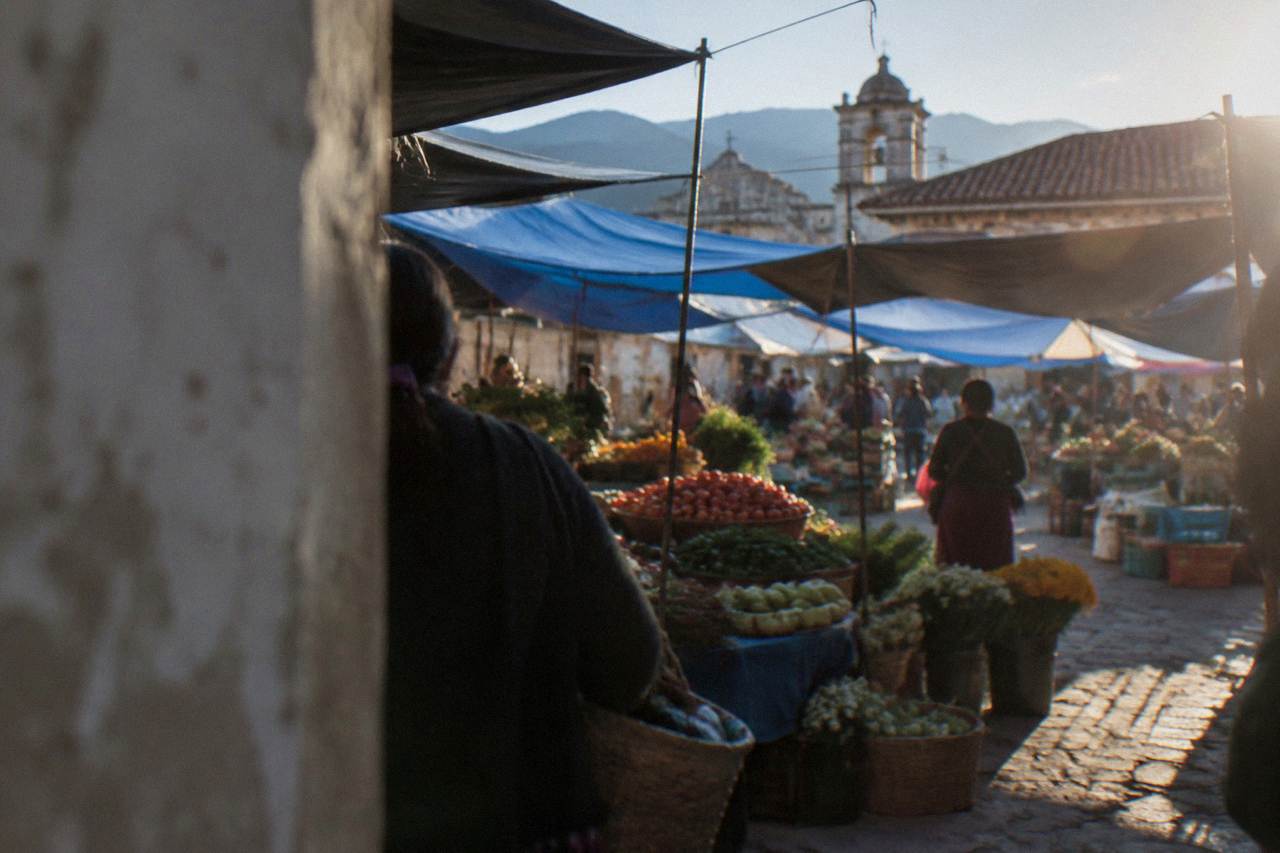
Tlacolula, a valley town about 25 minutes from Oaxaca City, holds one of the region's great markets. Here is what it is known for, what to eat and how to plan a visit.
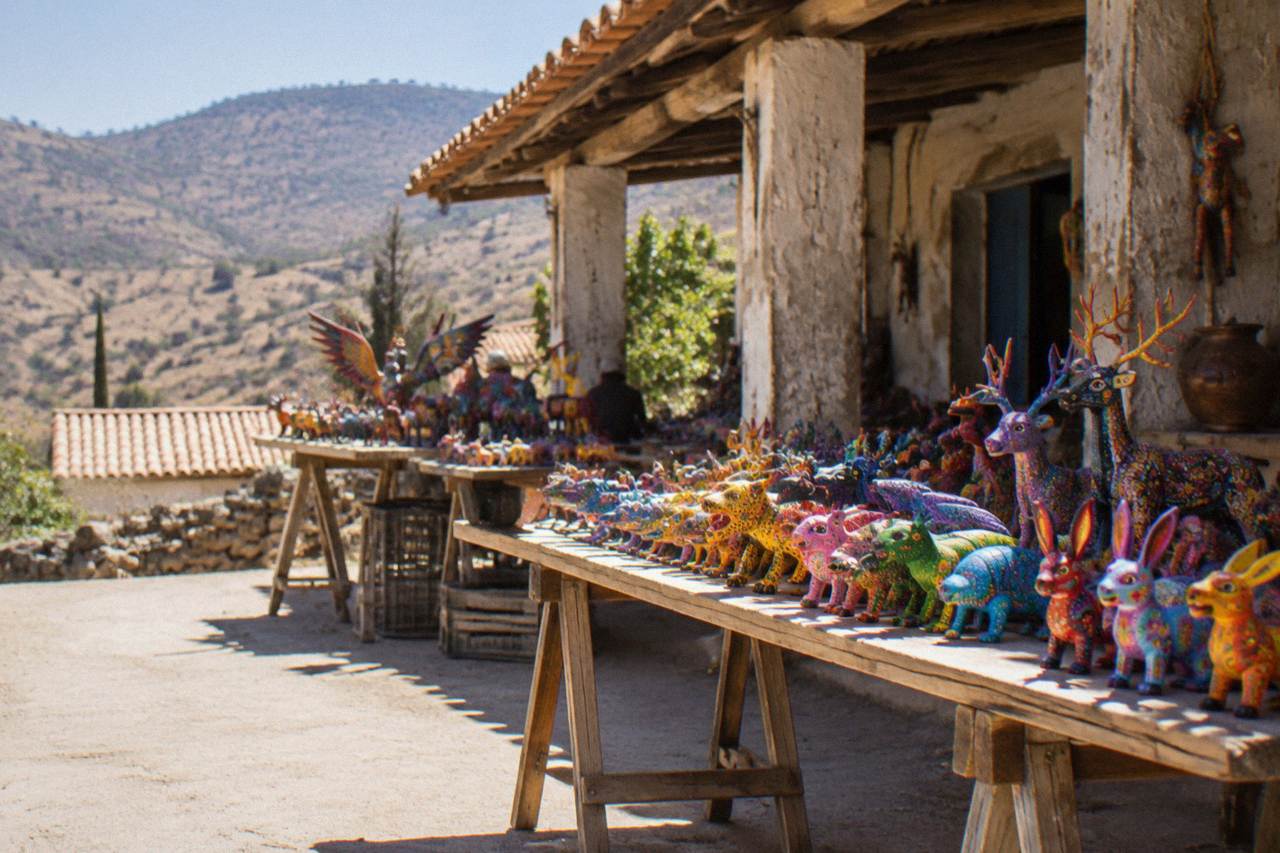
What to buy in Oaxaca City: alebrijes, barro negro, Teotitlán textiles, mezcal, chocolate and market finds, with where each one is made and what travels home well.
The sights, sites, markets and day trips not to miss in Oaxaca City, from Monte Albán and the Zócalo to Hierve el Agua and the craft villages of the Valles Centrales.
Where to base yourself in Oaxaca City: the Centro Histórico, Jalatlaco, Xochimilco and areas outside the centre, compared on walking distance, character and access to day trips.
Packing and clothing advice for Oaxaca City: highland sun, cool nights, rainy season downpours, cobbled streets, churches and festivals, all drawn from station climate normals.
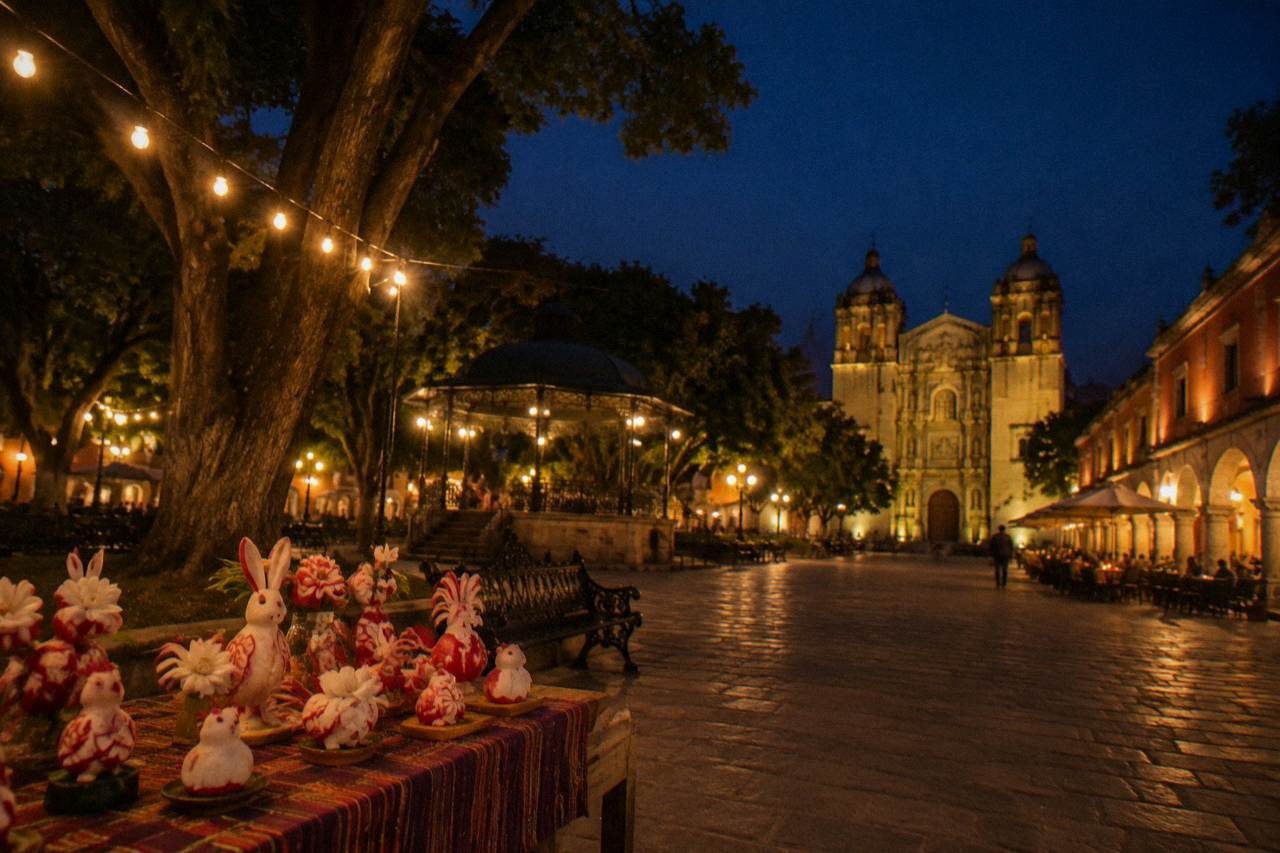
Noche de Rábanos in Oaxaca City falls on 23 December each year by tradition. Here is what the festival involves, what the sources say about the latest edition, and how to plan a December visit around it.
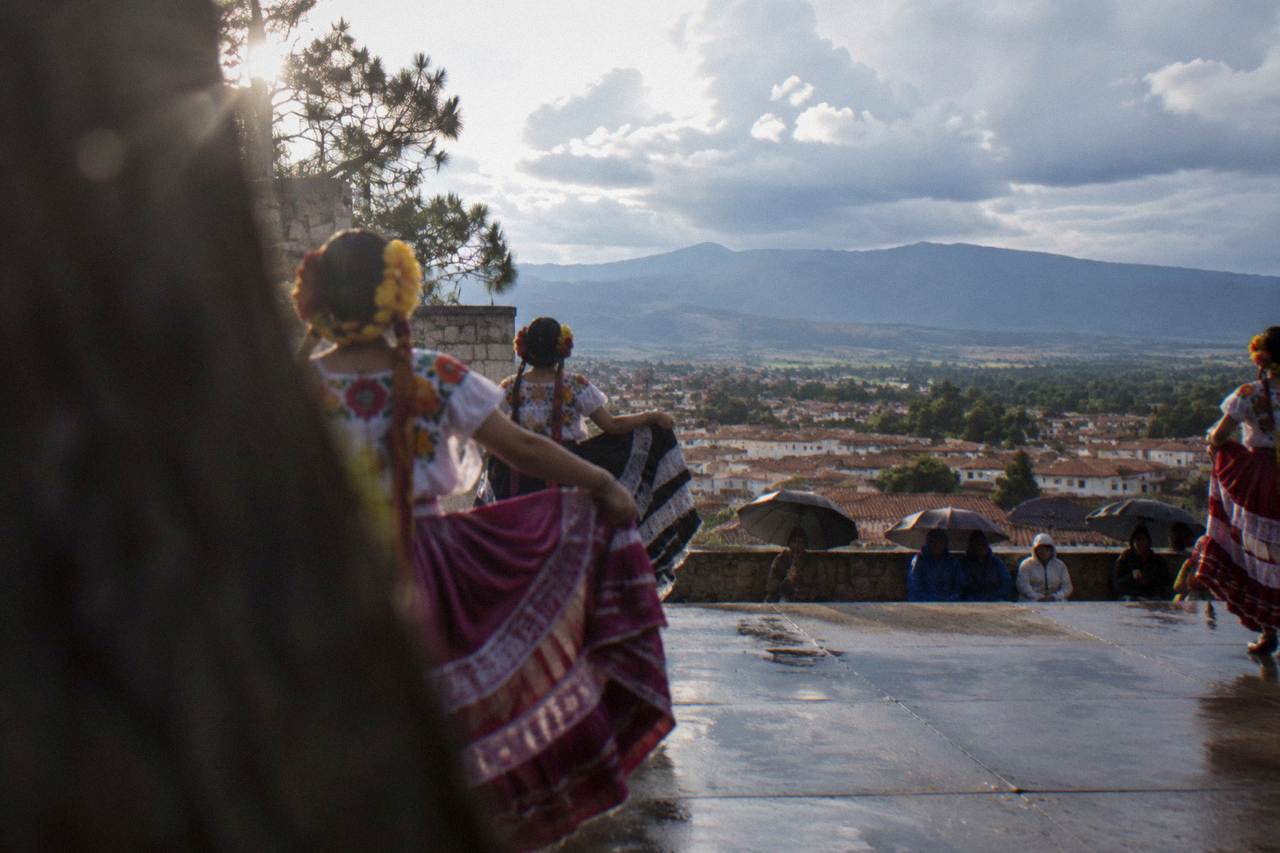
The Guelaguetza in Oaxaca City takes over two Mondays in July at the Auditorio Guelaguetza on the Cerro del Fortín. Here is the standing format, ticket system and July festival month.
Anthony Bourdain's Oaxaca City eating trail explained: the dishes, the markets and how to eat the same food today, with tours that cover the ground.
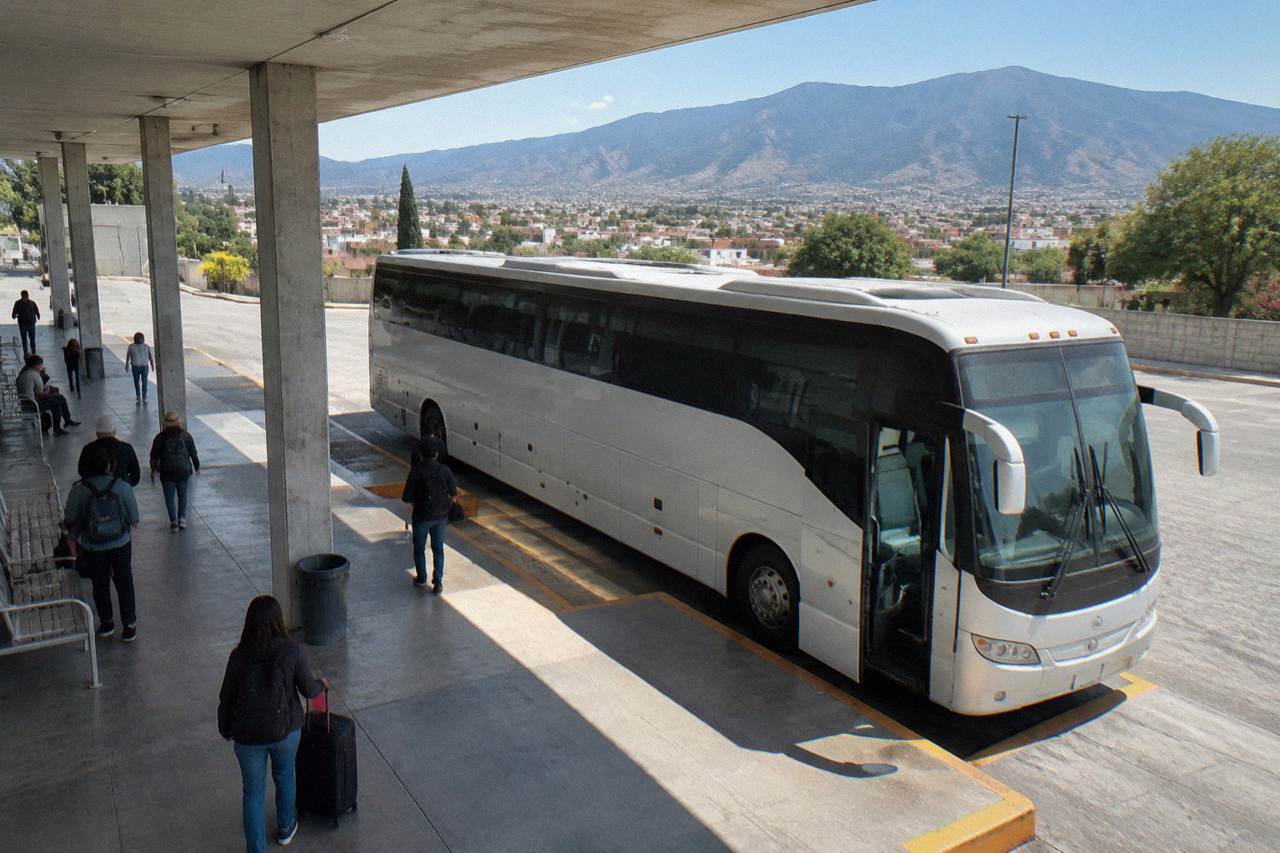
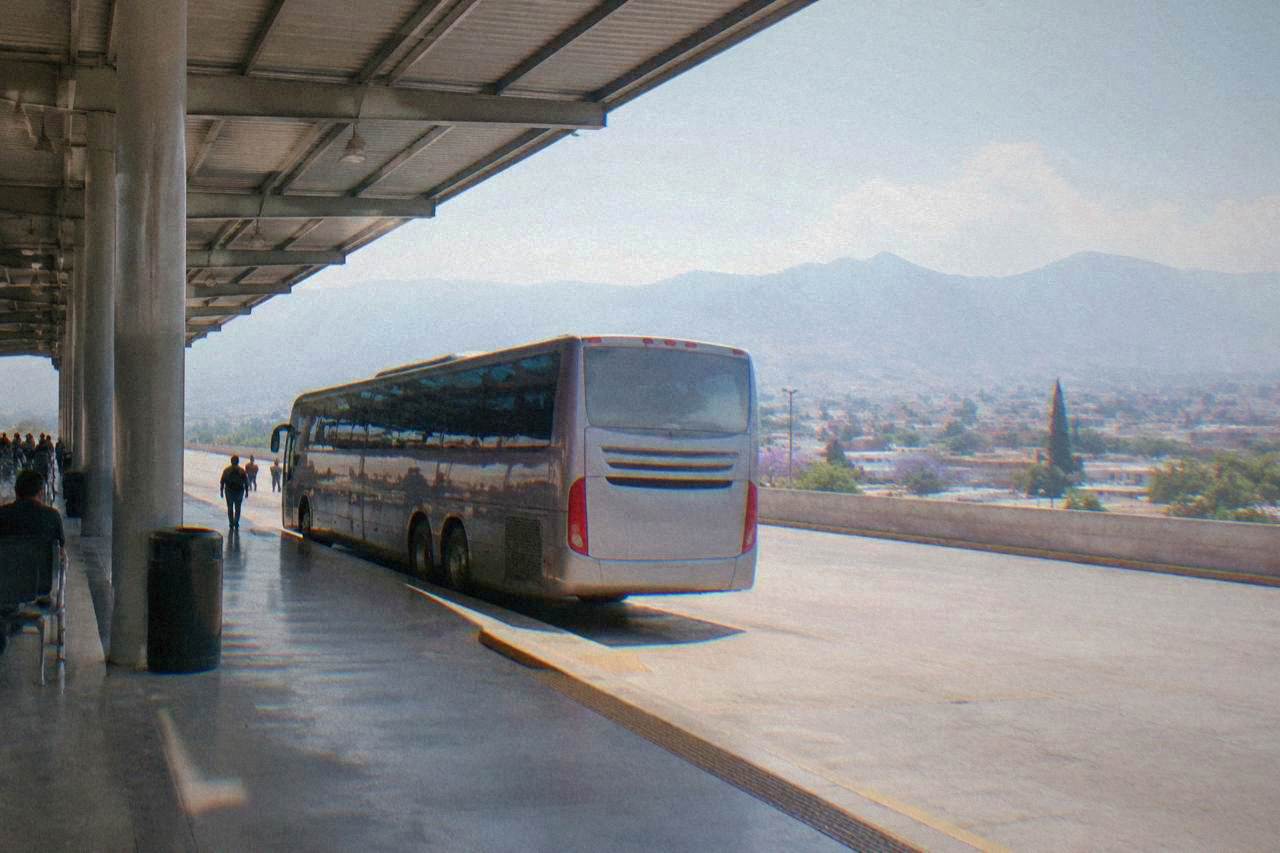
Where ADO buses leave from in Oaxaca City, what the operator's own site lists, and how to plan onward travel from the terminal to Monte Albán, Mitla and Hierve el Agua.
A fact-based comparison of Mexico City and Oaxaca City on size, climate, safety advisories, archaeology and trip length, with Oaxaca figures from INAH, INEGI and Sectur.
A sourced comparison of what the UK, Canadian and US travel advisories publish about Oaxaca City, how the two cities differ in scale and setting, and what that means for planning a trip.
The US cities with reported nonstop flights to Oaxaca City's Xoxocotlán airport, plus connecting options, airport basics and what to do after landing.
Oaxaca City stands apart from the rest of Mexico through its indigenous-majority state, its Valles Centrales geography, its food and mezcal traditions, and its festival calendar. Here is what the sources actually say.