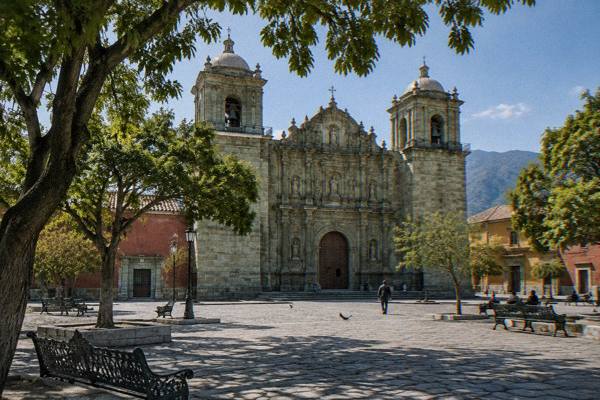
Can You Drink The Water In Oaxaca?
Practical guidance on tap water in Oaxaca City: what visitors drink, where to get safe water, and how ice, juices and street drinks are handled in the Valles Centrales.
Oaxaca City, the inland highland capital of the state of Oaxaca in Mexico, draws visitors for its markets, mezcal, mole and the Zapotec ruins of Monte Albán, and almost every one of those visitors asks the same practical question within hours of arriving: what goes in the glass. The tap water in Oaxaca is not part of the drinking routine for travellers. Bottled and filtered water is the standard, garrafones (the large 20-litre jugs) anchor household and restaurant supply across the city, and the practice extends to ice, fresh juices and street drinks. This page sets out what that means day to day, from brushing teeth to ordering an agua fresca at the Mercado 20 de Noviembre.
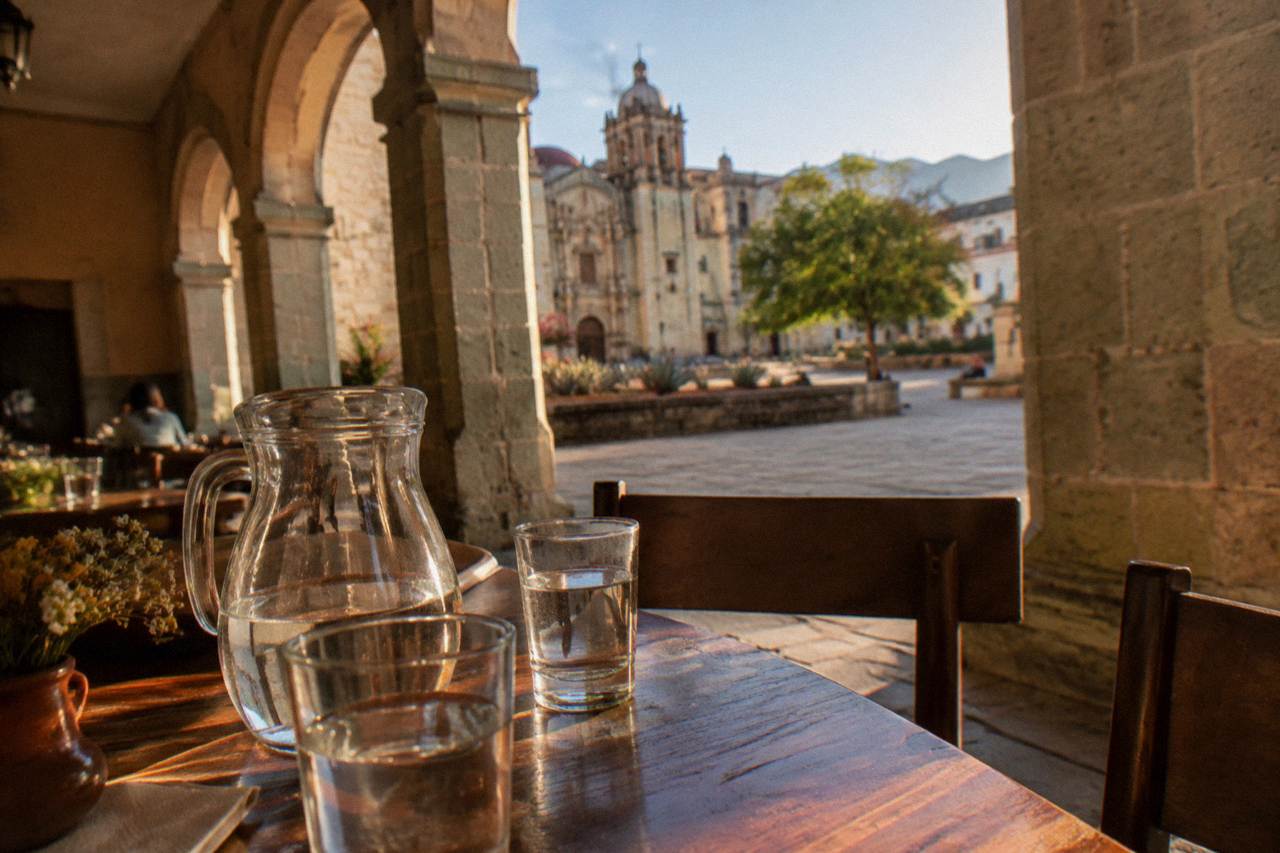
For everything the city offers beyond the water question, the things to do in Oaxaca overview covers the sights, and the site's own Oaxaca Travel Guide hub links every neighbourhood, ruin and market page. A deeper practical companion to this article is the drinking water in Oaxaca guide.
No, the practical rule for visitors to Oaxaca City is not to drink tap water, and instead to drink bottled or filtered water throughout the stay. This is not a tap-water city for travellers: households, restaurants and hotels rely on delivered garrafón jugs, countertop filters or purified bottled brands, and the same caution applies to brushing teeth. This is the standing practice reported across the destination, and it applies year-round at the city's altitude of about 1,550 m.
The question sounds simple and the daily answer is simple, but the reasons are worth understanding. Oaxaca de Juárez is a municipality of 270,955 people (Censo 2020) serving over 1.3 million tourist arrivals a year, and the drinking-water ecosystem that grew around that reality is commercial, not municipal: purification plants fill the garrafones, delivery trucks stack them into restaurants and homes, and small shops sell sealed bottles of every size. Water from the tap, whatever its treatment path, simply is not the product anyone, local or visiting, treats as drinking water here.
That does not mean dehydration or paranoia. It means one habit: like nearly every visitor to highland Mexican cities, you buy or are served purified water and never think about the tap again. Hotels leave sealed bottles; restaurants pour from garrafones; corner shops stock small bottles cold. The system works, and it is cheap by any travel budget.
| Practical fact | Figure or answer | Source basis |
|---|---|---|
| City altitude | About 1,550 m | SMN station and DEM figures |
| Municipality population | 270,955 | Censo 2020 |
| 2025 tourist arrivals, city | 1,324,332 | Sectur Oaxaca indicators |
| Timezone | UTC-6 all year | Husos Horarios law, 2022 |
| Standard visitor drinking water | Bottled or garrafón-filtered | Standing destination practice |
Where To Get Safe Drinking Water In Oaxaca City?
Everywhere, easily, and cheaply: sealed bottles are stocked by corner shops, pharmacies, markets and hotel lobbies across Oaxaca City, restaurants pour purified water from garrafones, and many hotels provide refill stations or in-room sealed bottles. A daily litre or two costs a small fraction of any meal budget in pesos. The tap is the only source a visitor treats as non-potable, and it is also the only source nobody actually needs, because purified water is sold on virtually every block of the Centro Histórico.
The garrafón system is the backbone. These 20-litre jugs are filled by purification plants, delivered by truck, and dispensed through ceramic or electric pumps in kitchens, cafés and small restaurants. When a place brings you a pitcher of water, it came from one. When you order agua del día, an agua fresca of jamaica, horchata or seasonal fruit, it was made with that same purified water, as was the ice, because the ice in restaurants and from commercial suppliers is made from purified water as a matter of course.
For self-catering, the markets are the cheapest place to buy sealed bottles. The Mercado 20 de Noviembre and the Mercado Benito Juárez sit a few minutes apart in the Centro Histórico, and both are surrounded by small shops where a two-and-a-half litre bottle costs a handful of pesos. Bring a refillable bottle for the filtered dispensers many cafés and hotels offer, which cuts plastic waste without any risk.
Practical hydration also depends on the calendar. The SMN station normals for Oaxaca show the dry season runs November to April with as little as 2.4 mm of rain in January, and April carries a normal daytime high of 34.9 C. Dry months with high sun call for more water than the June to September rainy stretch, when normals sit near 30 C with regular afternoon rain. Either way, altitude of about 1,550 m and walking the Centro Histórico's stone streets make carrying a bottle the default.
Is The Ice And Fruit Juice In Oaxaca Safe To Drink?
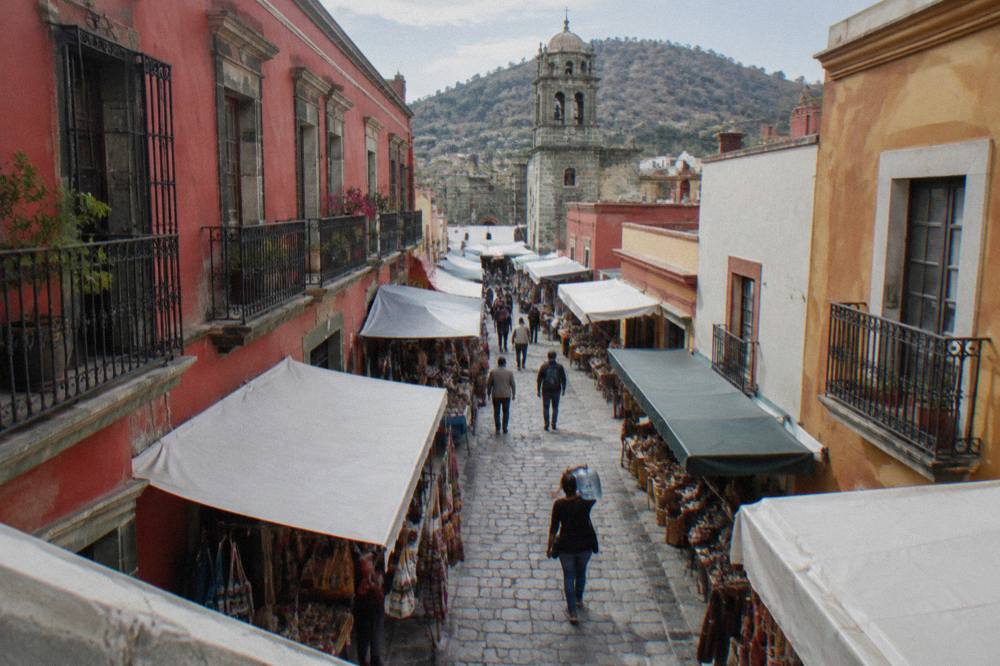
Yes, in the normal run of restaurants, markets and juice stands in Oaxaca City, ice and fresh juices are made with purified water, because commercial ice and garrafón water are the standard supply chains in the city. The agua frescas at the Mercado 20 de Noviembre, the licuados at a breakfast café and the ice in a mezcal at a rooftop bar all come from the same purified ecosystem. The caution belongs to the tap alone, not to the city's drinks.
The distinction matters because visitors sometimes extend tap-water worry to everything wet, and that overcorrects. Ice in Mexico is not scraped from a frozen puddle: it is an industrial product, delivered in bags, made in plants whose entire business is purified water. A juice stand squeezing oranges into a pitcher is pouring that water. The rule of thumb travellers use, sealed bottle or garrafón origin, covers essentially everything served to you in a glass.
Where judgement helps is with very informal setups, a hand-carried cooler at a roadside stop on a valley day trip, for instance, where you cannot see the origin. There the same standard applies: if it came from a sealed container or a commercial ice bag, it fits the purified ecosystem; if its origin is invisible, order something sealed instead. This is ordinary traveller practice, not an official advisory.
Oaxaca's drink culture rewards the confidence. Tejate, the cold maize-and-cacao drink poured from market urns, fresh dulce de tuna juice in season, and chocolate de agua at a Xochimilco chocolate mill are all part of the city's food identity, and skipping them out of water anxiety means skipping the destination itself. The what drink is Oaxaca known for page maps that culture in detail.
| Drink or source | Usual water origin | Practical call for a visitor |
|---|---|---|
| Restaurant table water | Garrafón jug | Drink freely |
| Aguas frescas at markets | Garrafón water | Drink freely |
| Commercial ice in bars and cafés | Purified plant ice | Drink freely |
| Sealed bottles from shops | Factory sealed | Drink freely |
| Tap water anywhere | Municipal supply | Not for drinking |
| Unknown roadside cooler drinks | Origin unclear | Choose a sealed drink instead |
A good way to meet that drink culture with a guide alongside is the mezcal and mole pairing led by a certified sommelier, which walks through how the city's flagship spirit meets its flagship sauce, with every pour coming from the commercial, purified side of the supply chain. The Mezcal & Mole by a Certified Sommelier tour page covers what the tasting includes, and you can Check availability for your dates.
Do Oaxaca Hotels And Vacation Rentals Provide Safe Water?
Nearly always yes: hotels in Oaxaca City provide sealed bottled water in rooms or refill dispensers on the properties, and established vacation rentals almost always include a garrafón with a pump, because purified water is the default household supply in the city too. The practical step is to confirm the garrafón is sealed when you arrive and to use it or sealed bottles for everything you swallow, including tooth brushing.
The garrafón point is worth dwelling on for rental guests. A jug already open when you check in may simply have been opened by the cleaner with a fresh seal removed, but a fully sealed jug removes all doubt, and delivery is trivial: the trucks circulate constantly, and hosts replace jugs on request. Refill stations have spread through the city's cafés and hotels as well, so a traveller with a filter bottle rarely buys plastic at all after arrival.
Tooth brushing is the habit that slips. Midnight brushing on autopilot is when a tap finds its way into a mouth, and the fix is a cup of purified water by the sink, filled once each evening. Families should know the same rule travels with children: the Oaxaca with kids guide folds it into the wider routine of a family trip.
What About Water On Day Trips Around The Valles Centrales?
The same rule travels with you: on day trips from Oaxaca City to Monte Albán, Mitla, Hierve el Agua, Teotitlán del Valle or the Tlacolula valley, drink only sealed or garrafón water you can see the origin of, and carry more than feels necessary. Mountain sun at altitude, about 1,550 m at the city and higher on valley rims, plus drive times of roughly 25 to 60 minutes each way, make dehydration the realistic risk of the day, not the water itself.
Derived drive times from the Zócalo frame the distances: Tlacolula about 25 minutes, Teotitlán del Valle about 26, Mitla about 37, Hierve el Agua about 57, all before mountain-road reality adds time. Villages on those routes are inside the same purified-water economy, so a shop in Tlacolula or Mitla sells the same sealed bottles as the Centro Histórico. The gaps are between towns, on trails and at viewpoints, which is where the bottle in your daypack earns its place.
Organized valley tours handle this for you as part of the product, and the pairing between hydration and guided days out is why the site pairs this topic with its food and walking picks: a guide who knows the stops also knows where the sealed cold drinks are. For planning the routes themselves, the Hierve el Agua day trip guide and the Mitla and Tlacolula day trip guide cover the logistics in full.
Should You Worry About Water On Your Whole Oaxaca Trip?
No: once the one habit is in place, sealed or garrafón water for everything you swallow, water stops being a variable in an Oaxaca trip entirely, and the city's entire food and drink culture opens up. Visitors eat tlayudas at a market grill, drink tejate from a market urn, taste mezcal in a palenque-adjacent tasting room and order ice in their drinks without hesitation, because all of it sits on the same purified supply chain. The tap is ignored, not feared.
The broader safety picture around the city is calm by the wording of the foreign advisories. The UK FCDO advises against all but essential travel to parts of Mexico but does not name Oaxaca on its main page; Canada says exercise a high degree of caution for Mexico overall with regional advisories; the US State Department lists Oaxaca state at Level 2, Exercise Increased Caution, with its restrictions in the Isthmus region, away from the Valles Centrales. Road blockades by teachers' unions recur as a standing, sporadic risk that can briefly affect roads and airport access, worth knowing for transfer timing, though not a reason to plan around. None of that touches the water glass.
In the end, the water question in Oaxaca has the same answer it has across highland Mexico: the purified system is the drinking water system, it is everywhere, and it is trivially easy to use. Spend the saved worry on which mole to order, which market to walk and which ruins to see at which hour.
Common Questions About Drinking Water In Oaxaca
Can You Drink The Water In Oaxaca?
No. Visitors to Oaxaca City drink bottled or garrafón-filtered water, the standard supply for households, restaurants and hotels across the city, and treat the tap as non-potable for drinking and tooth brushing.
Is The Ice In Oaxaca Made From Safe Water?
Yes, in the normal run of the city. Commercial ice in restaurants and bars is a purified-water product, delivered in bags, and aguas frescas and juices are made with garrafón water as standard practice.
Can You Brush Your Teeth With Tap Water In Oaxaca?
The consistent traveller practice is to use purified water for brushing as well as drinking. Keeping a cup of garrafón or bottled water by the sink makes the habit automatic, especially with children.
Where Do You Buy Drinking Water In Oaxaca City?
Corner shops, pharmacies and the areas around the Mercado 20 de Noviembre and Mercado Benito Juárez all sell sealed bottles, and many cafés and hotels offer filtered refill stations for travellers carrying their own bottles.
Is Water Safe On Day Trips To Hierve El Agua And Mitla?
The same rule applies: drink sealed or garrafón water you can see the origin of, and carry extra, since mountain sun at altitude plus roughly 40 to 60 minutes of driving each way makes dehydration the more realistic risk of the day.
Is Agua Fresca Safe To Drink In Oaxaca Markets?
Yes, at established market stands and restaurants. Aguas frescas, tejate and licuados are prepared with purified garrafón water as the standard supply, so they are part of the city's food culture rather than a risk category.