Drinking Water In Oaxaca: Tap, Ice And Purified Water
Oaxaca City sits in the highland Valles Centrales of Mexico at about 1,550 m, and the way drinking water is handled there follows a pattern visitors quickly notice: purified water in sealed jugs and bottles is the standard for drinking, and tap water serves other uses. This guide covers the practice, ice, where to buy water, and how the city's climate and altitude shape how much you drink.
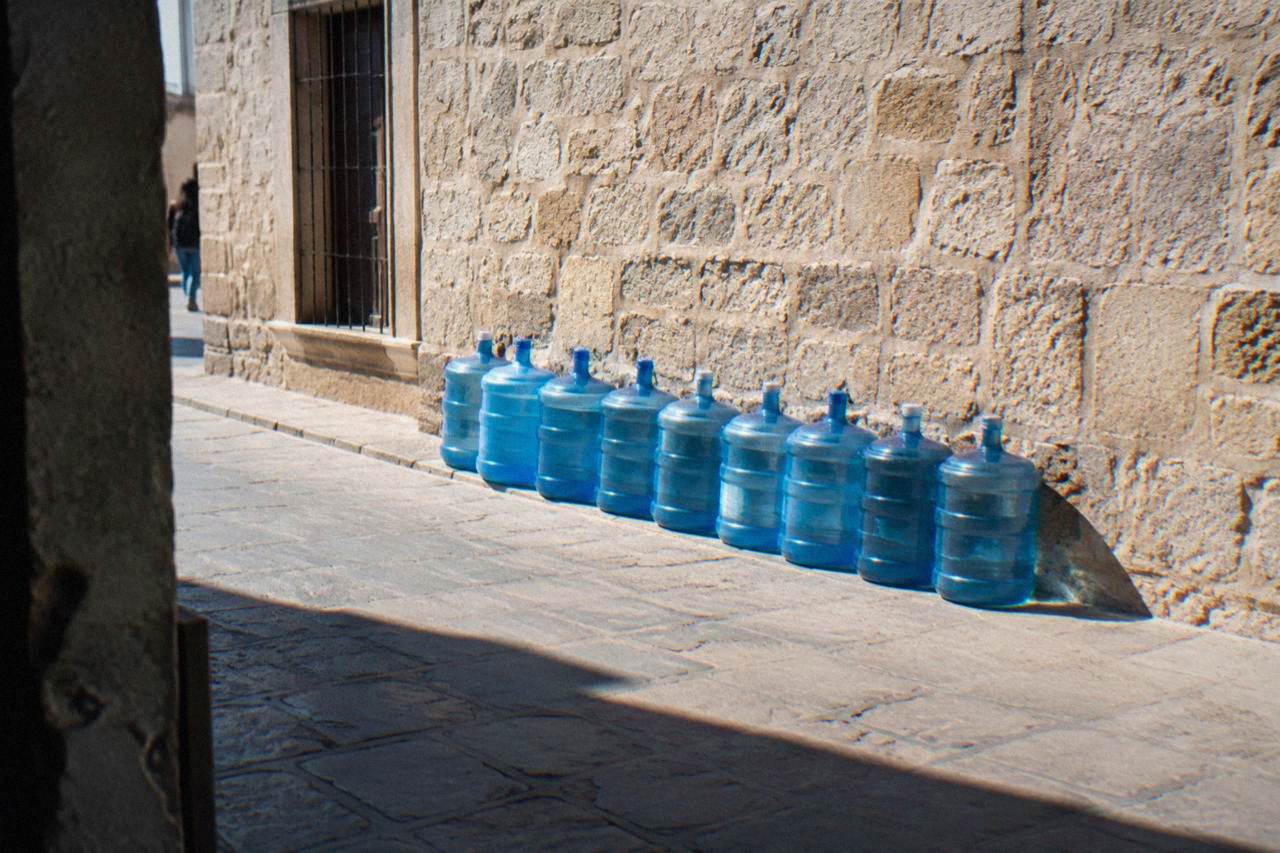
In Oaxaca City, drinking water means purified water: sealed bottles and large refill jugs, sold everywhere from corner shops to markets. Ice in established restaurants, cafés and tour operations is made from purified water, and visitors are routinely advised to prefer sealed or filtered water over tap water for drinking.
Drinking water in Oaxaca City, the inland highland capital of the state of Oaxaca in Mexico, runs on a system that visitors grasp within a day of arriving: purified water in sealed containers is what people drink, and it is sold on practically every block. The city sits in the Valles Centrales at about 1,550 m, far from the sea, and its dry and rainy seasons shape both how much water you want and how the streets carry the rain when it falls. The short safety question has its own answer page at Can You Drink The Water In Oaxaca?; this guide is the practical layer on top of it.
Is The Tap Water In Oaxaca For Drinking?
No, and nobody in Oaxaca City treats it that way. Tap water in Oaxaca households, hotels and restaurants serves washing and cooking duties, while drinking water comes from a separate, purified supply sold in sealed bottles and the large jugs known as garrafones. Visitors are consistently advised to drink sealed or filtered water, and the entire retail landscape of the city is built around that habit.
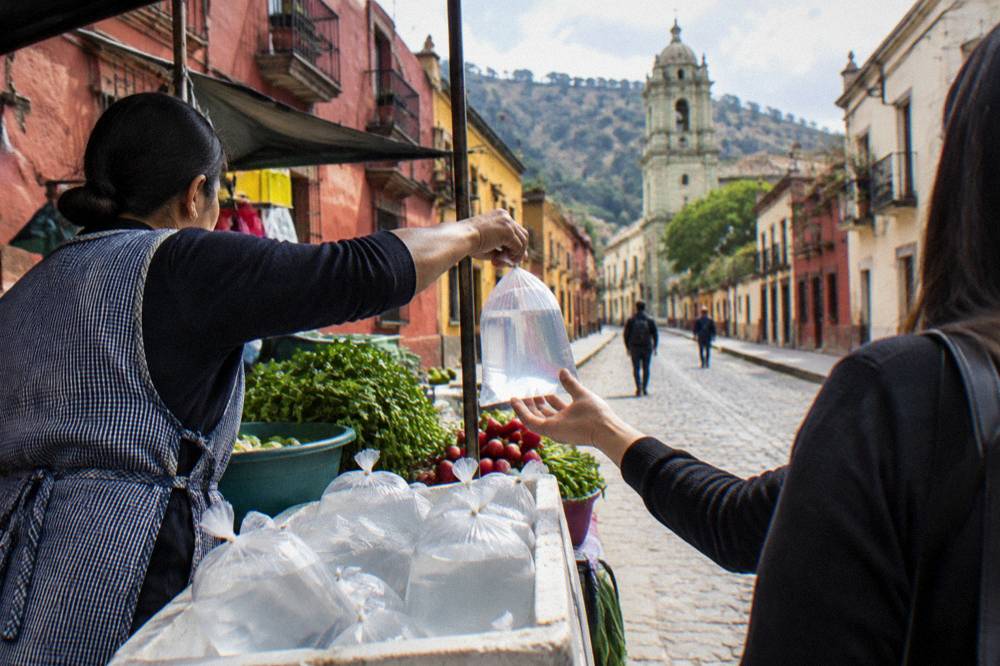
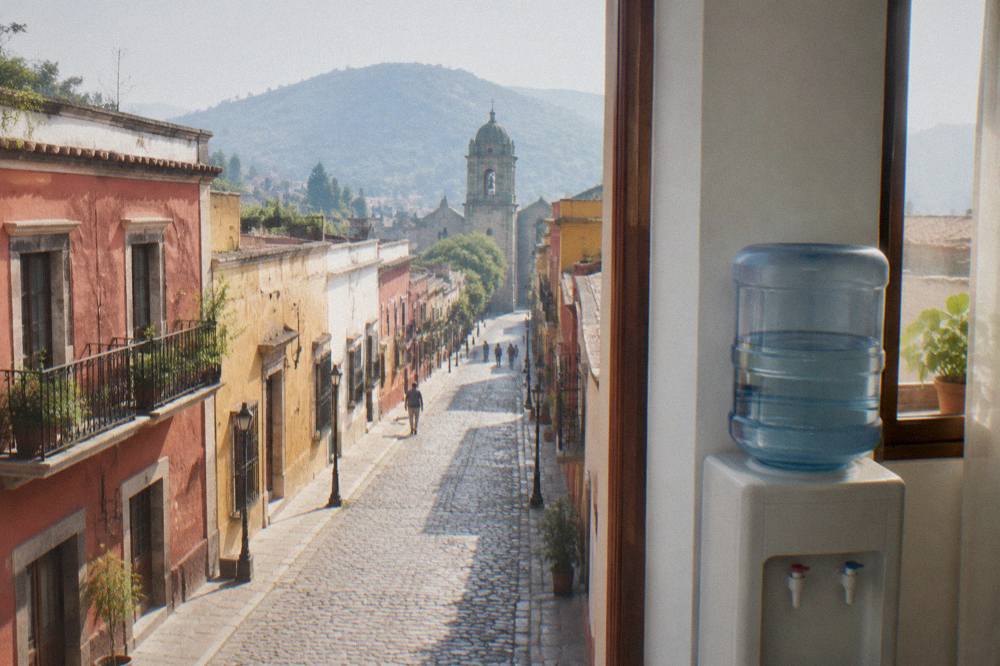
That is the honest way to describe the system: it is not a shortage or an emergency measure, it is the ordinary arrangement. Walk any street between the Zócalo and the Mercado 20 de Noviembre and you pass shops stacked with 20-litre garrafones, small bottles chilled in coolers, and dispenser stands where full jugs are swapped for empty ones. Hotels in the centre place sealed bottles in rooms; hosts and tour operators hand out bottled water on valley day trips to Mitla and Hierve el Agua. The pattern repeats because it is how the city actually works, not because it is staged for visitors.
For planning purposes, treat drinking water as a small line in your budget rather than a worry. This site's cost overview puts it in context alongside meals and transport in Oaxaca Travel Costs And Budget, and the money page covers how cash and cards work day to day in Money, ATMs And Cash In Oaxaca. Corner shops and markets take cash for water, and jugs and bottles are cheap relative to restaurant food. What you should not do is arrive expecting to refill from any tap the way you might at home; that simply is not the local convention, and nobody local does it either.
What About Ice In Drinks In Oaxaca?
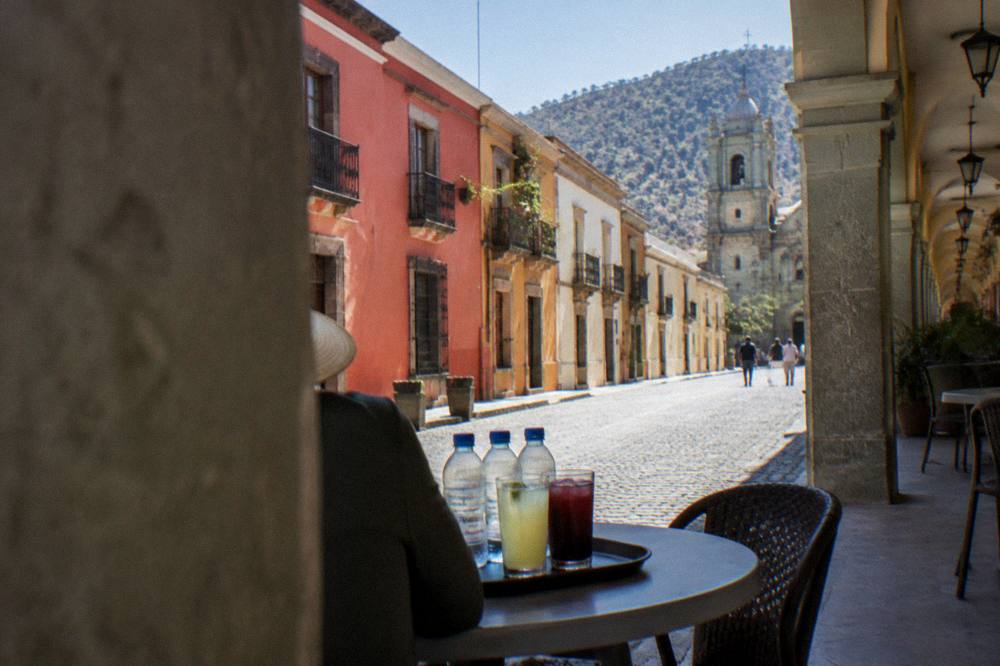
Ice in Oaxaca City's established restaurants, cafés, bars and tour operations is made from purified water, and visitors are generally advised to accept ice in drinks at established venues while relying on sealed bottles at street stalls where the source is unknown. The practical rule is venue-based, not city-wide: the more established the kitchen, the safer the assumption about the ice.
The reason is commercial as much as anything. Restaurants, mezcalerías and cafés in the historic centre buy ice delivered in bags from commercial producers who make it from purified water, because their own customers, local and visiting, hold them to the same standard. A restaurant that served suspect ice to Oaxaca residents would lose them as fast as it would lose travellers. Street-side aguas frescas and iced drinks are a finer judgement call: the stand may well use purified water and bagged ice, and many do, but you cannot see the provenance the way you can with a sealed bottle, so the sealed-bottle habit is the conservative default at stalls.
Context helps here too. The SMN station normals for Oaxaca put April's average daily high at 34.9 C and even January's at 28.9 C, so cold drinks with ice are not a luxury in this climate, they are the normal way to take a refresco, a agua de jamaica or a beer in the afternoon. Avoiding ice entirely would mean avoiding the bulk of the city's drinking culture. The sensible reading, echoed across the site's food coverage in What To Eat In Oaxaca and Street Food In Oaxaca, is that ice at established venues is part of the deal and that your caution budget is better spent on where you eat than on whether the ice exists.
Where Do You Buy Purified Water In Oaxaca?
Everywhere, and in three main formats: small sealed bottles from corner shops, cafés and market stalls; large garrafón jugs for dispenser tops, sold and exchanged at dedicated water shops; and refill services that some cafés and hostels offer. Around the Zócalo, the Andador Macedonio Alcalá and the market districts you are never more than a short walk from a vendor selling sealed water.
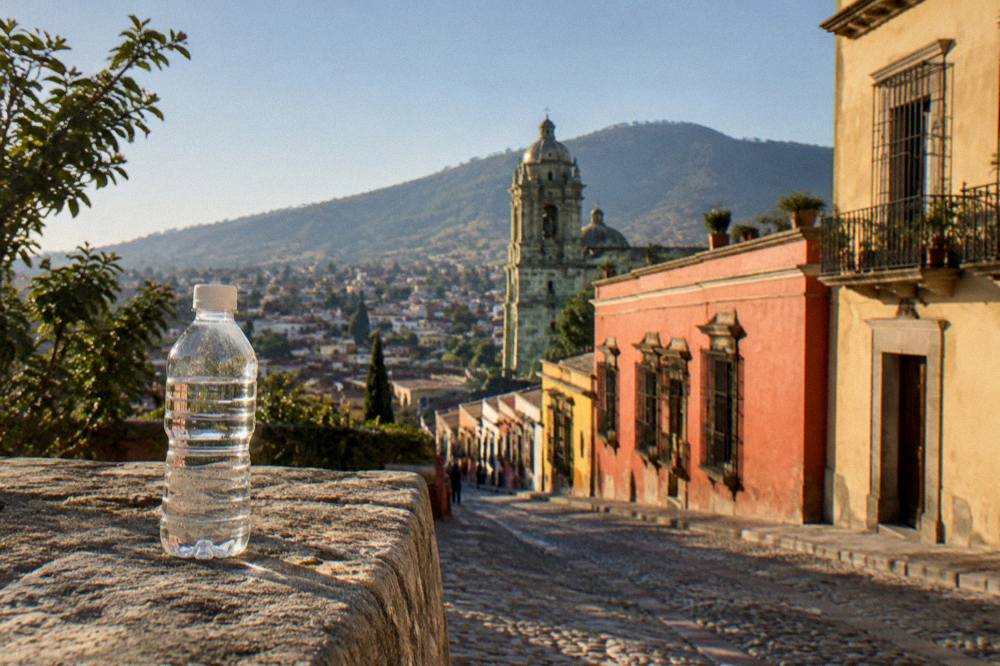
The formats matter for how you travel. A small bottle handles the walk between the Santo Domingo de Guzmán church and the Basílica de la Soledad. A garrafón tops up a dispenser for a stay of several days, and hotels and guesthouses in every price band keep exactly that arrangement running for guests. For days out, the pattern changes: valley day trips to Mitla, about 37 minutes' drive from the Zócalo, or Hierve el Agua, about 57 minutes, run through warm valley terrain where tour operators distribute bottled water as part of the service, and you should still carry your own extra bottle in the dry season months.
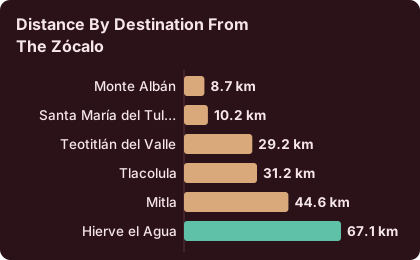
Distances from the Zócalo shape how you plan those supply runs. The drive times below are derived from routing on OSM roads, so treat them as about right under free-flow conditions, with real traffic and mountain roads slower.
| Destination from the Zócalo | Distance | Drive time |
|---|---|---|
| Monte Albán | 8.7 km | about 15 min |
| Santa María del Tule | 10.2 km | about 11 min |
| Teotitlán del Valle | 29.2 km | about 26 min |
| Tlacolula | 31.2 km | about 25 min |
| Mitla | 44.6 km | about 37 min |
| Hierve el Agua | 67.1 km | about 57 min |
If you are staying in the centre, all of this is academic for daily needs: the density of water vendors between the Zócalo and the markets is high enough that running out takes effort. The neighbourhood guide at Where To Stay In Oaxaca covers which districts put you closest to that everyday commerce, and the overview of Oaxaca Neighbourhoods gives the wider map.
How Does Oaxaca's Altitude Change Your Water Needs?
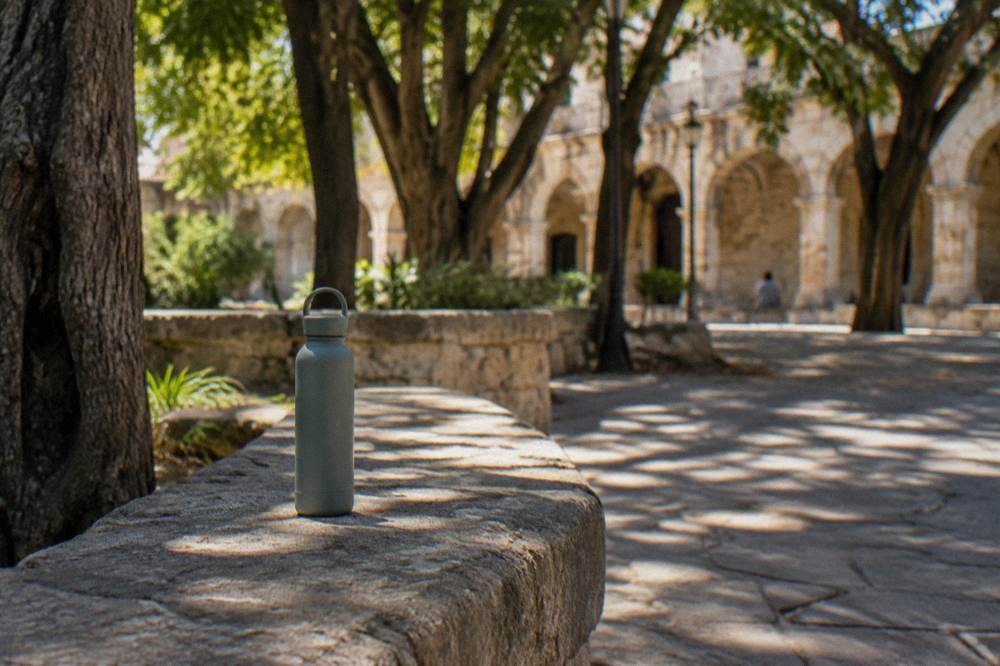
Oaxaca City sits at about 1,550 m in the Valles Centrales, an altitude at which visitors commonly drink more than they would at sea level, and the city's strong, highland sun adds to that. Altitude around this level is modest by Sierra Norte standards, but combined with warm afternoons it makes steady hydration the sensible default rather than an afterthought.
The comparison inside the same state makes the point. The Pueblos Mancomunados of the Sierra Norte lie roughly two and a half hours' drive from the city, Latuvi about 142 minutes by the derived routing, and hiking visits there are the occasions when altitude genuinely demands planning. The city itself is far gentler: about 1,550 m, no snow at any time of year, and average daily highs between 28.9 C in January and 34.9 C in April per the SMN station normals. What catches visitors off guard is the sun, because the dry season from November to April pairs those warm highs with very little rain, just 2.4 mm in January and 9.0 mm in December on average, so sweat evaporates quickly and you notice thirst later than the deficit actually starts.
The practical habits follow directly. Carry a bottle on walking days in the centre, accept the water offered on tours, and treat a long exposed stretch like the walk up to the Cerro del Fortín as a bring-your-own-water outing. Visitors pacing the whole city will find the planning discussion in How Many Days In Oaxaca useful for spacing the demanding walks, and the sun and altitude details are expanded in Oaxaca Altitude And Sun.
| Oaxaca fact | Figure | Note |
|---|---|---|
| City altitude | about 1,550 m | Valles Centrales highland valley |
| Municipality population | 270,955 | Censo 2020 |
| Timezone | UTC-6 all year | no daylight saving since 2022 |
| City tourist arrivals 2025 | 1,324,332 | 212,533 of them foreign |
| Average hotel stay 2025 | 2.00 nights | Sectur indicators |
Which Months Make You Drink The Most In Oaxaca?
April does, by the temperature record: the SMN station normals give April an average daily high of 34.9 C, the highest of the year, with May close behind at 33.8 C and only 47.3 mm and 97.9 mm of rain respectively to cool the afternoons. The months from November through April are dry, warm and sunny, which is exactly the combination that empties water bottles fastest.
The full monthly picture comes from the SMN station 20079 normals for 1991 to 2020, the station record for the city. Read the highs alongside the rainfall: the dry months deliver high temperatures with almost no rain, while the rainy months trade a few degrees of heat for regular afternoon downpours. The wider set of guides lives on Oaxaca Travel Guide.
| Month | Average high C | Average low C | Average rain mm |
|---|---|---|---|
| Jan | 28.9 | 10.3 | 2.4 |
| Feb | 31.1 | 11.6 | 4.6 |
| Mar | 33.3 | 13.6 | 17.6 |
| Apr | 34.9 | 15.8 | 47.3 |
| May | 33.8 | 16.7 | 97.9 |
| Jun | 30.9 | 16.7 | 188.3 |
| Jul | 30.1 | 15.9 | 118.6 |
| Aug | 30.0 | 15.9 | 131.8 |
| Sep | 29.1 | 16.1 | 163.6 |
| Oct | 29.3 | 14.5 | 63.1 |
| Nov | 29.0 | 12.3 | 9.1 |
| Dec | 28.9 | 11.0 | 9.0 |
Two readings of that table matter for a water-focused trip. First, the dry season is when your consumption peaks: warm highs, negligible rain, and long days of walking the Centro Histórico, Jalatlaco and Xochimilco. Second, the rainy season from May to October does not lower the temperature much, it averages around 30 C for daily highs through June to August, it just concentrates the water falling on the city into afternoon and evening storms, with June averaging 188.3 mm and 19.9 days with rain. The month-by-month detail, including what the rain does to plans, is expanded in Oaxaca Weather By Month and Oaxaca In The Rainy Season.
What Happens To Water In Oaxaca In The Rainy Season?
The rainy season in Oaxaca runs from May to October, with peak rain from June to September, and June averages 188.3 mm across 19.9 days with rain per the SMN station normals. Rain arrives heavily rather than constantly, typically soaking afternoons and evenings while mornings stay usable, and the city's stone streets and gutters carry it away fast.
The season reframes the water question in an odd way: there is suddenly an enormous amount of water in the city, and none of it any more drinkable than before. Runoff in the historic centre is exactly that, runoff. What the rain changes for visitors is rhythm. Mornings are the reliable window for Monte Albán, about 15 minutes away by road, or the craft villages, and afternoons belong to roofed things: markets, the shops of the Andador Macedonio Alcalá, mezcal tastings and cooking classes. The site's full treatment of wet-day planning is at Oaxaca In The Rain, and the seasonal overview sits in Best Time To Visit Oaxaca.
One planning note belongs here because it touches water in the concrete sense. Teachers' union road blockades recur in Oaxaca as a standing risk, reported as sporadic actions lasting about a day, and they can disrupt road and airport access when they happen. They are not tied to the rainy season, but a wet-season traveller already reworking an afternoon around a storm should know that road access can occasionally need reworking too. The safety context, including the advisory wording for Oaxaca state, is laid out in Is Oaxaca Safe.
| Season | Months | Character | Average rain in the peak month |
|---|---|---|---|
| Dry season | November to April | Warm, sunny, very little rain | 2.4 mm in January |
| Early rainy season | May to June | Heat building, storms starting | 188.3 mm in June |
| Peak rainy season | June to September | Regular heavy afternoon rain | 188.3 mm in June |
| Late rainy season | September to October | Rain tapering | 63.1 mm in October |
What Role Does Water Play In Oaxacan Drinks?
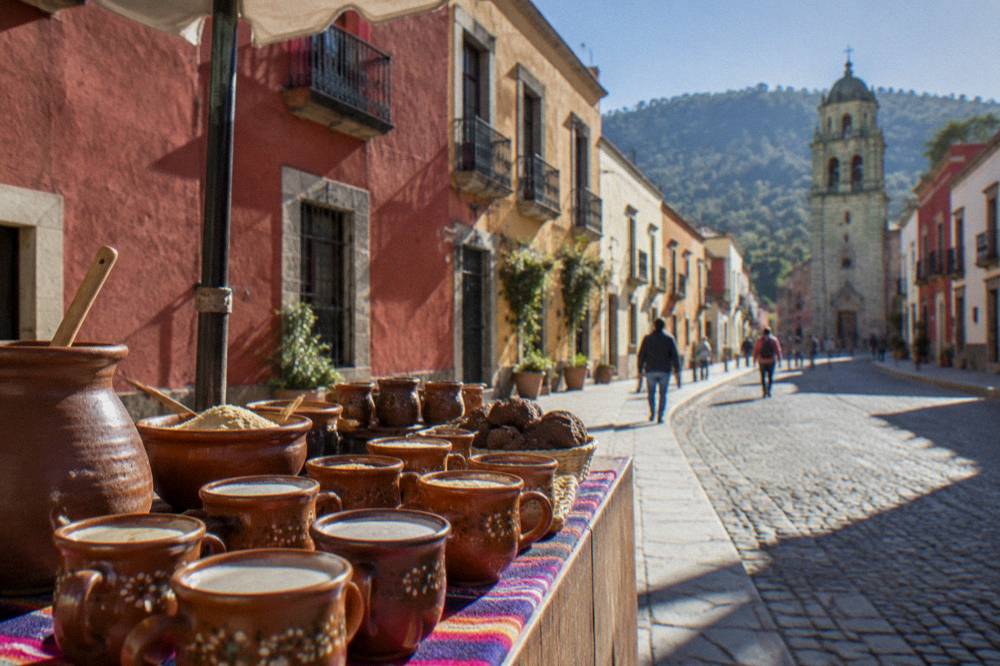
Water is the base of Oaxaca's everyday drinking culture long before it becomes mezcal: aguas frescas, tejate and Oaxacan chocolate are all water-based traditions, and the city's markets and food tours are built around tasting them. The same water that visitors buy sealed in bottles is, in purified form, the medium for the drinks Oaxaca is known for.
Tejate and chocolate are the two names to know. Both appear across the market stalls of the city, and both are prepared drinks rather than bottled products, which loops back to the venue-based judgement from the ice section above: at established market stalls and food venues these drinks are made with purified water as standard practice, and they are a central part of the food culture rather than a fringe risk. A guided food and markets walk is the structured way into that world, and the site's food coverage in Oaxacan Chocolate and What Drink Is Oaxaca Known For expands the drinks map.
Then there is the other direction water travels: away from drinking. Mezcal production is a story of water turned into something else entirely, and the valley around Santiago Matatlán, the community repeatedly described in state sources as the world capital of mezcal, is where distillers do it. A distillery visit with behind-the-scenes access is the clearest way to see that process, and this page's featured tour covers exactly that ground: Check availability. The full background on the spirit itself is in Mezcal In Oaxaca, and the wider guide to the distillery country is at Mezcal Route: Santiago Matatlán.
Do You Need To Carry Water On Oaxaca Tours And Day Trips?
Yes for valley day trips and hikes, where you are out for the better part of a day in warm terrain, and usually no for short city tours, where sealed water is for sale constantly along the route. Tour operators on Tlacolula Valley circuits distribute bottled water to guests, but the afternoons run warm year-round, so an extra bottle of your own is the cheap insurance.
The geography explains the difference. The city tours, a historic-centre walk, a street art route through Jalatlaco, a market tasting circuit, all sit inside a compact grid where a shop selling cold sealed bottles is rarely out of sight. The valley trips do not. Hierve el Agua is about 57 minutes' drive out, the road climbs, and once you are at the springs you are walking exposed paths in mountain sun. The Sierra Norte hikes out of the Pueblos Mancomunados are a step further again, full-day mountain outings where the operator's provisions plus your own supply is the right combination, and the trails overview is at Sierra Norte And Pueblos Mancomunados.
For the big valley loop, the practical detail sits in the dedicated planning page, Hierve el Agua Day Trip, and the combined itinerary at Mitla And Tlacolula Day Trip. Both cover the same water logic from the itinerary side: morning departure, sealed water in the vehicle, a warm middle of the day at altitude, and a return through Tlacolula or Mitla where drinks are again for sale everywhere.
How Does Water Fit Into A Oaxaca Trip Budget?
As a small, constant line, not a big one. Purified water in Oaxaca City is cheap by any travel budget standard, sold in small sealed bottles at corner shops and in garrafón jugs for longer stays, and the main budget decisions in the city are accommodation, food and tours, not drinking water. The figures that do matter for planning come from the city's own tourism indicators and the state's lodging tax.
Two hard numbers frame the money picture. The state lodging tax, the Impuesto al Hospedaje, is 3 percent on hotel-type stays, or 5 percent where intermediaries and platforms are involved, per the state fiscal law updated in December 2025. And the city's 2025 tourism indicators recorded 1,324,332 arrivals with an average stay of 2.00 nights, which tells you the typical visitor rhythm this city is planned around: short stays, dense days, and a lot of walking between sights, which is precisely the pattern in which water purchases become routine. The full cost breakdown, meals included, is at Oaxaca Travel Costs And Budget, with accommodation context in Best Hotels In Oaxaca.
What Should Families And Longer Stays Know About Water In Oaxaca?
Families and long-stay visitors settle into the garrafón economy the way residents do: a large jug on a dispenser in the accommodation, sealed small bottles for the day bag, and refills bought as needed. For children the same venue-based rule as for ice applies, sealed containers for drinking, established venues for prepared drinks, and the routine becomes second nature within a day or two.
Longer stays actually simplify things. Once you are in one place for a week, the dispenser-and-jug arrangement in your guesthouse or rental does the daily work, and the only water decision left is what to carry on outings. Families weighing the city overall will find the practicalities, from stroller terrain to pacing, in Oaxaca With Kids, and first-time visitors get the full orientation in First Time In Oaxaca. The arrival logistics, including what awaits at the terminal, are covered in Oaxaca Airport and Getting Around Oaxaca.
Drinking Water In Oaxaca: The Short Version
Drink sealed or purified water, accept ice at established venues, buy small bottles for the day and a garrafón for longer stays, and carry extra on valley day trips and hikes. April through the dry season demands the most hydration, June through September swaps some of that heat for heavy afternoon rain, and the altitude of about 1,550 m plus strong highland sun keeps the baseline need high all year.
That is the whole system, and it is genuinely the whole system for residents too. Nobody drinks from the tap in Oaxaca City, so the visitor habit and the local habit are the same habit, which is the most reassuring fact about any destination's water culture. Beyond the water itself, the drinks built on it, from aguas frescas and tejate to the distilled tradition of Santiago Matatlán, are half the reason to come, and the city's food and mezcal pages pick up exactly where this one ends. Everything else about planning the trip sits under Things To Do In Oaxaca.
Common Questions About Drinking Water In Oaxaca
Can You Drink The Tap Water In Oaxaca?
No. Tap water in Oaxaca City serves washing and cooking uses, and drinking water comes from purified supplies sold in sealed bottles and garrafón jugs. This is the local practice for residents as much as for visitors, and the dedicated answer page at /answers/can-you-drink-the-water-in-oaxaca/ covers the question directly.
Is Ice In Oaxaca Safe?
Ice at established restaurants, cafés and bars in Oaxaca City is made from purified water, typically delivered bagged from commercial producers. At street stalls the source of ice is less visible, so the conservative default there is bottled drinks, a venue-based judgement rather than a city-wide one.
Where Can You Buy Purified Water In Oaxaca City?
Practically everywhere. Corner shops sell small sealed bottles, dedicated water vendors sell and exchange large garrafón jugs for dispensers, and markets and cafés stock chilled bottles throughout the Centro Histórico and surrounding neighbourhoods.
How Much Water Should You Drink At Oaxaca's Altitude?
Oaxaca City sits at about 1,550 m, a modest altitude where the main drivers of hydration are warm temperatures and strong highland sun rather than thin air. Steady drinking through walking days is the sensible default, with extra carried on valley day trips and Sierra Norte hikes.
Does It Rain A Lot In Oaxaca?
It depends sharply on the season. The dry season from November to April averages as little as 2.4 mm of rain in January, while the rainy season from May to October peaks in June with an average of 188.3 mm, usually falling in heavy afternoon and evening storms.
Is Bottled Water Expensive In Oaxaca?
No. Purified water is one of the smallest lines in a Oaxaca travel budget, sold cheaply in small sealed bottles at corner shops and in large garrafón jugs for longer stays, with the real budget decisions being accommodation, food and tours.