What Part Of Oaxaca Is Best To Stay In?
Where to base yourself in Oaxaca City: the Centro Histórico, Jalatlaco, Xochimilco and areas outside the centre, compared on walking distance, character and access to day trips.
Oaxaca City, the inland highland capital of the state of Oaxaca in Mexico, is compact enough that the question of where to stay is really a question of a few neighbourhoods, each within walking distance of the others. The city sits at about 1,550 m in the Valles Centrales, has no sea and no beach, and is built around the Zócalo, the Andador Macedonio Alcalá and Santo Domingo de Guzmán. The choice of base comes down to how central you want to be, how much quiet you want at night, and whether you want markets or plazas on your doorstep. This page compares the neighbourhoods from what the published record and this site's own guides actually state.
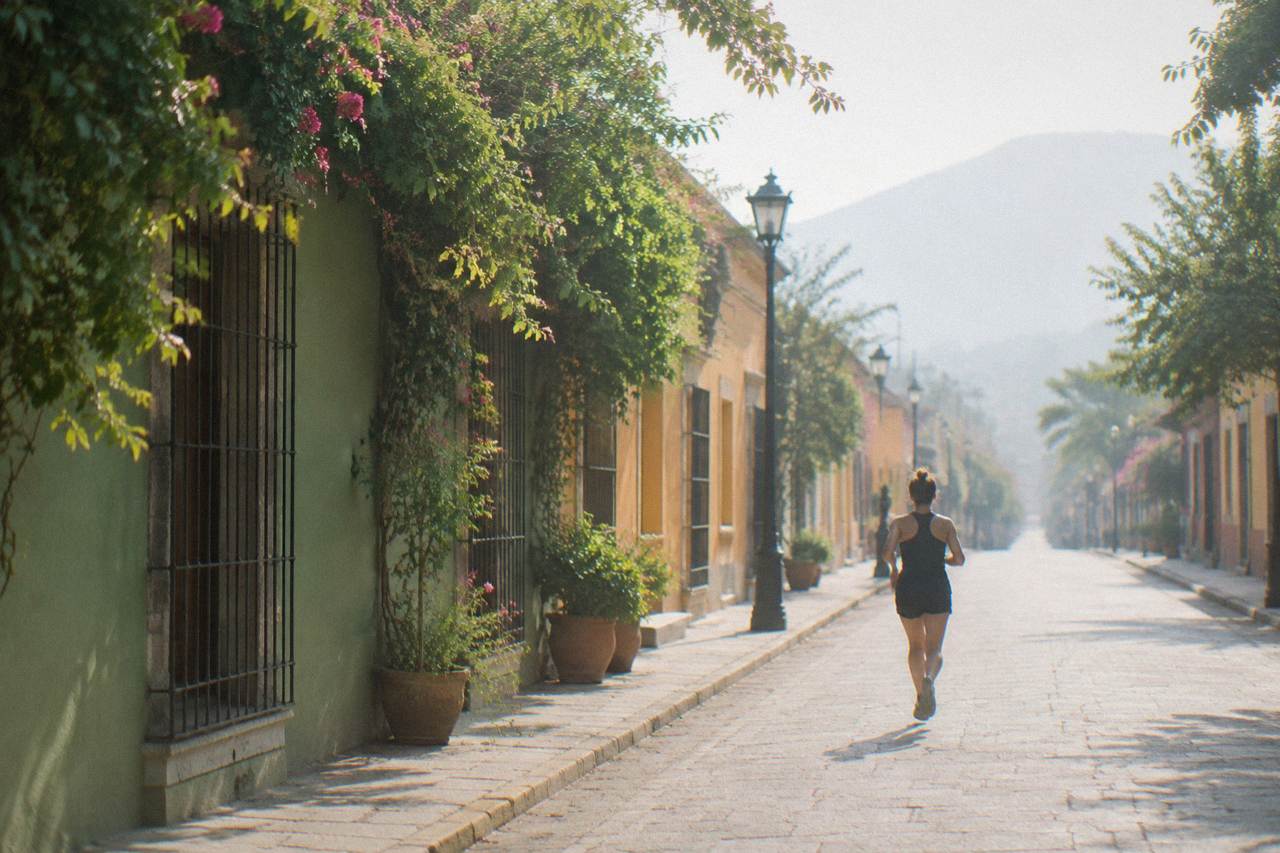
For a first visit, the Centro Histórico is the part of Oaxaca City where staying makes the most practical sense: it puts the Zócalo, the Andador Macedonio Alcalá, Santo Domingo de Guzmán, the Basílica de la Soledad and the main museums within a short walk of your door, and the valleys' day-trip transport and tours depart from or near it. Travellers who want a quieter street and residential feel choose Jalatlaco or Xochimilco, both adjacent neighbourhoods that walk into the centre in minutes.
The Centro Histórico is the UNESCO-listed core of the city, inscribed together with Monte Albán as the property "Historic Centre of Oaxaca and Archaeological Site of Monte Albán". Its sights cluster tightly: the Zócalo (formally the Plaza de la Constitución), the cathedral, the Andador Macedonio Alcalá running from the Zócalo toward Santo Domingo, the Jardín Etnobotánico beside the church, and the Museo de las Culturas de Oaxaca in the former convent, open Tuesday to Saturday only, 10:00 to 16:00, with entry at 105 MXN for nationals and 210 MXN for foreign visitors.
Staying inside this grid means you rarely need transport in the evening. It also means you are inside the zone where festival activity concentrates. During Guelaguetza in July and Día de Muertos, the centre is where the parades, the Zócalo decorations and the street life are, and that cuts both ways: atmosphere on your doorstep, and noise with it. The where to stay in Oaxaca guide breaks the same question down by budget tier and hotel style.
Is The Centro Histórico The Best Base For Sightseeing In Oaxaca?
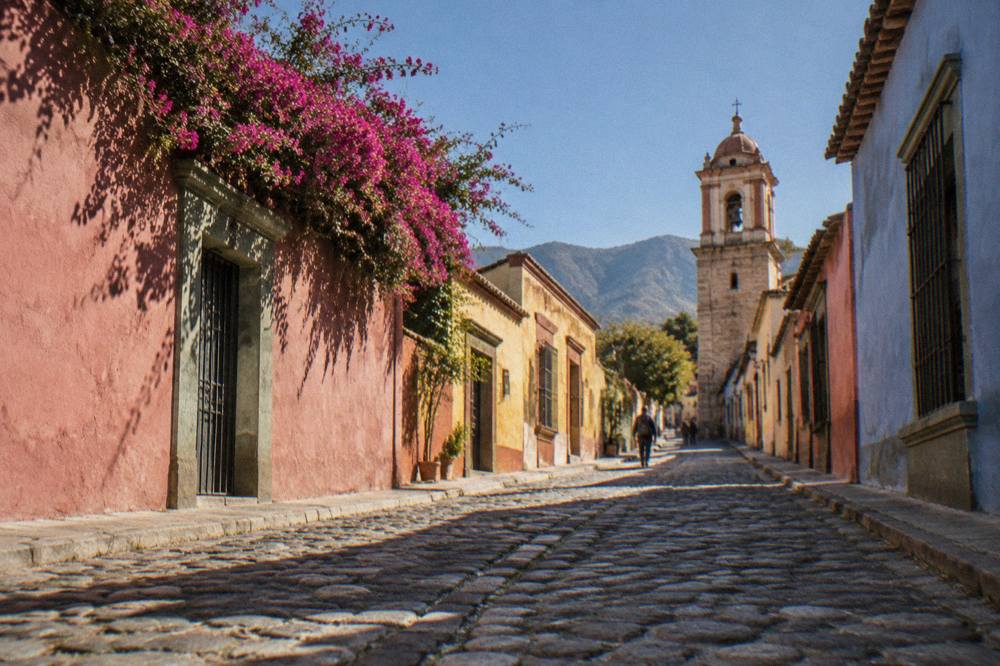
Yes, for pure sightseeing the Centro Histórico is the strongest base in Oaxaca City, because the overwhelming majority of the listed sights are inside it or on its edge: the Zócalo, Santo Domingo de Guzmán, the Museo de las Culturas, the Jardín Etnobotánico, the Museo Textil de Oaxaca, the Rufino Tamayo museum, the Basílica de la Soledad and the Andador Macedonio Alcalá are all an easy walk apart, and no bus or taxi is needed to move between them.
The practical detail worth knowing is which sights keep short or unusual hours, because that shapes a Centro-based day more than distance does. The Museo de las Culturas de Oaxaca opens Tuesday to Saturday only, so Monday is not a museum day for that one. The Jardín Etnobotánico runs free guided tours Monday to Friday at 10:30, 11:00, 11:30, 12:00 and 17:00, and on Saturdays from 10:30 to 12:00, with large and school groups asked to book two weeks ahead. Those fixed slots are the reason a central base helps: you can walk over for a morning slot and be back at the Zócalo by lunch.
The centre is also the departure point for almost every organised day trip in the region. Monte Albán is about a 15 minute drive from the Zócalo, Santa María del Tule about 11, Teotitlán del Valle about 26 and Mitla about 37, and tours to Hierve el Agua, about 57 minutes away, pick up in or near the centre. The Oaxaca in one day guide shows how much of the centre can be covered on foot.
A short guided walk is the fastest way to learn the layout before committing to a neighbourhood, and the Oaxaca Walking Tour covers culture and food, with live availability on the operator's booking page.
Should You Stay In Jalatlaco Or Xochimilco In Oaxaca?
Jalatlaco and Xochimilco are the two neighbourhoods that sit directly beside the Centro Histórico, and both suit travellers who want a calmer street while keeping the centre walkable: Jalatlaco, immediately east of the centre, is known for its murals and its free street-art walks, while Xochimilco, just north of it, is a quieter residential quarter with its own church and a stretch of the old aqueduct, and both reach the Zócalo on foot in well under half an hour.
Jalatlaco's identity on this site's own coverage is street art: the Jalatlaco guide and the street art guide document the mural scene concentrated there, and several of the free, tip-based walking tours in the city tour list run Jalatlaco street-art routes. Xochimilco, a distinct neighbourhood from the better-known Mexico City district of the same name, is covered in its own guide as a quieter quarter whose name predates the colonial city.
Neither neighbourhood puts you at a disadvantage for day trips, since pickups generally start in or near the centre and both are minutes from it on foot. The trade is simple: slightly fewer restaurants and services on your own street, in exchange for less late-night noise than the blocks immediately around the Andador Macedonio Alcalá and the Zócalo.
Where Can You Stay In Oaxaca Outside The Centre?
South of the Centro Histórico, around the Mercado 20 de Noviembre and Mercado Benito Juárez, is the main alternative base in Oaxaca City: it puts you next to the city's food markets, it generally costs less than the core blocks, and it still walks into the Zócalo in ten to fifteen minutes, while Reforma and the Paseo Juárez el Llano area to the north offer a leafier, more residential option beside the centre.
The market district rewards a particular kind of traveller: someone who wants to eat where the city eats and does not mind a scruffier street. Mercado 20 de Noviembre is the city's key food market, founded in 1893, with a Saturday tianguis element; Mercado Benito Juárez, inaugurated in 1894, is the historic central market near the Zócalo. This site's guides to Mercado 20 de Noviembre and the markets area cover both in detail. Exact market opening hours are not published in official sources, so plan around mornings and early afternoons.
North of the centre, the Reforma district and the Paseo Juárez el Llano park form a greener, calmer belt that still sits within an easy walk of Santo Domingo. Santa Lucía del Camino and Xoxocotlán, further out toward the airport, are where several large venues sit, including the Centro Cultural y de Convenciones where the Feria del Mezcal runs in July, but they are working suburbs rather than visitor bases. The rest of the planning pages sit on Oaxaca Travel Guide.
How Do You Choose A Neighbourhood In Oaxaca By Trip Style?
Choose the Centro Histórico if sightseeing and festival atmosphere are the priority, Jalatlaco if street art and a quieter evening matter, Xochimilco for a residential feel close to the centre, and the market district south of the centre for food-first trips, while visitors who plan heavy day-trip itineraries toward Monte Albán, Mitla and Hierve el Agua should stay anywhere central, since all valley tours depart from the centre regardless.
The table below summarises the practical differences using only what this site's coverage states.
| Neighbourhood | Position | Character | Walk to Zócalo | Best for |
|---|---|---|---|---|
| Centro Histórico | Core, UNESCO-listed | Plazas, museums, Andador Macedonio Alcalá | You are in it | First visits, sightseeing, festivals |
| Jalatlaco | East of centre | Murals, street art, calmer streets | Short walk | Street art, quieter nights |
| Xochimilco | North of centre | Residential, old aqueduct stretch | Short walk | Local feel near the centre |
| South of centre / mercados | Adjacent south | Food markets, everyday commerce | About 10-15 minutes | Food-first trips, lower cost |
| Reforma / el Llano | North of centre | Leafier, residential, park | Short walk | Quieter longer stays |
Day-trip logistics barely change between these options, because the valley's destinations all sit a short drive from the Zócalo and tours pick up centrally. The drive times below are free-flow estimates; real traffic and mountain roads are slower.
| Destination from the Zócalo | Approximate drive time |
|---|---|
| Monte Albán | About 15 minutes |
| Santa María del Tule | About 11 minutes |
| Teotitlán del Valle | About 26 minutes |
| Tlacolula | About 25 minutes |
| Mitla | About 37 minutes |
| Hierve el Agua | About 57 minutes |
Two further practical points apply wherever you book. The state lodging tax (Impuesto al Hospedaje) is 3 percent on hotel-type stays, and 5 percent where an intermediary or platform is involved, under decree 884 published 10 December 2025, so the price you see on a platform and the price a hotel quotes directly may not treat tax the same way. And Oaxaca City is genuinely walkable, which is the single biggest reason the neighbourhood choice matters less than in most cities this size; the is Oaxaca a walkable city answer covers the details.
For timing the trip itself, the best month to visit Oaxaca answer and the climate guide set out the dry season from November to April and the rainy season from May to October, with June averaging 188.3 mm of rain against 2.4 mm in January, per the SMN station normals.
What Should You Know About Booking A Stay In Oaxaca During Festivals?
Oaxaca City's two big calendar events, Guelaguetza in July and Día de Muertos around 31 October to 2 November, fill the Centro Histórico first, so anyone visiting for either festival should book well ahead and expect central streets to be busy late into the evening, while the 2026 Guelaguetza ticket prices, Palco A at 1,632 MXN and Palco B at 1,321 MXN with Palcos C and D free, give a reference for what the 2026 edition charged, though 2027 dates and prices are not announced.
The standing pattern for Guelaguetza is two Mondays in July, the Lunes del Cerro, at the Auditorio Guelaguetza on the Cerro del Fortín, a short distance west of the centre, with related calendas and convites through the month. The Cerro del Fortín is close enough to the centre that staying anywhere in the neighbourhoods above works for the festival; the auditorium is reached from the city without a long transfer.
For Día de Muertos, the traditional dates centre on 31 October to 2 November, with cemetery visits and comparsas concentrated in those nights and neighbourhoods such as Jalatlaco decorated for them. The full 2026 programme is not announced, so the practical advice for accommodation is calendar-based: the centre is where the decorated streets and the evening activity are, and a base in Jalatlaco or the centre puts you inside that without transport at night.
Common Questions About Where To Stay In Oaxaca
What Part Of Oaxaca Is Best To Stay In?
The Centro Histórico is the most practical base for a first visit to Oaxaca City, with Jalatlaco and Xochimilco as quieter walkable alternatives beside it and the market district south of the centre for food-focused trips.
Is It Better To Stay Near The Zócalo Or Santo Domingo In Oaxaca?
Both are inside the Centro Histórico and a few minutes apart on foot along the Andador Macedonio Alcalá, so the choice comes down to the individual hotel rather than the block, and neither location requires transport for the central sights.
Can You Walk From Jalatlaco To The Centre Of Oaxaca?
Yes. Jalatlaco sits directly beside the Centro Histórico, and the Zócalo is a short walk away, which is why it works as a quieter base for sightseeing.
Where Should You Stay In Oaxaca For Day Trips?
Anywhere central works, because valley tours and transport to Monte Albán, Mitla and Hierve el Agua depart from or near the centre, and Monte Albán is only about a 15 minute drive from the Zócalo.
Is The Area Around The Markets A Good Place To Stay In Oaxaca?
It suits food-first travellers: Mercado 20 de Noviembre and Mercado Benito Juárez are the city's historic central markets, the streets are more everyday than polished, and the Zócalo remains a walk of roughly ten to fifteen minutes.
Does It Matter Where You Stay In Oaxaca City?
Less than in most cities, because the centre, Jalatlaco, Xochimilco and the market district are all within walking distance of one another and the main sights, so the decision mostly trades noise and price against convenience.
A final word on method: everything on this page about hours, fees, taxes and distances comes from published official figures or this site's own sourced guides, and the neighbourhood descriptions rest on what those guides state rather than on atmosphere. Pick the neighbourhood that matches your evenings, because your days will look much the same from any of them.