Museo De Las Culturas De Oaxaca: Tomb 7 Gold And The Convent
The Museo de las Culturas de Oaxaca sits inside the former Santo Domingo de Guzmán convent in Oaxaca City, a short walk from the Zócalo. Here are its hours, its INAH ticket prices, and how to plan a visit around the church, the Jardín Etnobotánico and the rest of the Centro Histórico.
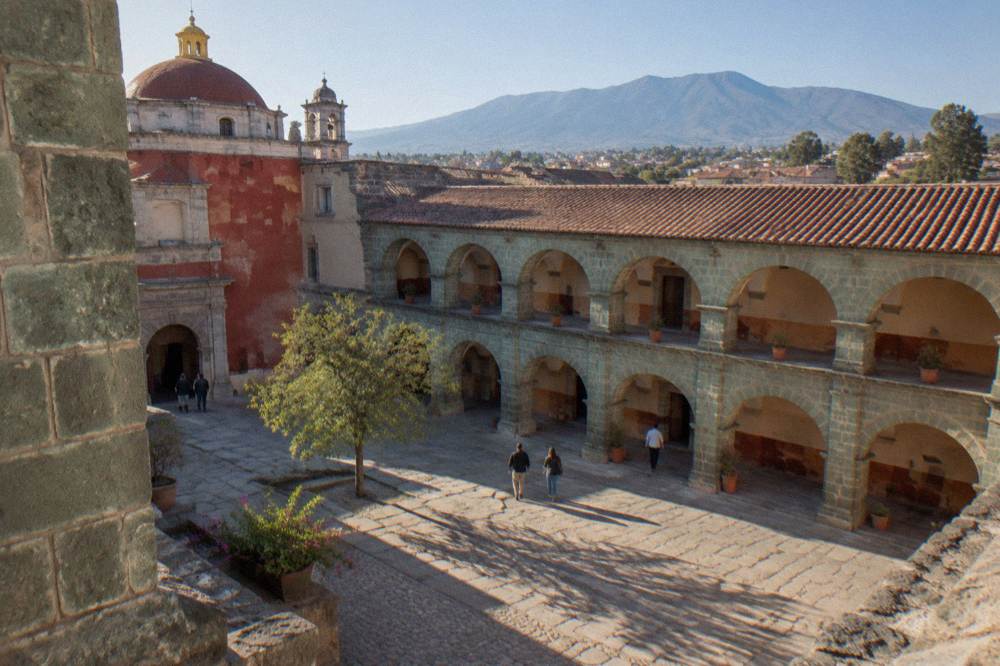
The Museo de las Culturas de Oaxaca is open Tuesday to Saturday, 10:00 to 16:00, and closed on Sunday and Monday. Entry, per the INAH listing, is 105 MXN for Mexican nationals and 210 MXN for foreign visitors. It is part of the Santo Domingo complex in Oaxaca City, together with the church and the Jardín Etnobotánico.
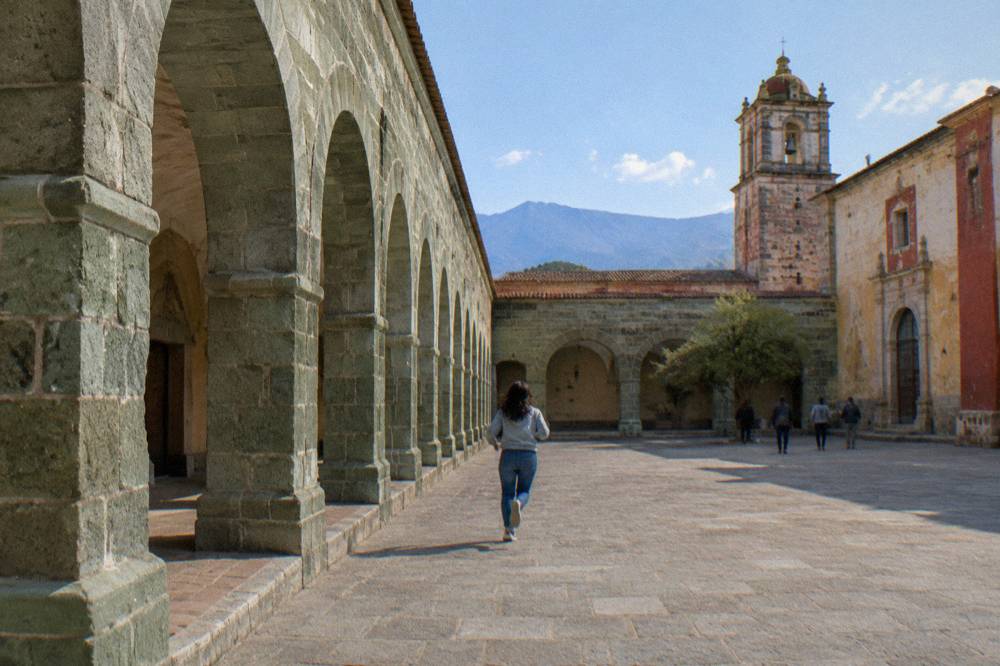
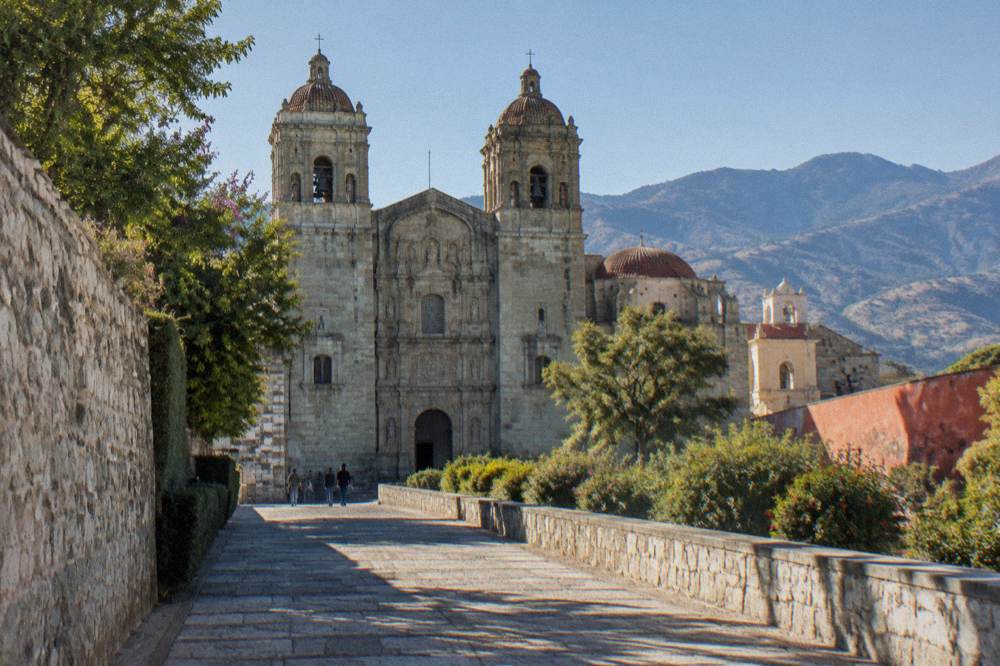
The Museo de las Culturas de Oaxaca occupies the former convent of Santo Domingo de Guzmán in Oaxaca City, the inland highland capital of the state of Oaxaca at about 1,550 m, and it holds the gold of Tomb 7 from Monte Albán. The museum is run by INAH, Mexico's national institute of anthropology and history, and it sits in the middle of the Santo Domingo complex together with the still-active church and the Jardín Etnobotánico.
What Are The Museo De Las Culturas De Oaxaca Hours And Ticket Prices?
The Museo de las Culturas de Oaxaca is open Tuesday to Saturday from 10:00 to 16:00, and it is closed on Sunday and Monday. Entry, as listed by INAH, is 105 MXN for Mexican nationals and 210 MXN for foreign visitors, the same Category I pricing charged at Monte Albán, Mitla and Yagul. The museum is housed in the former Santo Domingo de Guzmán convent in Oaxaca City.
Two details in that answer catch out a lot of itineraries. The first is the closing day pair: Sunday, the day many visitors reserve for the Centro Histórico, is a closed day here, and so is Monday. A plan that puts the museum on a Sunday fails before it starts. The second is that the fee category is shared, so a visitor holding a Monte Albán or Mitla ticket should not expect a discount at the museum; each INAH site charges its own entry. The prices are in pesos and are paid as printed, never converted.
The INAH listing for the museum also carries a figure for visits outside normal hours: 730 MXN. That same out-of-hours figure appears on the Yagul, Lambityeco and Atzompa pages, so it reads as a standard INAH arrangement rather than a museum-specific one. Anyone interested should expect to arrange it through INAH channels rather than at the ticket desk.
For structure, the museum's own hours sit inside a wider Santo Domingo day. The church is a separate visit, the garden runs its own guided-tour clock, and the museum's Tuesday-to-Saturday window has to anchor the whole plan. Midweek is therefore the natural fit: museum in the morning, a garden tour slot around midday, and the church and the Andador Macedonio Alcalá afterwards.
How Does The Museum Fit Into The Santo Domingo Complex In Oaxaca City?
The museum, the church of Santo Domingo de Guzmán and the Jardín Etnobotánico form one complex in Oaxaca City's Centro Histórico, a short walk from the Andador Macedonio Alcalá and the Zócalo. The museum occupies the former convent building, the church functions as a parish church, and the garden offers free guided tours on a fixed schedule that does not run on Sunday.
The practical sequencing matters more than the architecture. The garden's guided tours run Monday to Friday at 10:30, 11:00, 11:30, 12:00 and 17:00, and Saturday between 10:30 and 12:00, with large and school groups required to book two weeks ahead per the state release of 18 August 2025. The museum opens at 10:00 and closes at 16:00, Tuesday to Saturday. Put those two schedules side by side and Saturday is the tight day: the garden's last Saturday slot starts at 12:00, and the museum still needs its own hours.
A workable Tuesday-to-Friday shape looks like this: museum at 10:00 when it opens, a garden tour at 12:00 or the 17:00 slot if the afternoon is free, and the church in between, since the church is not bound by the museum's window. On Saturday the order reverses, garden first, museum after. Sunday works for the church, the Zócalo and the walking streets, but not for the museum.
| Part of the complex | Days open | Hours | Cost |
|---|---|---|---|
| Museo de las Culturas de Oaxaca | Tuesday to Saturday | 10:00 to 16:00 | 105 MXN nationals, 210 MXN foreigners |
| Jardín Etnobotánico guided tours | Monday to Saturday | Mon-Fri 10:30, 11:00, 11:30, 12:00, 17:00; Sat 10:30 to 12:00 | Free, groups book two weeks ahead |
| Santo Domingo de Guzmán church | See the church page | See the church page | See the church page |
The complex sits inside the UNESCO World Heritage property "Historic Centre of Oaxaca and Archaeological Site of Monte Albán", inscribed as property 415, which covers both the city core and the ruins on the hill above it.
The 2026 restoration note is worth a line too: INAH supervised the removal of graffiti from roughly 560 square metres of the convent's perimeter wall on Berriozábal street, work that began in January 2026 and was scheduled to conclude in April 2026. By October 2026 the museum was operating normally, and the state's closure sweep found no museum in Oaxaca shut for renovation, with the Rufino Tamayo museum having reopened in August 2025 after more than three years closed.
What Is Tomb 7 And Why Is Its Gold In This Museum?
Tomb 7 is a burial from Monte Albán whose gold treasure is the signature holding of the Museo de las Culturas de Oaxaca, displayed in the former convent in Oaxaca City rather than at the archaeological site itself. Monte Albán recorded 416,675 visitors in 2025, but the tomb's gold is seen in the city museum, which is why the two visits pair naturally on one ticket-free day of planning.
The split between site and museum is the point to plan around. Monte Albán, about 15 minutes by road from the Zócalo per the derived drive-time figure, is an open-air zone open Monday to Sunday 08:00 to 17:00 with last access at 16:00, charging the same Category I prices as the museum. The museum in the city holds the excavated material. A visitor who does the ruins in the morning and the museum the same afternoon, on any day Tuesday to Saturday, gets both halves of the story; a visitor who does Monte Albán on Sunday arrives at a museum that is closed.
The museum's own visitor draw is part of the wider city numbers: 1,324,332 tourist arrivals in Oaxaca City across 2025, of which 1,111,799 were national and 212,533 foreign, with hotel occupancy at 51.73 percent and an average stay of 2.00 nights per the state tourism indicators. A two-night average stay means many visitors have exactly one or two full days, and with the museum closed two days a week the calendar decides a lot.
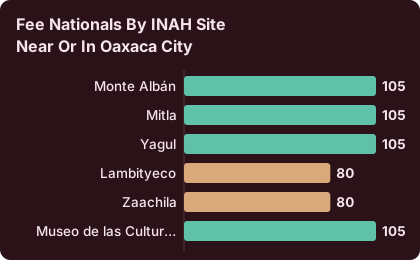
| INAH site near or in Oaxaca City | Days open | Last access | Fee nationals MXN | Fee foreigners MXN | 2025 visitors |
|---|---|---|---|---|---|
| Monte Albán | Monday to Sunday | 16:00 | 105 | 210 | 416,675 |
| Mitla | Monday to Sunday | 16:30 | 105 | 210 | 104,428 |
| Yagul | Monday to Sunday | 16:00 | 105 | 210 | 10,185 |
| Lambityeco | Monday to Sunday | 16:30 | 80 | 145 | 5,545 |
| Zaachila | Thursday to Sunday only | closes 16:00 | 80 | 145 | 4,229 |
| Museo de las Culturas de Oaxaca | Tuesday to Saturday only | closes 16:00 | 105 | 210 | not itemised |
The fee column tells the INAH category story at a glance: Monte Albán, Mitla and Yagul are Category I sites at 105 and 210 MXN, Dainzú, Lambityeco and Zaachila are Category III at 80 and 145 MXN, and the museum prices with Category I. Zaachila's Thursday-to-Sunday window and the museum's Tuesday-to-Saturday window overlap on only three days, Thursday, Friday and Saturday, which matters for anyone stringing both into one trip.
How Much Time Should You Give The Museum And The Complex?
A visit to the Museo de las Culturas de Oaxaca fits comfortably inside the museum's 10:00 to 16:00 window on any Tuesday to Saturday, with the Tomb 7 material, the convent building and the Jardín Etnobotánico tour together filling a morning and an early afternoon in Oaxaca City. The average visitor stay in the city is 2.00 nights, so one well-planned day usually has to carry the whole complex.
The museum's six-hour daily window, the garden's fixed tour slots and the church's independent access are the three clocks, and the day is built by slotting them rather than by guessing durations. Anyone wanting a guided frame for the surrounding streets can pair the day with a walking option; the street art walk led by a working artist, which covers the mural culture of the Centro Histórico, is a natural afternoon follow-on, and you can Check availability on the operator's booking page.
Which Other Oaxaca City Museums Should You Combine With It?
The Museo de las Culturas de Oaxaca anchors a museum day in Oaxaca City that can also take in the Museo Textil de Oaxaca, the Museo de Arte Prehispánico de México Rufino Tamayo and the streets of the Centro Histórico, all within walking range of the Zócalo. The Museo de las Culturas has its own published hours and fees, so the others are planned by location and by their own published details, not by figures repeated here.
The Rufino Tamayo museum carries a 2026-relevant fact: it reopened in August 2025 after more than three years closed, following a state restoration intervention of about 6.1 million MXN. The Museo de las Culturas itself was operating normally in the October 2026 closure sweep, and MACO, the contemporary art museum, had earlier resolved administrative issues and reopened under state management. In other words, the city's museum circuit is fully assembled again, and the closure risk that shaped plans in earlier years has passed. The full index of guides sits on Oaxaca Travel Guide.
| Museum | Status | Ticketed |
|---|---|---|
| Museo de las Culturas de Oaxaca | Open, normal operations | Yes: Tue to Sat 10:00 to 16:00; 105 / 210 MXN |
| Museo de Arte Prehispánico Rufino Tamayo | Reopened August 2025 after restoration | No |
| Museo Textil de Oaxaca | Operating | No |
| MACO, Museo de Arte Contemporáneo de Oaxaca | Reopened under state management | No |
The honest way to use that table is as a status check, not a schedule.
What Is Near The Museum For The Rest Of The Day?
Within a short walk of the Museo de las Culturas de Oaxaca are the Santo Domingo church, the Jardín Etnobotánico, the Andador Macedonio Alcalá, the Zócalo, the Oaxaca Cathedral and the markets of the Centro Histórico, including Mercado 20 de Noviembre. Monte Albán is about 15 minutes away by road, and the Tule tree about 11 minutes, per the derived drive times, so the valley sites stack onto the same day.
The drive-time figures are derived from road-network data, so they carry "about" and assume free flow; real traffic and mountain roads are slower. Used as a ranking, though, they tell the story of the valley: Monte Albán at about 15 minutes and Santa María del Tule at about 11 are the near pair, Teotitlán del Valle at about 26 minutes and Tlacolula at about 25 sit just beyond, Ocotlán at about 37, Mitla at about 37 and Yagul at about 38 form the middle ring, and Hierve el Agua at about 57 minutes is the far reach of a standard day trip from the city.
| Destination from the Zócalo | About how far by road |
|---|---|
| Monte Albán | 8.7 km, about 15 minutes |
| Santa María del Tule | 10.2 km, about 11 minutes |
| Teotitlán del Valle | 29.2 km, about 26 minutes |
| Tlacolula | 31.2 km, about 25 minutes |
| Mitla | 44.6 km, about 37 minutes |
| Hierve el Agua | 67.1 km, about 57 minutes |
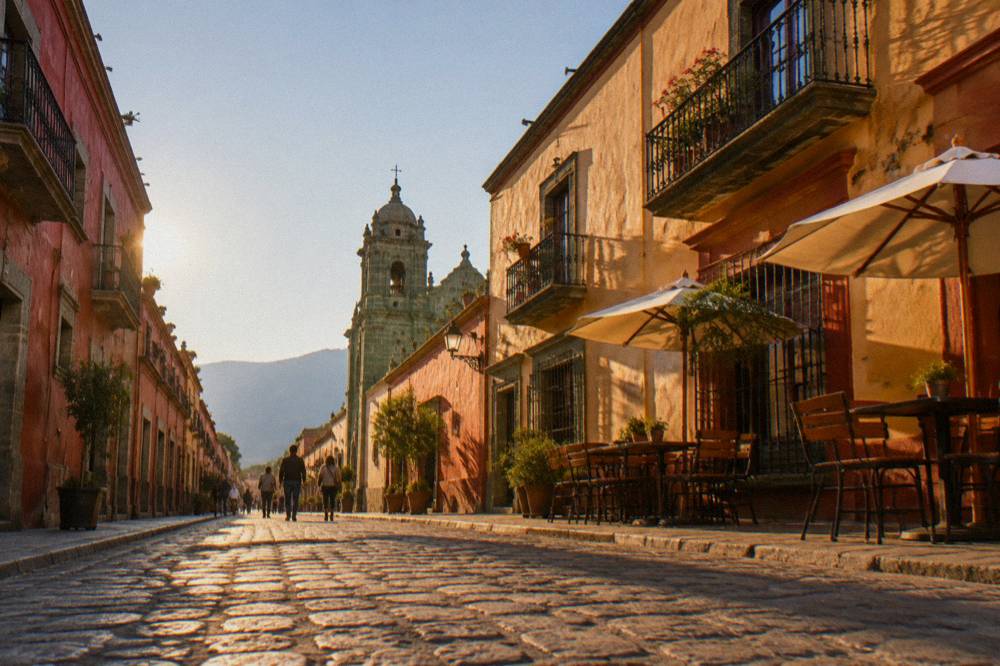
Back inside the city, the walking core holds together without any vehicle at all. The museum complex sits at one end of the Andador Macedonio Alcalá, the pedestrian spine that runs down toward the Zócalo, with the cathedral on that square and the Mercado 20 de Noviembre and Mercado Benito Juárez a few blocks south. That geometry is why the museum pairs so well with a food or market experience: the walk from Santo Domingo to the market quarter passes straight through the heart of the UNESCO-listed core.
When Is The Best Time Of Year To Visit Oaxaca City And The Museum?
The museum's Tuesday-to-Saturday schedule does not change with the seasons, so the choice is about the city: Oaxaca City's dry season runs November to April, with January averaging just 2.4 mm of rain, and the rainy season runs May to October, with June averaging 188.3 mm per the SMN station normals. April has the highest average daily high at 34.9 C, and December to January bring the lowest average nights at 11.0 C and 10.3 C.
Because the museum is an indoor visit with fixed hours, rain matters less here than for Monte Albán or Hierve el Agua. A rainy-season afternoon that washes out a ruins visit still works for the museum, the church and the markets, provided the day is not a Sunday or Monday. The flip side is festival demand: late October and early November around Día de Muertos, and July around the Guelaguetza, are the periods when the city fills, and hotel occupancy and flight capacity tighten before the museum's own schedule changes at all.
| Month | Average high C | Average low C | Average rain mm |
|---|---|---|---|
| January | 28.9 | 10.3 | 2.4 |
| April | 34.9 | 15.8 | 47.3 |
| June | 30.9 | 16.7 | 188.3 |
| September | 29.1 | 16.1 | 163.6 |
| November | 29.0 | 12.3 | 9.1 |
| December | 28.9 | 11.0 | 9.0 |
The figures come from the SMN station normals for Oaxaca, 1991 to 2020, so they are averages rather than forecasts. June's 188.3 mm and September's 163.6 mm are the two heavy months; November's 9.1 mm and December's 9.0 mm mark the dry-season return that coincides with the busiest festival calendar. The Día de Muertos guide covers the late-autumn period, and the Noche de Rábanos page covers the December tradition, whose fixed date is 23 December.
Is The Museo De Las Culturas De Oaxaca Worth The Entry Price?
At 105 MXN for nationals and 210 MXN for foreigners, the Museo de las Culturas de Oaxaca prices at INAH's Category I level, the same as Monte Albán and Mitla, while sitting in the Centro Histórico within walking distance of everything else in Oaxaca City's core. For a two-night average stay, it is the most accessible of the Category I visits because it needs no transport beyond your own feet.
The comparison is the honest way to answer a value question without inventing a review. Monte Albán drew 416,675 visitors in 2025 and Mitla 104,428, while the smaller Category III sites drew far fewer, Yagul 10,185, Lambityeco 5,545, Zaachila 4,229. The museum's own figure is not itemised in the state indicators, but its Category I pricing places it in the same fee band as the two biggest draws in the valley. What a visitor gets for that band, on this page's facts, is the Tomb 7 gold, the former convent building and a location at the centre of the walkable core.
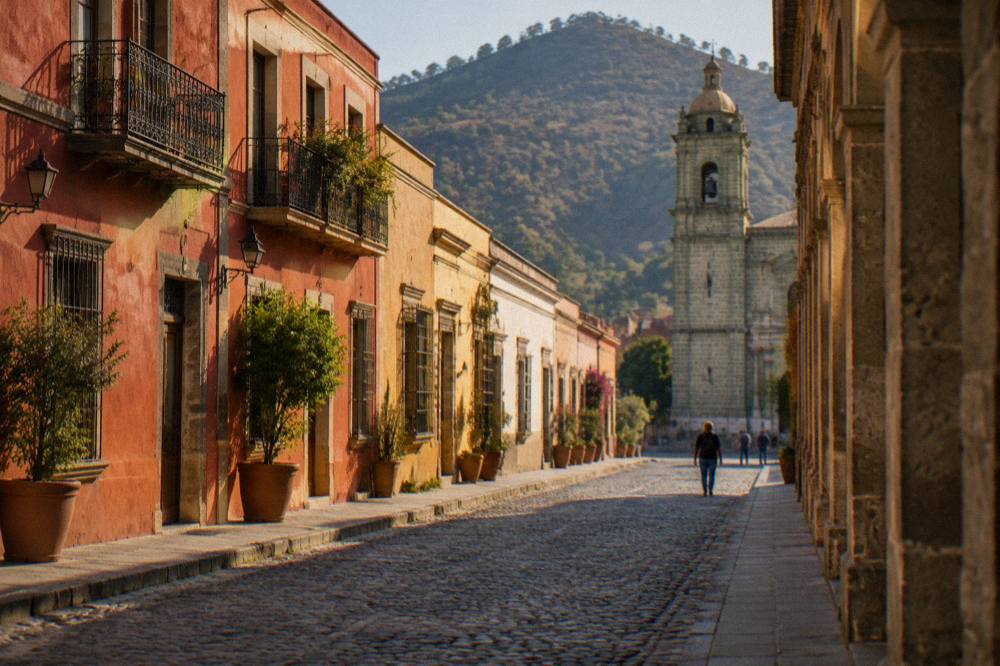
For travellers building the day around making as well as looking, Oaxaca City's workshop culture sits on the same streets.
How Do You Plan The Visit Around Closed Days And Festivals?
Plan the Museo de las Culturas de Oaxaca for a Tuesday, Wednesday, Thursday, Friday or Saturday between 10:00 and 16:00, keep Sunday and Monday for the church, the Zócalo, the markets and Monte Albán, and check the festival calendar before locking dates, since Guelaguetza fills July and Día de Muertos fills late October and early November in Oaxaca City.
The closed-day rule is the single most useful fact on this page. Sunday belongs to Monte Albán, which opens every day, to the valley sites and to the street life of the centre; Monday repeats the pattern. The museum then anchors the midweek. Visitors arriving for a long weekend that spans Sunday and Monday should front-load the ruins and the markets and hold the museum for Tuesday.
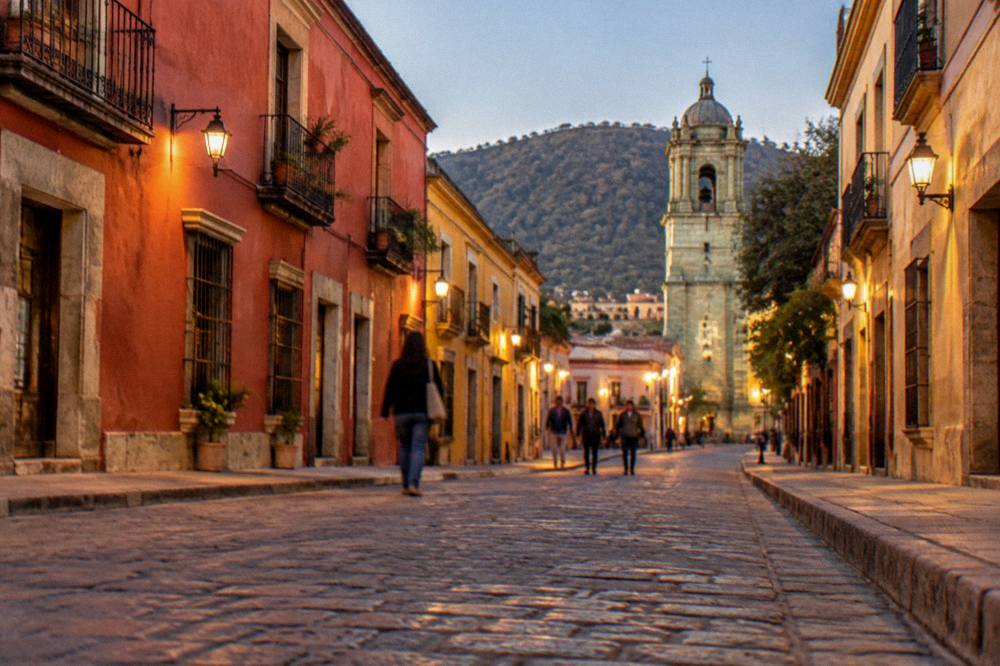
Festival timing changes the city around the museum rather than the museum itself. The Guelaguetza runs on two Mondays in July, 20 and 27 July in the 2026 edition, with performances at 10:00 and 17:00 at the Auditorio Guelaguetza on the Cerro del Fortín, tickets at 1,632 MXN for Palco A and 1,321 MXN for Palco B plus fees through Superboletos, and free seating in Palcos C and D; 2027 dates are not announced. The Día de Muertos programme follows its standing late-October-to-early-November pattern centred on the traditional dates of 31 October to 2 November, and the 2026 programme has not been announced. Noche de Rábanos keeps its traditional 23 December date, with the 2026 edition likewise unannounced. None of these change the museum's hours, but all of them change how busy the surrounding streets are.
A final practical note on money: the state lodging tax is 3 percent on hotel-type stays, 5 percent where an intermediary platform is involved, per the state fiscal law updated in December 2025. It appears on the hotel bill, not at the museum door, but it answers a question that catches visitors comparing their folio against quoted rates.
For the food half of the day, the cooking class below covers the market-to-table arc that sits a few blocks from the museum's door.
Common Questions About The Museo De Las Culturas De Oaxaca
Is The Museo De Las Culturas De Oaxaca Open On Sunday?
No. The museum is open Tuesday to Saturday only, from 10:00 to 16:00, and closed on Sunday and Monday. Sundays in Oaxaca City are better spent at Monte Albán, which opens every day, or around the Zócalo and the markets.
How Much Does The Museo De Las Culturas De Oaxaca Cost?
Entry is 105 MXN for Mexican nationals and 210 MXN for foreign visitors, per the INAH listing. That is the same Category I pricing as Monte Albán, Mitla and Yagul.
Where Is The Museo De Las Culturas De Oaxaca?
It is inside the former Santo Domingo de Guzmán convent in Oaxaca City's Centro Histórico, within the UNESCO World Heritage property "Historic Centre of Oaxaca and Archaeological Site of Monte Albán", a short walk from the Andador Macedonio Alcalá and the Zócalo.
Can You Combine The Museum With The Jardín Etnobotánico?
Yes, on the days both run. The garden's free guided tours run Monday to Friday at 10:30, 11:00, 11:30, 12:00 and 17:00, and Saturday from 10:30 to 12:00, with large and school groups booking two weeks ahead. Only Saturday overlaps with both venues' schedules in a single morning-to-noon frame.
Is The Tomb 7 Gold At Monte Albán Or In The Museum?
The Tomb 7 material from Monte Albán is held and displayed at the Museo de las Culturas de Oaxaca in the city, not at the archaeological site. This is why pairing a Monte Albán morning with a museum afternoon, Tuesday to Saturday, covers both.
Do Any Other Oaxaca INAH Sites Share The Museum's Closed Days?
No. Monte Albán, Mitla, Yagul, Dainzú and Lambityeco open Monday to Sunday. Zaachila is the exception, opening Thursday to Sunday 10:00 to 16:00 only, so its window overlaps the museum's on Thursday, Friday and Saturday.
The Museo de las Culturas de Oaxaca rewards the small amount of calendar work it demands: a Tuesday-to-Saturday slot, a 105 or 210 MXN ticket, a garden tour timed against the 10:30 to 17:00 schedule, and the rest of the Santo Domingo complex and the Centro Histórico laid out on foot around it.