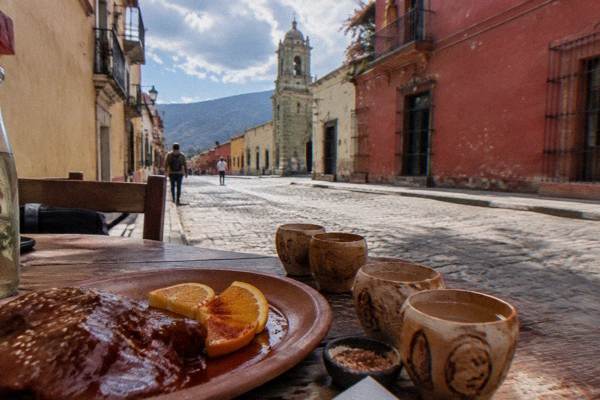
Is Mezcal The Poor Man's Tequila?
No, mezcal is not the poor man's tequila, and in Oaxaca City it never really was. What the nickname gets wrong, where mezcal comes from, and how to taste it in Oaxaca.
Oaxaca City, the inland highland capital of the state of Oaxaca in Mexico, is the place where the question "Is Mezcal The Poor Man's Tequila?" lands hardest, because here the spirit is not a budget stand-in for anything. It is the drink poured at festivals, paired with mole by certified sommeliers, and celebrated each July at a state fair of its own. The nickname survives abroad, mostly among people who met mezcal decades ago as a rough bottle with a worm in it. This page takes the question seriously and answers it from what verifiable sources say about Oaxaca, its valleys and its mezcal trade.
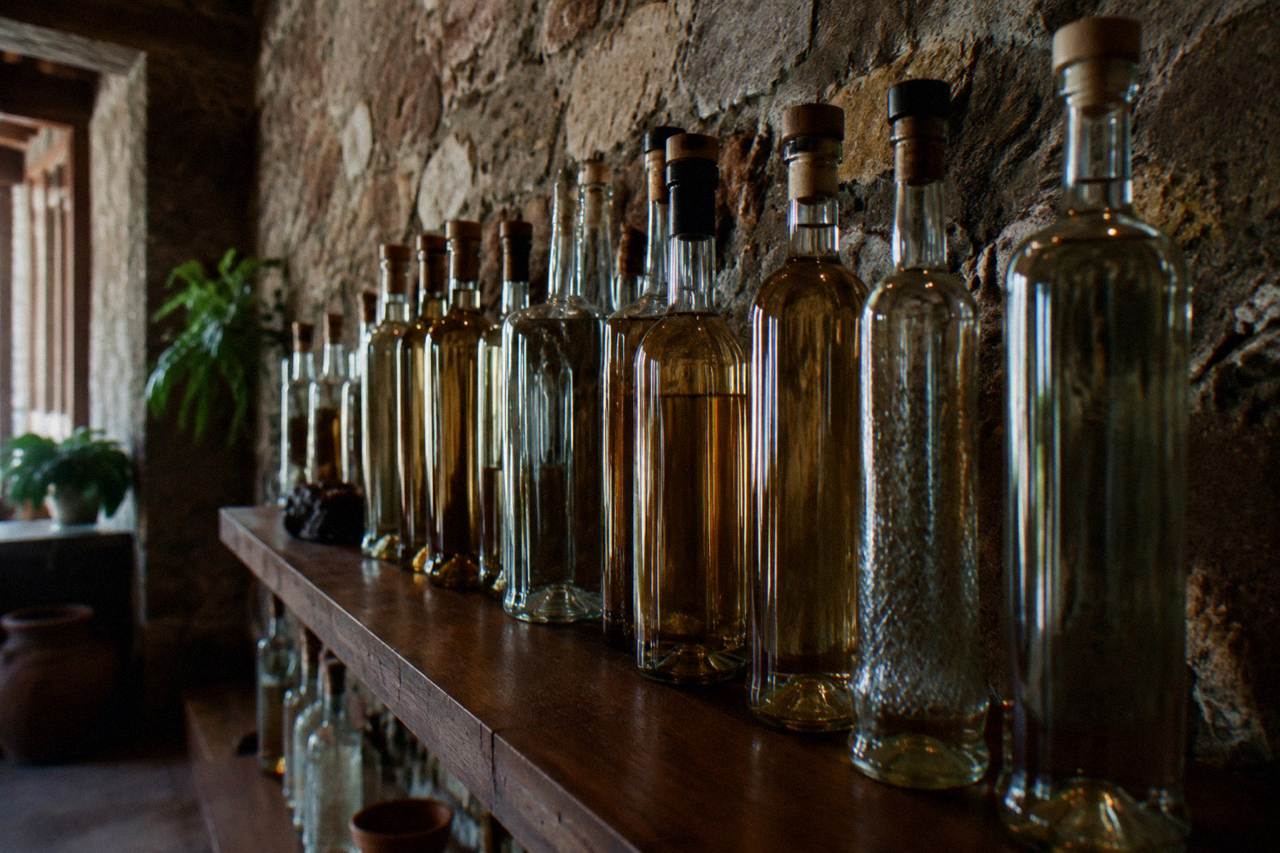
Is Mezcal The Poor Man's Tequila?
No. Mezcal is not the poor man's tequila; it is a separate category of spirit with its own protected-origin status, its own heartland in Oaxaca, and in this city a standing that has nothing to do with being cheap. Tastings, distillery visits and sommelier pairings are sold here as premium experiences, and the state throws a two-week fair in mezcal's honour every July. The nickname is a leftover from an older export era and does not describe the drink Oaxaca pours today.
Both tequila and mezcal carry protected-origin status in Mexican law, which means each name is tied to defined production areas and rules; the exact current parameters are a legal text of their own and belong to the regulator, not to a travel page. What matters for a visitor is geography. Tequila's home is Jalisco, hundreds of kilometres away. Mezcal's home is Oaxaca, and within Oaxaca the town of Santiago Matatlán is repeatedly described on state government pages as the "Capital Mundial del Mezcal", the world capital of mezcal, a title the town celebrates with its own fiestas and that sits about an hour's drive east of the city on the road toward Mitla.
That standing is not folklore marketing. The state government runs a summer fair dedicated to the spirit, the Feria del Mezcal, alongside the Guelaguetza festival each July, with hundreds of stands pouring mezcal and selling crafts. A drink honoured with its own fair in its own state capital is not positioned, by anyone involved, as a discount alternative to anything.
Why Does The Nickname Exist At All?
The nickname comes from an old price gap in export markets, not from anything intrinsic to the spirit or to Oaxaca. For years mezcal left Mexico as a cheap, rough-edged bottle while tequila built an international premium brand, so the comparison stuck. In Oaxaca itself the relationship runs the other way: mezcal is the local benchmark, and the experiences built around it here, from distillery visits to sommelier pairings, are priced and reviewed as headline activities.
Untangling the two spirits honestly means starting from what is verifiable rather than from bar-room lore. Mezcal and tequila are distinct protected categories. Both are distilled from agave, but the two names are not interchangeable, and one is not legally a cheaper subclass of the other. Which agaves, which regions and which methods each name permits is set out in the respective denomination-of-origin rules, and those rules are the regulator's to state.
The status gap the nickname describes was largely a marketing artefact. Tequila industrialised early and exported hard; mezcal's export story began later and for a long time rode on novelty bottles. That gap has closed in the markets where premium spirits are sold, and in Oaxaca it was never really open in the first place. This guide can find no serious Oaxacan source that treats mezcal as a lesser drink; the state's own communications do the opposite, dedicating fair infrastructure, free shuttle transport to Santiago Matatlán's mezcal fiesta and festival programming to it.
For a traveller, the practical question is not which spirit is cheaper but which experiences are worth the day. The city's tour list of mezcal products runs from short pairings in the centre to full distillery days in the countryside, and the guide to mezcal in Oaxaca breaks those options down by what each covers.
Where Does Oaxaca's Mezcal Actually Come From?
Mezcal in Oaxaca comes from the valleys and hills around the city, above all from Santiago Matatlán, which state government pages repeatedly call the Capital Mundial del Mezcal, roughly an hour's drive from the Zócalo on the road east toward Mitla. Palenques, the small distilleries where the spirit is made, cluster in and around that town, and several tours from Oaxaca City visit them with behind-the-scenes access. The agave landscapes of the Valles Centrales are part of the same picture.
State sources speak of many palenques in and around Santiago Matatlán, with references over the years ranging from dozens to over a hundred historically, and of production as a defining local trade rather than a sideline. The town's fiesta calendar and the free transport the state laid on for its major mezcal celebration both signal how central the trade is to the area. For visitors, the practical anchor is distance: the mezcal town sits on the eastern arm of the valley, the same direction as Tlacolula, Mitla and Hierve el Agua, which is why so many valley day trips fold a distillery stop into a bigger loop.
That geography shapes the product. Some experiences sold from Oaxaca City are tastings that never leave the centre; others drive out through agave fields to working family distilleries; others still pair mezcal with mole in a guided tasting led by a certified sommelier. The mezcal route through Santiago Matatlán covers how to approach the town independently, and the Sunday market at Tlacolula sits on the same eastern corridor for anyone building a full valley day.
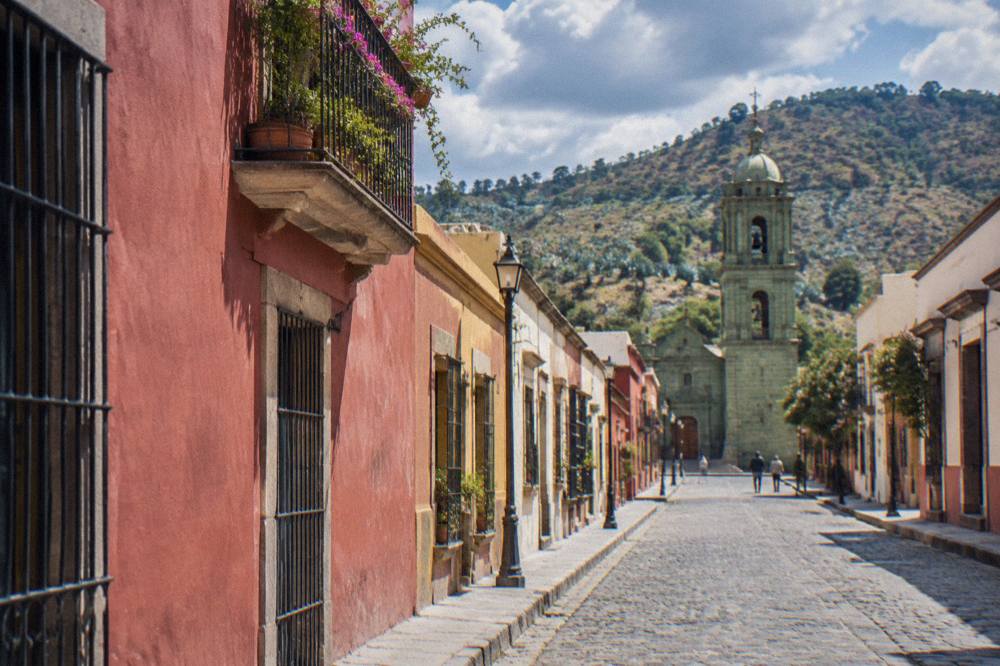
The tour list below shows how the city's bookable mezcal experiences differ by what they cover, from a countryside distillery day to a seated pairing.
| Experience (from the city tour list) | Kind | Where It Runs |
|---|---|---|
| Sustainable Mezcal Sightseeing Tour at an Award-Winning Family Distillery | mezcal-tastings | Oaxaca City departure |
| Mezcal Tour with Behind-the-Scenes Access | mezcal-tastings | Oaxaca City departure |
| 7 Mezcal-Mole Pairings with a Certified Sommelier | mezcal-tastings | Oaxaca City |
| Oaxaca Countryside: Agave Fields and Mezcal | mezcal-tastings | Central Valleys |
| Mixology Workshop with Organic Mezcal | mezcal-tastings | Oaxaca City |
What Does The Feria Del Mezcal Tell You About Mezcal's Standing?
The Feria del Mezcal, reported at 17 to 28 July 2026 at the Centro Cultural y de Convenciones de Oaxaca in Santa Lucía del Camino, with entry of about 80 MXN and hundreds of stands, is a two-week state fair dedicated entirely to mezcal. An entire state does not build a fair, a venue and a festival programme around a drink it considers the poor man's anything. The fair runs as part of the Guelaguetza month each July.
The details of the 2026 edition come from state tourism communications and should be confirmed against the official programme before you plan around them: the reported dates are 17 to 28 July, the venue is the CCCCO in Santa Lucía del Camino on the city's edge, and reported access was about 80 pesos, a local cost in MXN as always. Stand counts were reported in the hundreds, mixing mezcal producers with food and crafts sellers, and the state's communications framed the fair as a anchor of the wider July festival programme.
The Guelaguetza context matters because it shows the layering. Lunes del Cerro, the two Mondays of dance on the Cerro del Fortín, drew national and international visitors in 2026, with paid seats at 1,632 and 1,321 pesos and free sections alongside, and the mezcal fair ran as a satellite event of that same month. Mezcal is not the side note to Oaxaca's festivals; it is poured at them, sold at them and fêted by them.
| Feria Del Mezcal 2026 | Detail |
|---|---|
| Dates | 17 to 28 July 2026 |
| Venue | Centro Cultural y de Convenciones de Oaxaca, Santa Lucía del Camino |
| Entry | About 80 MXN |
| Scale | Hundreds of stands reported |
| Context | Part of the July Guelaguetza programme |
How Should You Actually Taste Mezcal In Oaxaca?
Taste mezcal the way Oaxaca serves it: as a focused experience rather than a quick shot. Practical options from the city are a distillery visit with behind-the-scenes access, a countryside drive through agave fields to a family palenque, or a seated pairing of mezcal with mole led by a certified sommelier, each sold as its own product with price and availability on the live listing. What all three share is context; the spirit is presented with its place attached.
Choosing among them is a matter of depth and time in the city. A traveller with one afternoon can take a pairing or a mixology workshop without leaving the centre. A traveller with a full day gets more from a distillery product, because the drive east through the Valles Centrales is where the nickname dissolves completely: you see the agave in the ground, the families who work it and the scale at which Oaxaca treats the trade. The sustainable mezcal sightseeing tour at an award-winning family distillery is a good example of that longer format, and you can Check availability alongside the site's own mezcal tour overview.
Two cautions keep the experience honest. First, the worm-in-the-bottle image belongs to novelty marketing, not to the mezcal Oaxaca's producers pour; the state's own framing of the spirit never leans on it. Second, palenque tour pricing at the gate is not something this site can quote; bookable products print their own prices, and anything you arrange directly in Santiago Matatlán is negotiated there.
Beyond the glass, mezcal sits inside Oaxaca's food culture rather than beside it. The pairing products exist precisely because the spirit and the city's moles answer each other, and a cooking class is the other half of the same table. Anyone planning a longer stay can thread the two together across a five-day Oaxaca itinerary.
So Which Drink Should You Order In Oaxaca?
Order both, but understand they are different products doing different jobs. Tequila is not made here and is not Oaxaca's drink; mezcal is, and ordering it in Oaxaca means drinking the local spirit at the source, in the state that fêtes it each July. The poor-man framing answers a question nobody in Oaxaca is asking; the useful question is which mezcal experience fits your days in the city, and that is a choice among tastings, distillery days and pairings.
There is a version of this trip where the question never comes up. You arrive in Oaxaca City, walk the Andador Macedonio Alcalá from the Zócalo toward Santo Domingo de Guzmán, eat your way through the markets, and mezcal simply appears, in a small glass beside a plate of mole, at a tasting room, at a palenque at the end of a valley road. The nickname belongs to airport bars and old jokes. The drink belongs to Oaxaca, and Oaxaca does not treat it as anyone's poor relation.
If the spirit is new to you, start short: a guided tasting or pairing in the centre costs an evening and gives you vocabulary. If it is the reason you came, give it a day in the countryside, where the agave fields east of the city make the abstract nickname concrete and faintly absurd. Either way, let the listing carry the price, let the sommelier carry the pour, and let the joke about tequila's poor cousin stay in whatever bar it was born in.
Common Questions About Mezcal In Oaxaca
Is Mezcal The Poor Man's Tequila?
No. Mezcal is a separate protected spirit with its own heartland in Oaxaca, and in Oaxaca City it is treated as the flagship local drink, with tastings, distillery tours and a state fair in its honour each July. The nickname is an export-market leftover.
Is Mezcal Just Smoky Tequila?
No, and the two are distinct protected categories rather than variants of one drink. Tequila's home is Jalisco; mezcal's home is Oaxaca, with Santiago Matatlán described on state pages as the Capital Mundial del Mezcal. The exact denomination-of-origin rules belong to the regulator.
Where Is The Best Place To Taste Mezcal Near Oaxaca City?
Options run from seated tastings and mezcal-mole pairings in the city centre to distillery visits in the Valles Centrales around Santiago Matatlán, about an hour's drive east. Bookable products print their own prices, ratings and durations on their listings.
When Is The Feria Del Mezcal Held?
The 2026 edition was reported for 17 to 28 July at the Centro Cultural y de Convenciones de Oaxaca in Santa Lucía del Camino, with entry of about 80 MXN, running alongside the Guelaguetza festival programme. Confirm dates against the official programme for the year you travel.
Does Every Mezcal Bottle Have A Worm In It?
No. The worm is a novelty-marketing image, not a feature of the mezcal Oaxaca's producers pour, and the state's own communications about the spirit never lean on it. Serious tastings and distillery visits present the spirit on its own terms.