Is Oaxaca Expensive?
Is Oaxaca expensive? A sourced cost breakdown for Oaxaca City in Mexico: INAH admission prices in pesos, the state lodging tax, festival tickets and where the money goes on a trip.
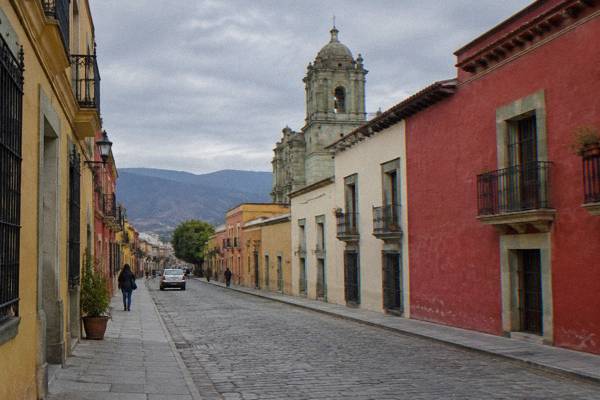
Oaxaca City, the capital of the state of Oaxaca in Mexico, sits inland in the Valles Centrales at about 1,550 m, and its cost profile is unusual among Mexican tourist cities: the headline attractions are state-run archaeological zones with published peso prices, the walking core is free to roam, and the single guaranteed extra on any hotel bill is a small state lodging tax. What follows is a review of what the published figures actually say, so a traveller can budget the trip before booking anything. For the shape of a visit overall, the guide to how many days in Oaxaca is enough sets out the pacing.
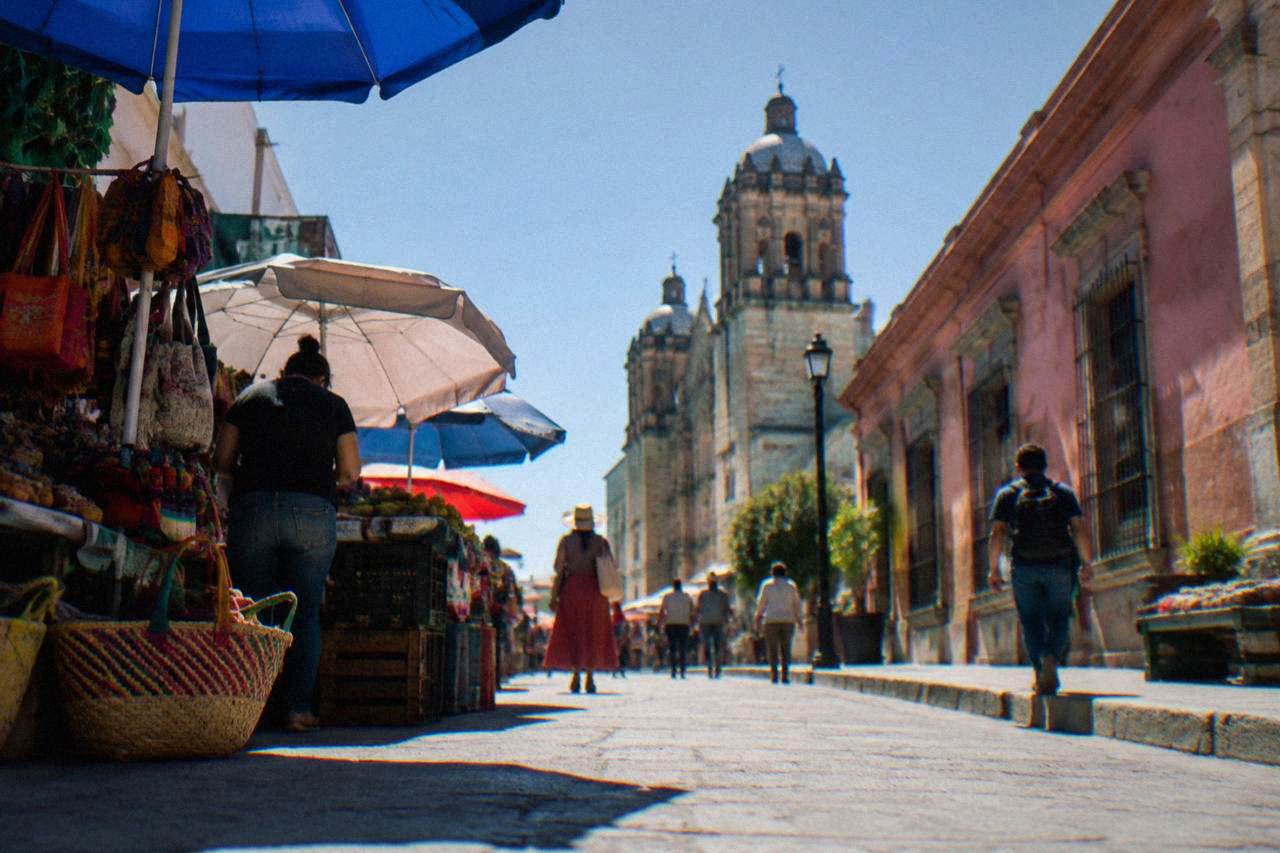
For most of a day in Oaxaca City, no: the Centro Histórico is walkable and free, the Jardín Etnobotánico runs free guided tours on weekdays and Saturdays, and the main archaeological zones charge between 80 and 210 pesos per adult depending on category and nationality. The costs that add up are the bookable experiences, cooking classes, mezcal tastings and valley day trips, and the festival weeks of July and early November when demand for rooms rises sharply.
That answer needs one qualification. Oaxaca City recorded 1,324,332 tourist arrivals across 2025, with hotel occupancy at 51.73 percent and an average stay of 2.00 nights, per the state tourism indicators. Occupancy that moderate for most of the year is not the profile of a city that prices visitors out. But Guelaguetza week in July is a different market: the 2026 Palco A seats sold for 1,632 pesos each and sold out fast.
The honest framing is that Oaxaca City is cheap to wander, moderately priced to sightsee, and as expensive as you choose to make it through workshops, tastings and festival timing.
What Do The Main Sights In Oaxaca Cost?
The INAH archaeological zones charge by category: Monte Albán, Mitla and Yagul cost 105 pesos for Mexican nationals and 210 pesos for foreign visitors, while Dainzú, Lambityeco and Zaachila cost 80 and 145 pesos respectively, all published on the INAH site pages. The Museo de las Culturas de Oaxaca at Santo Domingo charges the same 105 and 210 peso rates, and the Jardín Etnobotánico's guided visits are free.
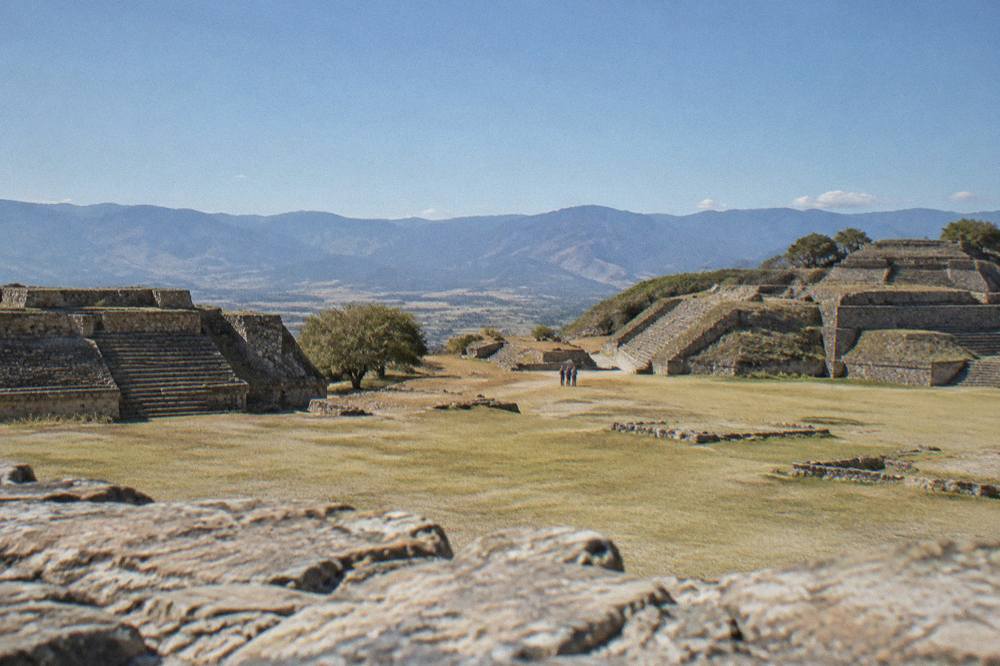
The full published schedule, straight from the INAH pages, looks like this:
| Site | Hours | Last Access | Nationals (MXN) | Foreign Visitors (MXN) |
|---|---|---|---|---|
| Monte Albán | Mon to Sun 08:00 to 17:00 | 16:00 | 105 | 210 |
| Mitla | Mon to Sun 08:00 to 17:00 | 16:30 | 105 | 210 |
| Yagul | Mon to Sun 08:00 to 17:00 | 16:00 | 105 | 210 |
| Dainzú | Mon to Sun 08:00 to 17:00 | 16:30 | 80 | 145 |
| Lambityeco | Mon to Sun 08:00 to 17:00 | 16:30 | 80 | 145 |
| Zaachila | Thu to Sun 10:00 to 16:00 | 16:00 | 80 | 145 |
| Atzompa | Mon to Sun 08:00 to 16:00 | 15:00 | not stated on page | not stated on page |
| Museo de las Culturas de Oaxaca | Tue to Sat 10:00 to 16:00 | 16:00 | 105 | 210 |
Two of those rows carry the traps that catch visiting budgeters. Zaachila opens Thursday to Sunday only, so a Monday visit wastes the trip out there. Atzompa closes at 16:00 with last access at 15:00, an hour earlier than Monte Albán, and its INAH page lists hours without a fee. A visit outside normal INAH hours is possible at several zones for a published 730 peso rate, a figure that appears on the Yagul, Lambityeco, Atzompa and Museo de las Culturas pages, and that is usually only worth it for photographers or researchers.
Beyond the ticketed zones, a great deal of the city costs nothing. The Zócalo, the Andador Macedonio Alcalá, the church of Santo Domingo de Guzmán as a building, the neighbourhoods of Jalatlaco and Xochimilco, all of it is public street. The Jardín Etnobotánico's free guided tours run Monday to Friday at 10:30, 11:00, 11:30, 12:00 and 17:00, and Saturday from 10:30 to 12:00, with large and school groups booking two weeks ahead. If the question is whether Oaxaca is expensive for sightseeing, the honest answer is that a full day of churches, plazas and a botanical garden can be done for zero pesos. The overview of free things to do in Oaxaca covers that side of the ledger.
How Much Do Tours And Classes In Oaxaca Cost?
Tour and workshop prices in Oaxaca City are set by operators, not by the state, and they span a wide band: city walking tours sit at the affordable end, full-day valley loops to Hierve el Agua, Mitla and mezcal distilleries sit in the middle, and private, artisan-led or multi-pairing experiences sit at the top, with every price and rating shown on the operator's booking page.
The value logic differs from many cities because the paid experiences here often replace a meal, a class or a tasting you would pay for separately anyway. A cooking class buys lunch you cooked; a mezcal tasting buys the flight; a food tour replaces dinner.
| Experience Type | What It Typically Includes | Where The Price Sits |
|---|---|---|
| City walking tour | Historic centre, markets, churches with a guide | Lower end of the band |
| Food and market tour | Multiple tastings across city markets | Lower to middle |
| Valley day trip | Hierve el Agua, Mitla, Tule, a distillery stop | Middle |
| Cooking class | Market visit plus a full meal you prepare | Middle |
| Mezcal tasting or pairing | Distillery access or sommelier-led pairings | Middle to upper |
| Private car with artisan visits | Driver, villages, workshop access | Upper end |
A good first pick is the related tour on this page, Culture, History and Traditions of Oaxaca City, a guided walk of the city's core: Check availability.
Should You Book The Culture Walk Before You Arrive?
Yes for festival weeks and weekend arrivals, and freely otherwise: Oaxaca City walking tours run year-round and the operator's booking page shows current dates, prices and free cancellation terms before you commit. Pay-later and free-cancellation options are standard on city experiences here, which removes most of the risk of booking ahead.
What About Food, Markets And Day-To-Day Spending?
Eating in Oaxaca City is peso-denominated and market-driven, with no official price list to quote: the state publishes no meal, market or restaurant prices, so day-to-day food spending is the least predictable line in any Oaxaca budget and the one where personal choice matters most.
What can be said with figures is structural. The city's food reputation runs through its markets, Mercado 20 de Noviembre, Mercado Benito Juárez and the weekly tianguis of the valleys, and a market stall, a street cart and a courtyard restaurant are three different economies sharing the same block. A traveller who eats in the markets spends a fraction of what a traveller who books a tasting-menu restaurant spends, on the same mole. The question of what food Oaxaca is famous for is a better guide to spending than any peso estimate, because it tells you which dishes are everyday market food and which are occasion food.
The other daily costs are mostly fixed and mostly small. Admission to the big zones, as tabled above, is a one-time 210 peso outlay for a foreign visitor. Colectivos and local transport fares are not published in any citable primary source; the practical guide to the best way to get around Oaxaca covers the options without inventing prices.
What Taxes And Hidden Costs Apply In Oaxaca?
One tax is certain: the Oaxaca state lodging tax, Impuesto al Hospedaje, adds 3 percent to hotel-type stays, rising to 5 percent when the booking runs through an intermediary or platform, under decree 884 published 10 December 2025. The other hidden costs are timing costs, and they are avoidable: higher demand around Guelaguetza in July and Día de Muertos from 31 October to 2 November. On a week's accommodation that is a small, knowable surcharge, and it is already in the pesos you pay rather than an airport surprise.
The other "hidden" costs are timing costs, and they are avoidable. Guelaguetza week in July compresses a year of demand into two Mondays: the 2026 Lunes del Cerro performances on 20 and 27 July priced Palco A at 1,632 pesos and Palco B at 1,321 pesos plus fees, while Palcos C and D were free by arrival. The paid sections sold out quickly after sales opened. Anyone can watch Guelaguetza for nothing from the free sections or the street events; the expense is optional. The same logic applies to Día de Muertos at the turn of October and November, when room demand rises around the 31 October to 2 November core dates even though the cemetery vigils and comparsas themselves cost nothing to witness. The 2026 festival programme had not been announced as of mid-October 2026, so 2026 dates remain unavailable. The full index of guides sits on Oaxaca Travel Guide.
For festival planning, the pages on Día de Muertos timing and the best month to visit Oaxaca lay out the calendar pressures without guessing at prices.
How Do You Keep An Oaxaca Trip Cheap?
Spend on two or three bookable experiences and let the free fabric of the city fill the rest: the INAH zones cost 210 pesos each for foreign visitors, the botanical garden and every plaza cost nothing, and the state's own numbers show an average stay of 2.00 nights, so the expensive version of Oaxaca is a choice, not a default.
A concrete low-cost skeleton looks like this: two walking days in the Centro Histórico and Jalatlaco, one Monte Albán half day, one market morning, and one paid class or tasting that doubles as a meal. Add a valley day trip only if the stay runs past three nights. Travellers weighing whether the city justifies the airfare at all can start with whether Oaxaca is worth visiting, and anyone stretching a budget across Mexico can read the comparison with Mexico City on safety and cost pressures before splitting a trip.
The final third of any Oaxaca budget is timing. The rainy season runs May to October with June's 188.3 mm the high point of the SMN station normals, and the dry November to April stretch carries the festivals and the crowds. Nothing about the rain closes the city, and the page on Oaxaca in the rain shows how little of a budget it actually touches. Rooms, not rain, are what move the total.
Common Questions About Oaxaca Costs
Is Oaxaca Expensive?
Not for the basics. Foreign visitors pay 210 pesos at Monte Albán, Mitla and Yagul and 145 pesos at the smaller Category III zones, the Jardín Etnobotánico's guided tours are free, and the only guaranteed surcharge is the 3 percent state lodging tax, or 5 percent through a booking platform. Paid tours, classes and festival seats are where spending scales up.
How Much Is Entry To Monte Albán?
The INAH page lists 105 pesos for Mexican nationals and 210 pesos for foreign visitors, with the site open Monday to Sunday from 08:00 to 17:00 and last access at 16:00.
Is Guelaguetza Expensive To Attend?
It can be free. The 2026 edition priced Palco A at 1,632 pesos and Palco B at 1,321 pesos plus fees, while Palcos C and D were free by arrival. The 2027 dates and prices have not been announced.
Do I Pay Tax On Hotels In Oaxaca?
Yes. The state lodging tax adds 3 percent to hotel-type stays, and 5 percent when the booking is made through an intermediary or platform.
What Is Free In Oaxaca City?
The plazas, the Andador Macedonio Alcalá, the neighbourhoods of Jalatlaco and Xochimilco, the Jardín Etnobotánico's guided tours on their published schedule, and the street side of Guelaguetza and Día de Muertos all cost nothing.
Are The Archaeological Sites Open Every Day?
Most are, but Zaachila opens Thursday to Sunday from 10:00 to 16:00 only, and the Museo de las Culturas de Oaxaca is open Tuesday to Saturday only.
The short version: budget the pesos for two or three INAH sites, one paid experience and the 3 percent lodging tax, and Oaxaca City stays one of the more affordable city breaks in Mexico's highlands.