What Does "El Tule" Mean In English?
El Tule means the tule, a bulrush reed of marshy ground, a word that came into Spanish from Nahuatl. Here is what the name says about Santa María del Tule near Oaxaca City.
El Tule means the tule, and a tule is a bulrush: the tall reed that grows in marshy, waterlogged ground. The word came into Spanish from Nahuatl, the Indigenous language of central Mexico, in which the plant is called tōllin. The town of Santa María del Tule, about 10 km east of Oaxaca City in Mexico's Valles Centrales, takes its name from those reeds and from the wet ground they marked, and it is the town that carries the famous tree visitors go to see. The name, in short, is a plant name first and a place name second.
In English, "El Tule" means "the tule", and a tule is a bulrush, the reed that grows in marshes and wet ground. Spanish took the word from Nahuatl tōllin, the plant's name in the Indigenous language of central Mexico. The definite article "el" is simply "the", so the full phrase reads as "the tule" or "the bulrush place".
That single word carries a lot of local geography. Bulrushes need standing water or saturated soil, so when a place was named after them, as Santa María del Tule was, the name recorded what the ground was like: a wet spot in the valley, useful ground in a region that is dry for half the year. Names of this kind are common across Mexico, where Nahuatl plant and water words entered Spanish place names during the colonial period and stayed.
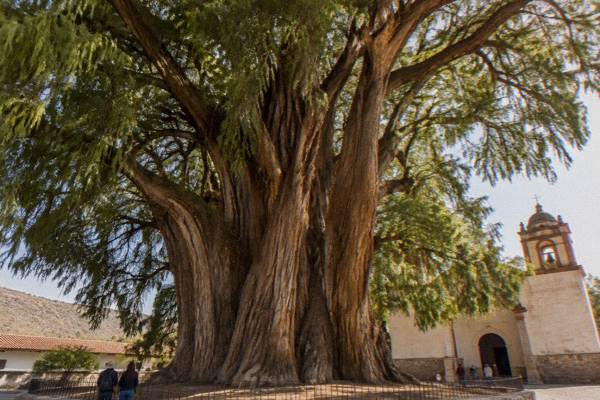
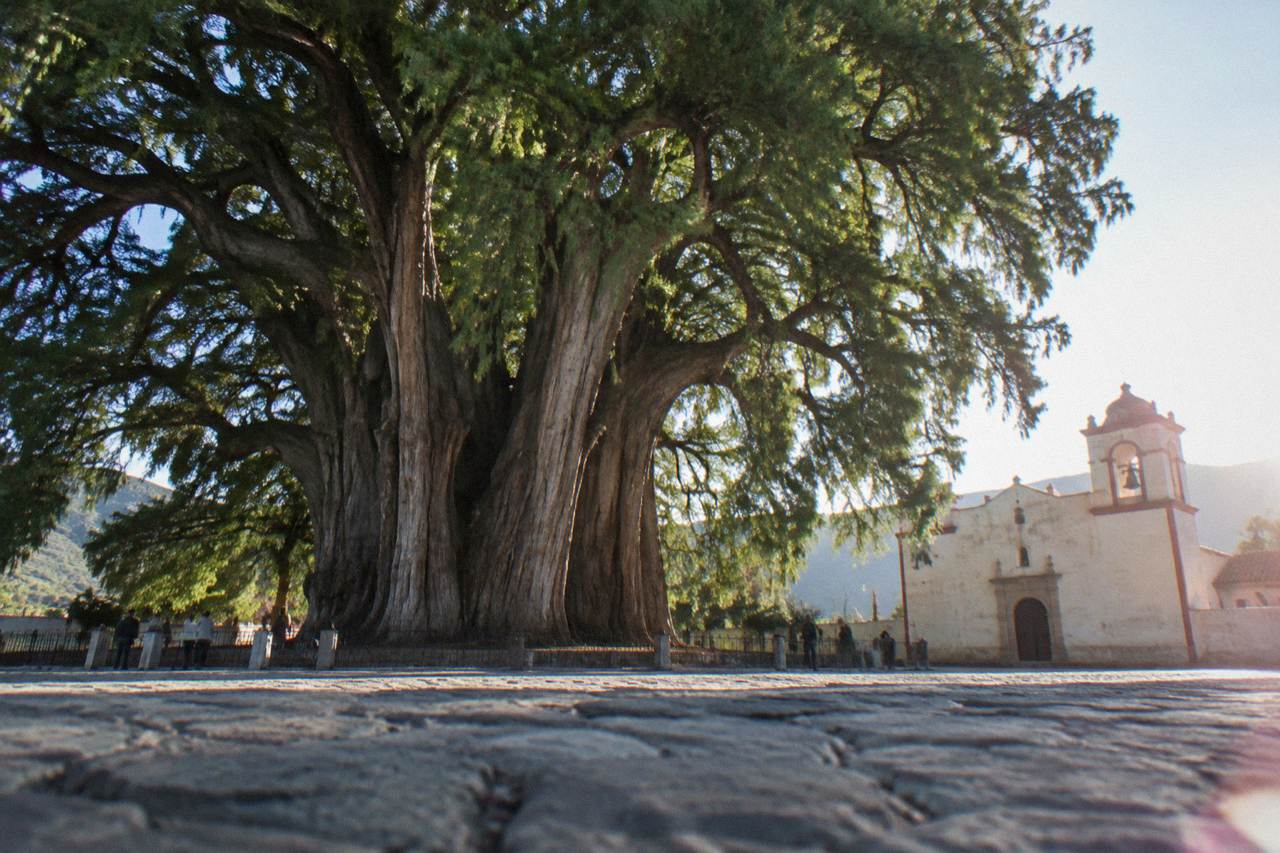
For a traveller, the practical point is that "El Tule" on a map or a tour itinerary almost always points to one place: the town of Santa María del Tule, east of Oaxaca City, where the enormous tree stands in the church forecourt. The tree itself is an ahuehuete, a Mexican cypress, and the Santa María del Tule tree guide covers the tree in detail. The name belongs to the town and its wet historical ground, not to the tree's species.
| Spanish term | Origin | Plain-English meaning |
|---|---|---|
| El Tule | Spanish "el", "the" | The tule |
| Tule | From Nahuatl tōllin | A bulrush, a reed of marshy ground |
| Santa María del Tule | Town name | Saint Mary of the tule, the town named for the reeds |
How Did Oaxaca's Santa María Del Tule Get Its Name?
Santa María del Tule is named for the tule reeds that grew on the wet ground where the town sits, in the Valles Centrales east of Oaxaca City. The Spanish naming pattern joined a Catholic invocation, Santa María, with the pre-existing Indigenous place word, producing "Saint Mary of the Tule". The name survives as everyday evidence of the Nahuatl layer in Oaxaca's place names.
The town lies about 10 km from the Zócalo, a drive of about 11 minutes in free-flow traffic, which makes it the closest of the big valley sights to the city centre. That short distance matters for planning: the Tule tree works as a quick stop on almost any eastward route, whether the destination is Teotitlán del Valle, about 26 minutes further, Tlacolula at about 25, or Mitla at about 37. These drive times are derived from road-network routing rather than an official schedule, and real traffic in the valley is slower, so treat each one as "about".
What the name tells you about the ground is consistent with the tree. An ahuehuete is a water-loving species, and a place named for marsh reeds is exactly the kind of wet ground such a tree settles in. The site's visitor profile reflects that pull: the town is a standard stop on valley day trips, and this site's Hierve el Agua day trip guide shows how Tule slots into a longer eastern loop alongside Mitla and the mineral springs.
For anyone weighing whether the stop deserves its place on a tight itinerary, the honest framing is that the tree and its name are one story: a Nahuatl plant word, a wet patch of valley ground, and a specimen that grew to a width people cross town to see.
How Far Is El Tule From Oaxaca City And How Do You Get There?
Santa María del Tule sits about 10 km east of the Zócalo in Oaxaca City, a drive of about 11 minutes in free-flow traffic, the shortest hop of all the major valley destinations. Teotitlán del Valle is about 26 minutes on, Tlacolula about 25, and Mitla about 37. These are road-network estimates, not timetables, and valley traffic can stretch each one.
The short distance shapes every practical choice. A morning or late-afternoon visit fits between other plans in a way that Hierve el Agua, about 67 km and 57 minutes away, never can. The table below sets out the main eastern hops from the Zócalo so the geography is clear at a glance.
| Destination from the Zócalo | Distance | Free-flow drive time |
|---|---|---|
| Santa María del Tule | About 10 km | About 11 minutes |
| Teotitlán del Valle | About 29 km | About 26 minutes |
| Tlacolula | About 31 km | About 25 minutes |
| Mitla | About 45 km | About 37 minutes |
| Hierve el Agua | About 67 km | About 57 minutes |
Getting there without a car means colectivos, taxis or a booked tour, and this site does not publish fares for any of them. Tule sits on the eastern axis of the valley, so touring it with Mitla and Hierve el Agua in one day is the standard pattern, and a booked loop removes the transfer guesswork entirely. One such option is the Hierve el Agua, Mitla, Tule, Rugs and Mezcal day, which strings the tree together with the far end of the valley; Check availability if that shape suits your dates.
Why Does The Tule Tree Name Confuse Visitors To Oaxaca?
Visitors often assume "El Tule" is the tree's name, when it is the town's name, drawn from the Nahuatl word for the bulrush reed. The tree is an ahuehuete, a Mexican cypress, and it happens to stand in the forecourt of the church in Santa María del Tule. Saying "the Tule tree" really means "the tree at Tule", a place reference rather than a species name.
The confusion compounds because several tour listings use shorthand. An itinerary that says "Tule, Mitla, Hierve el Agua" is listing three stops by place name, and the first is a town, not a botanical label. Once the naming is clear, the itinerary logic becomes easier to read: every eastern valley tour passes the same corridor, and the differences between them are which towns they linger in and what they add at the far end.
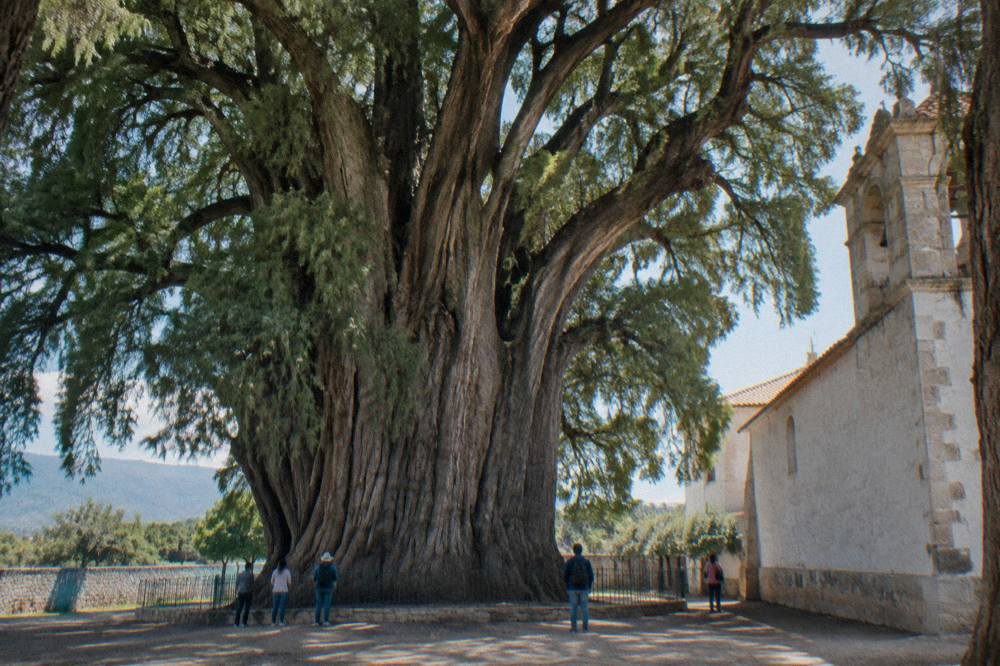
The name also answers a question people ask at the tree itself: why here? A place named for marsh reeds was wet ground, and a water-loving ahuehuete in wet ground is not an accident of landscaping but a fit between species and site. More on the surrounding town and what else sits nearby is in this site's overview of what Oaxaca is famous for, which places Tule in the wider valley circuit of craft villages, ruins and mezcal.
Is El Tule Worth The Stop On An Oaxaca Valley Day Trip?
El Tule earns its place on an eastern valley day trip because it costs almost no time: about 11 minutes from the Zócalo, directly on the road toward Teotitlán del Valle, Tlacolula, Mitla and Hierve el Agua. As a standalone destination it is a short visit, but as a first stop on the eastern corridor it is one of the easiest additions to any Oaxaca itinerary.
The decision is really about the shape of the day. A visitor with one full day east of Oaxaca City can take in the tree, a craft town and either the Mitla ruins or Hierve el Agua, and the bookings that exist for that shape range from small-group loops to private versions. The full comparison of whether the mineral springs repay the longer drive is handled in is Hierve el Agua worth it, which weighs the 57-minute haul against the alternatives.
For travellers who prefer to move under their own power, a bike option to the tree exists in the tour list below, keeping the day inside a shorter radius. And for anyone simply organising a first visit to the city overall, the Oaxaca Travel Guide homepage gathers the valley, food and mezcal pages in one place.
Common Questions About El Tule In Oaxaca
What Does "El Tule" Mean In English?
It means "the tule". A tule is a bulrush, the reed of marshy ground, and the word entered Spanish from Nahuatl tōllin. The town of Santa María del Tule near Oaxaca City is named for those reeds and the wet ground they marked.
Is El Tule The Name Of The Tree?
No. El Tule is the place name of the town, Santa María del Tule, east of Oaxaca City. The tree standing in the church forecourt is an ahuehuete, a Mexican cypress, and it is called the Tule tree because it stands at Tule.
How Far Is Santa María Del Tule From Oaxaca City?
About 10 km from the Zócalo, roughly an 11-minute drive in free-flow traffic. It is the closest of the main valley sights to the city centre.
Can You Visit El Tule And Hierve El Agua On The Same Day?
Yes, and that pairing is the standard eastern loop. Tule sits about 11 minutes from the Zócalo and Hierve el Agua about 57, on the same corridor, so a single day covers both plus Mitla in between.
What Language Does The Word Tule Come From?
Nahuatl, in which the plant is tōllin. Spanish adopted the word, and it survives in place names across Mexico, including Santa María del Tule.
The name, once unpacked, does quiet work: it records wet ground, a Nahuatl plant word that outlasted the colonial renaming, and a town that travellers now pass on the way to the far end of the valley. Knowing that "El Tule" simply means "the bulrush" turns a puzzling label on a tour itinerary into a small piece of Oaxaca's geography.