Is Oaxaca A State Or A City?
Oaxaca is both: a Mexican state of 4,132,148 people and its inland capital city, Oaxaca de Juárez. This page separates the two clearly for trip planning.
Oaxaca City sits inland in the highlands of southern Mexico, and the word "Oaxaca" attached to it also names the whole state around it. That double use is the single most common source of confusion for travellers reading about the destination. A search result about a beach may be describing the state's Pacific coast, hours from the city; a result about a market or a church is nearly always describing the capital, Oaxaca de Juárez. Sorting the two apart takes one page, and it changes how you read every itinerary, bus timetable and tour listing you touch afterwards.
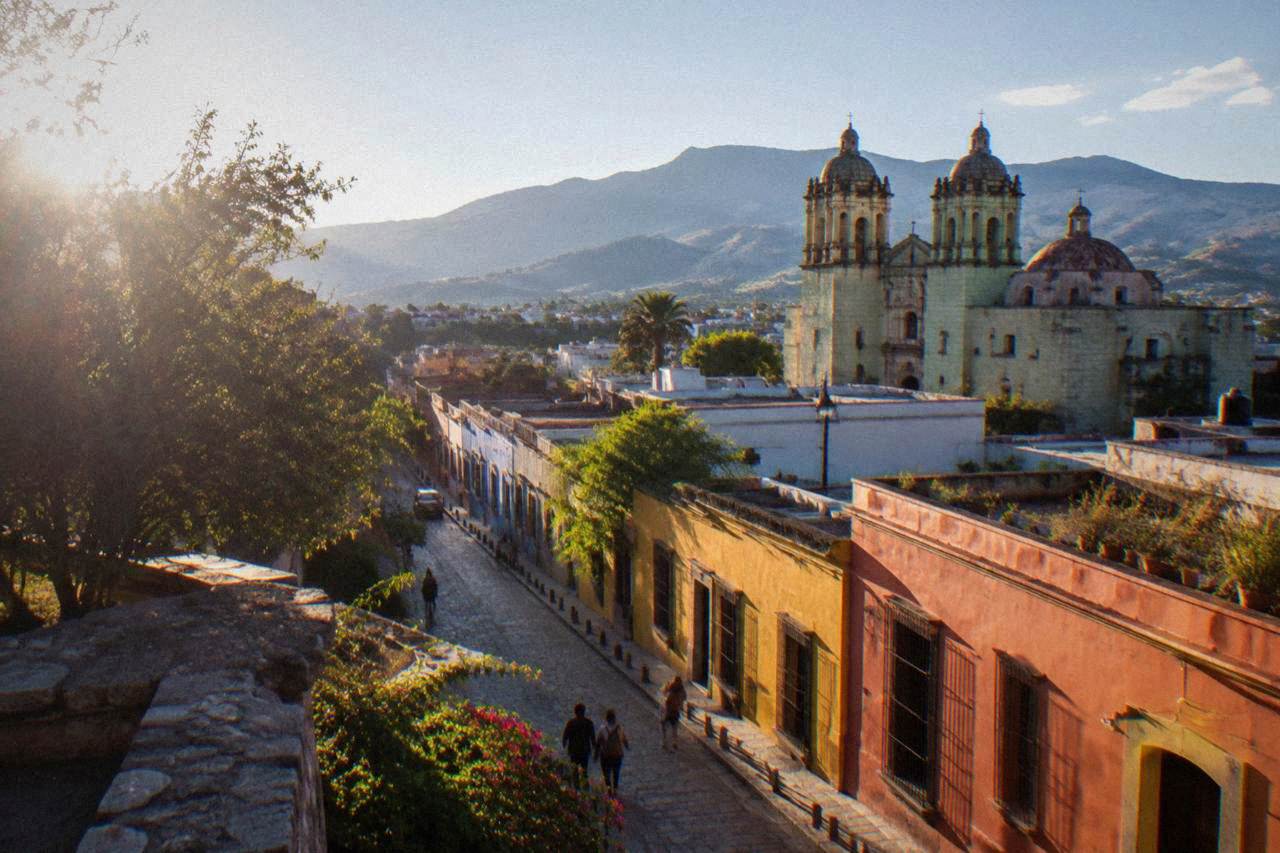
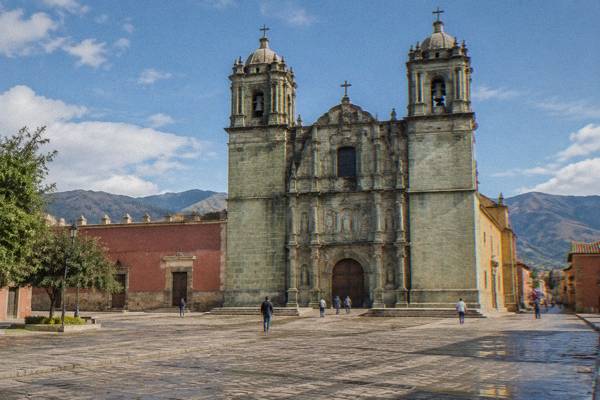
Oaxaca is both. The state of Oaxaca is one of Mexico's 31 states, home to 4,132,148 people at the 2020 census, stretching from the Valles Centrales highlands to the Pacific coast. The city of Oaxaca, formally Oaxaca de Juárez, is that state's capital, a municipality of 270,955 inhabitants sitting inland at about 1,550 m of altitude, with no sea and no beach anywhere near it.
The city is the place almost every visitor means when they say they are going to "Oaxaca". It holds the Zócalo, Santo Domingo de Guzmán, the Andador Macedonio Alcalá, the markets, and the hotels where travellers stay. The state is the far larger container: it includes the city, the valley towns like Tlacolula and Ocotlán, the Sierra Norte, and a long coastline with destinations such as Puerto Escondido and Huatulco that are hours away by road.
The shared name has a history. Oaxaca de Juárez was founded in 1529 as Antequera, and the Historic Centre of Oaxaca and Archaeological Site of Monte Albán is inscribed on the UNESCO World Heritage list as property 415. When a guidebook, a tour listing or a news report says only "Oaxaca", the safest reading is the city; when it names a beach, a surf spot or a coastal park, it is talking about the state. For a fuller map of everything the state contains, the Oaxaca state overview guide breaks the regions down.
Where Is Oaxaca City And How Big Is The State?
Oaxaca City lies in the Valles Centrales, the inland valley system of the state of Oaxaca in southern Mexico, at about 1,550 m of altitude, roughly in the centre of the state. The state runs from those highlands down to the Pacific, and its 2020 census population was 4,132,148. The city municipality itself counted 270,955 inhabitants, and it welcomed 1,324,332 tourist arrivals across 2025.
Two numbers do a lot of work here. The municipality is a mid-sized Mexican city; the state is enormous by comparison, more than fifteen times its population spread across mountains, valleys and coast. That gap is why the state-versus-city question is practical rather than pedantic. A day trip from the city reaches Monte Albán, Mitla, Hierve el Agua and the craft villages, but it does not reach the ocean. The full index of guides sits on Oaxaca Travel Guide.
| Place | What it is | Population (Censo 2020) |
|---|---|---|
| Oaxaca de Juárez | The city, capital of the state, municipality | 270,955 |
| State of Oaxaca | One of Mexico's 31 states, containing the city | 4,132,148 |
The climate figures belong to the city and its valley, not to the whole state. The dry season runs November to April and the rainy season May to October, with June averaging 188.3 mm of rain at the Oaxaca station normals and January 2.4 mm. January nights average a low of 10.3 C while April afternoons average a high of 34.9 C. None of that describes the coast, which is a different climate zone entirely and a long way off: Puerto Escondido is about 165 minutes of driving from the city on the new highway, before mountain traffic and road conditions add time. Planning questions like how many days to give Oaxaca are always questions about the city and its valley.
That valley is where a first visit actually unfolds, and a handful of well-run small-group products cover it efficiently.
What Is The Capital Of The State Of Oaxaca?
Oaxaca de Juárez is the capital of the state of Oaxaca. It is an inland highland city founded in 1529 as Antequera, and its historic centre, together with the nearby archaeological site of Monte Albán, forms the UNESCO World Heritage property known as Historic Centre of Oaxaca and Archaeological Site of Monte Albán, inscribed as property 415. The state government sits here, in the city's Zócalo district.
Adding "de Juárez" to the name is not decoration; it is the city's formal name, and it appears on tickets, bus listings and official pages. Travellers comparing notes on what Oaxaca is famous for are almost always listing things the capital and its valley produce: the seven moles, tlayudas, mezcal, the craft villages, the Guelaguetza each July, and Monte Albán itself.
The city rewards walking more than driving. Its centre is compact enough that a guided walk is one of the highest-yield first activities, and an artist-led look at the murals has become a popular way to read the neighbourhoods. The street art walking tour with an artist covers the city's urban art with a working artist as the guide; Check availability if that angle appeals. It stays inside the capital, which is the point: the city is a destination on its own, distinct from the state's wider map.
How Far Are The State's Famous Places From Oaxaca City?
The sights travellers associate with Oaxaca sit at very different distances from the city. Monte Albán is about 15 minutes away by road, the Tule tree about 11, and Teotitlán del Valle about 26, while Mitla is about 37 minutes and Hierve el Agua about 57. The Pueblos Mancomunados in the Sierra Norte are a different league: Latuvi is about 142 minutes from the Zócalo, and the Pacific coast about 165.
These are free-flow drive times computed from the Zócalo, and real traffic plus mountain roads make them slower in practice. The pattern they show is the useful part: the classic day trips cluster inside an hour, the Sierra Norte is a full expedition, and the coast is a trip of its own that deserves its own planning rather than a squeeze into a valley itinerary. Grouping sights by travel time is usually a better organising principle than grouping them by name.
| Destination | Approximate drive from the Zócalo |
|---|---|
| Santa María del Tule | about 11 minutes |
| Monte Albán | about 15 minutes |
| Teotitlán del Valle | about 26 minutes |
| Tlacolula | about 25 minutes |
| Ocotlán | about 37 minutes |
| Mitla | about 37 minutes |
| Hierve el Agua | about 57 minutes |
| Latuvi (Sierra Norte) | about 142 minutes |
| Puerto Escondido (coast) | about 165 minutes |
The INAH archaeological zones carry their own fees, and those fees attach to specific sites, not to "Oaxaca" in general. Monte Albán, Mitla and Yagul are Category I sites at 105 MXN for Mexican nationals and 210 MXN for foreign visitors; Dainzú, Lambityeco and Zaachila are Category III at 80 and 145 MXN. Zaachila opens Thursday to Sunday only, 10:00 to 16:00, and Monte Albán is open daily 08:00 to 17:00 with last access at 16:00. None of that applies to the coast, and none of it applies to a state-wide pass, because no such thing exists.
Does The State Or The City Matter More For A Trip?
For a first trip, the city matters more, because nearly everything a short itinerary touches starts there. The city supplies the hotels, the markets, the cooking classes, the mezcal tastings and the departure points for Monte Albán and the valley towns. The state matters when you extend: the Sierra Norte, the coast and long-distance routes like the run to Puebla are state-level decisions that add days rather than hours.
A practical rule falls out of this. If a listing or an article describes something reachable within about an hour of the Zócalo, it fits a city-based stay. If it describes a beach, a coastal lagoon or a mountain village beyond two hours, it is state-scale travel and needs its own night or two. The border between the two is exactly where itineraries go wrong: travellers pack a coastal detour into a valley trip and lose a full day each way to mountain roads.
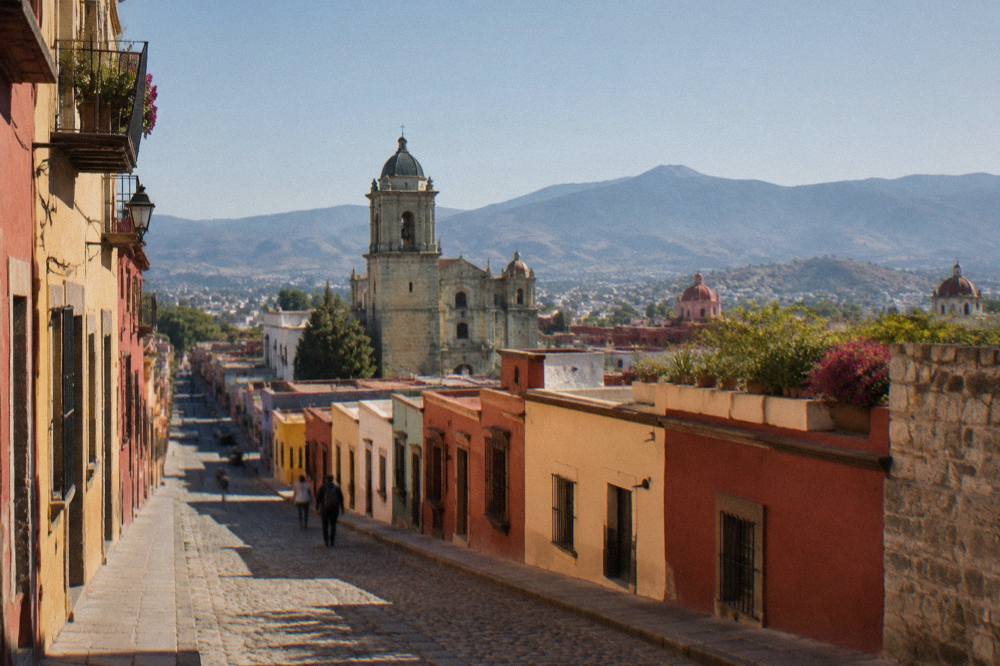
The city also carries the practical weight of daily logistics. It is walkable in its centre, its sights cluster, and its food and craft scenes are dense enough that a stay measured in days, not weeks, still feels full. The state, by contrast, is best approached as a set of named extensions: the Sierra Norte for hiking, the valleys for crafts and archaeology, the coast for the sea. When the distinction is clear, the things to do in Oaxaca fall into place by themselves.
Common Questions About Oaxaca The State And The City
Is Oaxaca A State Or A City?
It is both. Oaxaca is one of Mexico's 31 states, with 4,132,148 inhabitants at the 2020 census, and Oaxaca de Juárez, a municipality of 270,955, is its capital city. Travel content that says only "Oaxaca" almost always means the city.
Is Oaxaca City The Same As Oaxaca De Juárez?
Yes. Oaxaca de Juárez is the formal name of the city, founded in 1529 as Antequera. The full name appears on official pages and bus listings, and "Oaxaca City" is the common English equivalent.
Does The State Of Oaxaca Have Beaches?
Yes, the state has a long Pacific coast that includes Puerto Escondido and Huatulco, but those lie far from the capital. Puerto Escondido is about 165 minutes of driving from the city on the new highway, and real conditions on mountain roads take longer. The city itself is inland, at about 1,550 m, with no sea.
Which Oaxaca Do Tour Listings Mean?
Listings based in the city describe the capital: the historic centre, markets, cooking classes and mezcal tastings. Listings for Monte Albán, Mitla and Hierve el Agua describe valley day trips that depart from the city. Coastal products start on the coast, not in the city, so check where a product begins before booking.
How Many People Live In Oaxaca?
The state counted 4,132,148 inhabitants at the 2020 census, and the city municipality counted 270,955. The city also recorded 1,324,332 tourist arrivals across 2025, which is why its hotel and food infrastructure feels far larger than its resident population suggests.
Once the state and the city are untangled, every other planning question about the destination, from itineraries to festival dates, becomes a matter of checking which Oaxaca the answer belongs to.