Boutique Hotels In Oaxaca
Oaxaca City, the inland highland capital of the state of Oaxaca, has no sea, no promenade and no tower-district skyline. Its boutique hotels sit inside the grid of the Centro Histórico and a handful of valley-edge neighbourhoods, and the practical decisions around them, where, when and how to book, are what this guide covers.
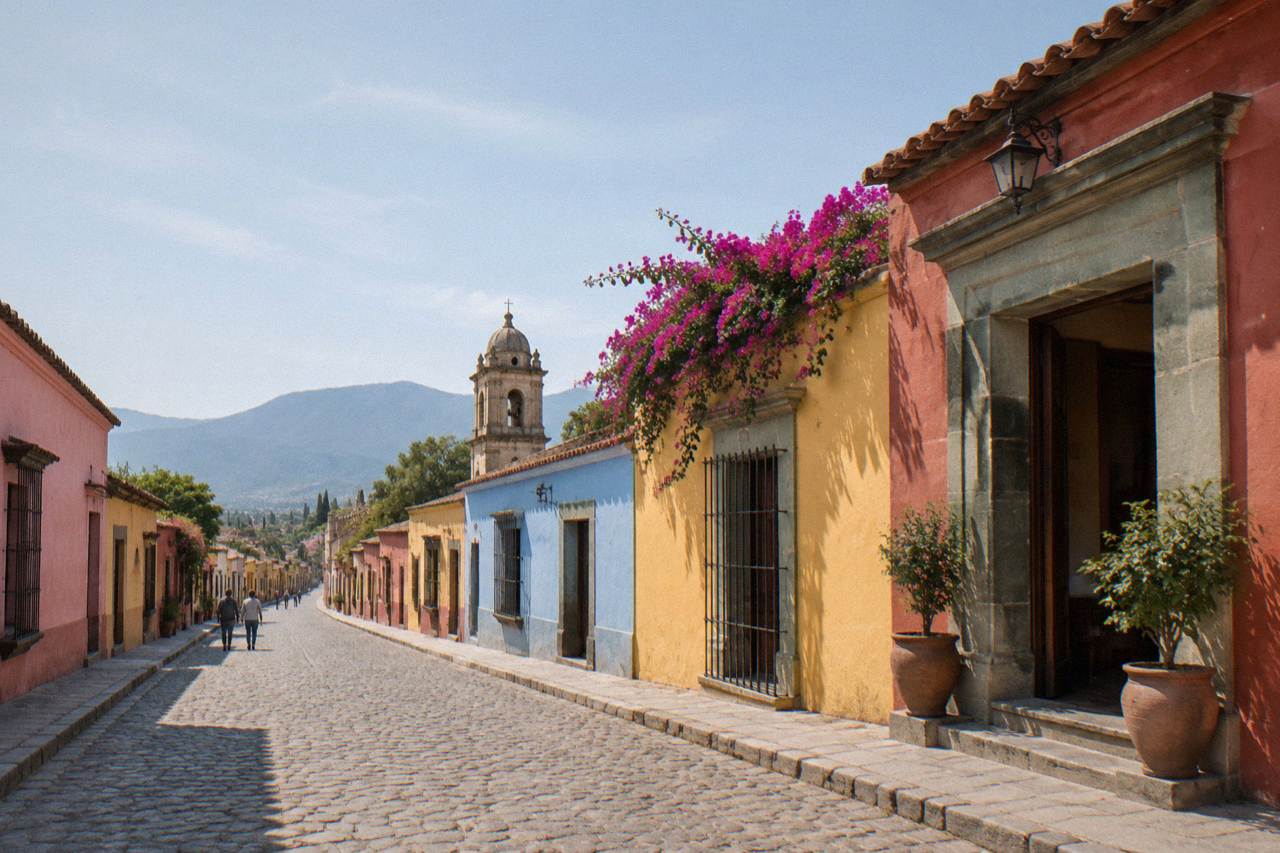
Boutique hotels in Oaxaca concentrate in the Centro Histórico around the Zócalo and Santo Domingo de Guzmán, with quieter clusters in Jalatlaco and Xochimilco a short walk or short ride away. Book early around Guelaguetza in July and Día de Muertos at the turn of November; a 3 percent state lodging tax applies to hotel stays.
Oaxaca de Juárez, the capital of the state of Oaxaca in Mexico, is an inland highland city in the Valles Centrales at about 1,550 m, and its hotel stock reflects that geography: compact, low-rise and folded into colonial-era blocks rather than spread along a waterfront that does not exist. The UNESCO World Heritage property here is the "Historic Centre of Oaxaca and Archaeological Site of Monte Albán" (property 415), and the historic centre is where the small properties cluster. This Oaxaca Travel Guide page lays out what a planner actually needs: which neighbourhoods hold the boutique stock, how the state's 3 percent lodging tax works, which festival dates compress availability hardest, and what the station climate normals say about the months either side of a booking. For the wider hotel landscape across every price band, see the companion page on choosing where to stay.
Where Are The Boutique Hotels In Oaxaca Concentrated?
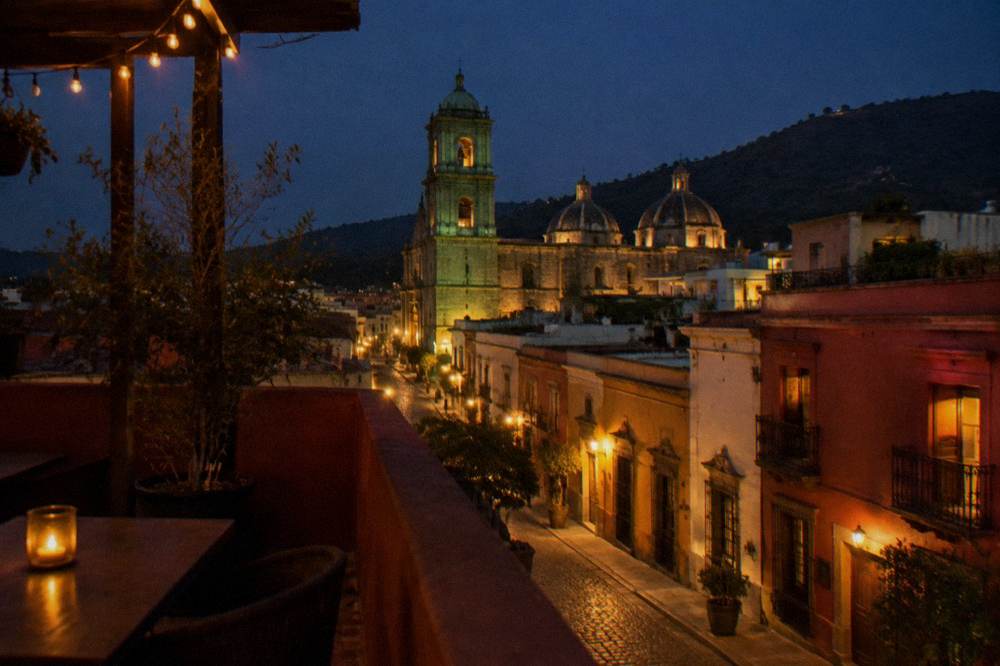
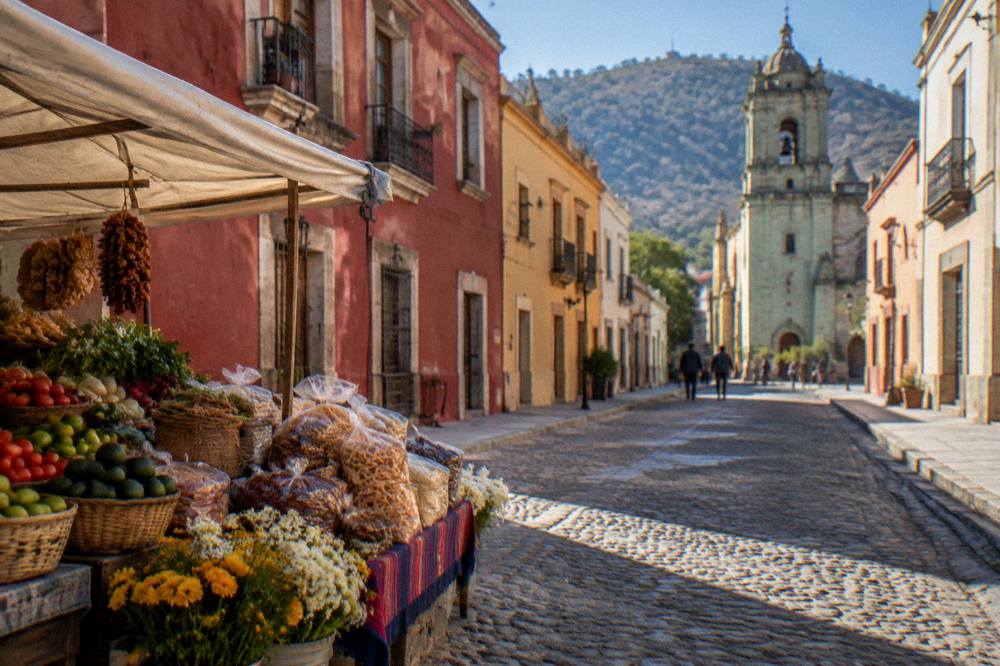
Boutique hotels in Oaxaca City concentrate in the Centro Histórico, the UNESCO-listed grid around the Zócalo, the Andador Macedonio Alcalá and Santo Domingo de Guzmán, with secondary clusters in the neighbouring barrios of Jalatlaco and Xochimilco. Everything in this core is walkable, and the archaeological zone of Monte Albán sits about 15 minutes away by road. The city is compact: the municipality counted 270,955 residents at the 2020 census.
The Centro Histórico does the heavy lifting. The Andador Macedonio Alcalá runs north from the Zócalo toward Santo Domingo de Guzmán, and the blocks on either side hold the densest stock of small converted properties in the city. The Santo Domingo church and cultural complex anchors the north end of that axis, and the Jardín Etnobotánico sits beside it, so a hotel anywhere on the Andador puts three of the city's headline sights within a short walk.
Jalatlaco and Xochimilco sit just outside the core grid, each an older barrio with its own parish church and its own pace. Both are covered in detail in the site's neighbourhood pages, on Jalatlaco and on Xochimilco, and both hold smaller properties at a slightly remove from the Zócalo crowds. South of the centre, the market quarter around the Mercado 20 de Noviembre and the Basílica de la Soledad offers another cluster, generally the most practical for eating.
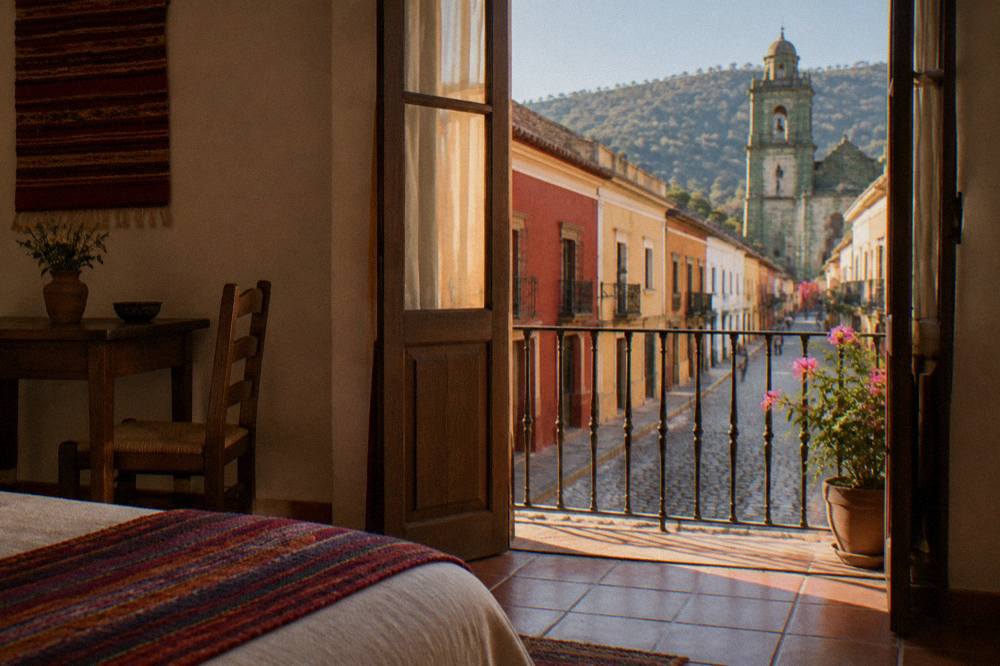
What the concentration means in practice is that location decisions in Oaxaca are short-range ones. A table helps more than adjectives:
| Area | Anchor sight | Character | Practical note |
|---|---|---|---|
| Andador Macedonio Alcalá / Zócalo | Zócalo, Cathedral, Andador | Central, busiest | Highest concentration of small hotels |
| Santo Domingo quarter | Santo Domingo de Guzmán, Jardín Etnobotánico | Museum-adjacent | Museo de las Culturas opens Tuesday to Saturday only |
| Jalatlaco | Parish church, mural-lined streets | Quieter barrio | Short walk to the Alcalá axis |
| Xochimilco | Aqueduct quarter | Residential, calm | Short ride or walk to the centre |
| South of centro | Mercado 20 de Noviembre, Basílica de la Soledad | Market district | Eating late is easiest here |
For a first visit with limited nights, the first-timer's overview walks through the same geography day by day.
What Should You Check Before Booking A Boutique Hotel In Oaxaca?
Check four things before paying: that the property sits inside or beside the Centro Histórico so you can walk to the Zócalo and Santo Domingo; that the quoted rate states whether the 3 percent Oaxaca lodging tax is included; that arrival logistics work, because Uber and DiDi do not serve the airport and only authorised taxis and colectivos do; and that the dates avoid Guelaguetza in July and the Día de Muertos period unless booked far ahead.
The tax point deserves a sentence of its own. Decree 884, published 10 December 2025, sets the state lodging tax (Impuesto al Hospedaje) at 3 percent on hotel-type stays and 5 percent where an intermediary or platform collects the payment. A rate shown on a booking platform and a rate quoted by the property directly can therefore differ in tax treatment, and the number to compare is the total, not the nightly figure.
Arrival logistics are the second quiet variable. The airport guide covers Xoxocotlán International, operated by ASUR, in full; the practical version is that the airport handles only authorised ground transport, so a hotel that offers an arrival transfer is worth asking about directly. If you are arriving overland, the ADO bus guide and the Mexico City to Oaxaca route page cover the long-haul options, and the getting around page handles everything after check-in.
Once you are installed, the fastest way to learn the block you are staying on is a guided walk. The historic centre walking tour with a professional local guide covers exactly this terrain, and you can Check availability on the operator's booking page.
How Do Festival Dates Change Hotel Availability In Oaxaca?
Guelaguetza compresses Oaxaca hotel availability hardest: the 2026 edition ran 20 and 27 July at the Auditorio Guelaguetza on the Cerro del Fortín, with two performances each day at 10:00 and 17:00, and paid seats at 1,632 and 1,321 MXN sold out fast while the free Palcos C and D filled by arrival. Día de Muertos, centred on 31 October to 2 November, is the second squeeze. Noche de Rábanos on 23 December is the third. Book these windows far ahead.
The July figures come from the state's own releases: Palco A tickets were 1,632 MXN and Palco B 1,321 MXN plus fees, sold only through Superboletos with a two-per-account limit, and the state reported sections A and B sold out quickly. That demand lands on the city's hotels across the whole month, because the Lunes del Cerro performances sit inside a wider programme the state bills as "Julio, mes de la Guelaguetza", including calendas on 18 and 25 July and convites on 1, 10 and 11 July 2026. The 2027 dates are not announced, so plan on the standing pattern: two Mondays in July. The full background is in the site's Guelaguetza guide.
Día de Muertos follows. The traditional core dates are 31 October to 2 November, with cemetery visits concentrated on 1 and 2 November; the 2026 city programme has not been announced, so the 25 October to 4 November calendar with 140+ activities that circulates widely is the 2025 edition and should not be relied on for 2026. What is verifiable is the pattern: the Zócalo takes temporary decorative installations mounted in late October and dismantled after 6 November, per the state's tender documents. The Día de Muertos page tracks what is confirmed.
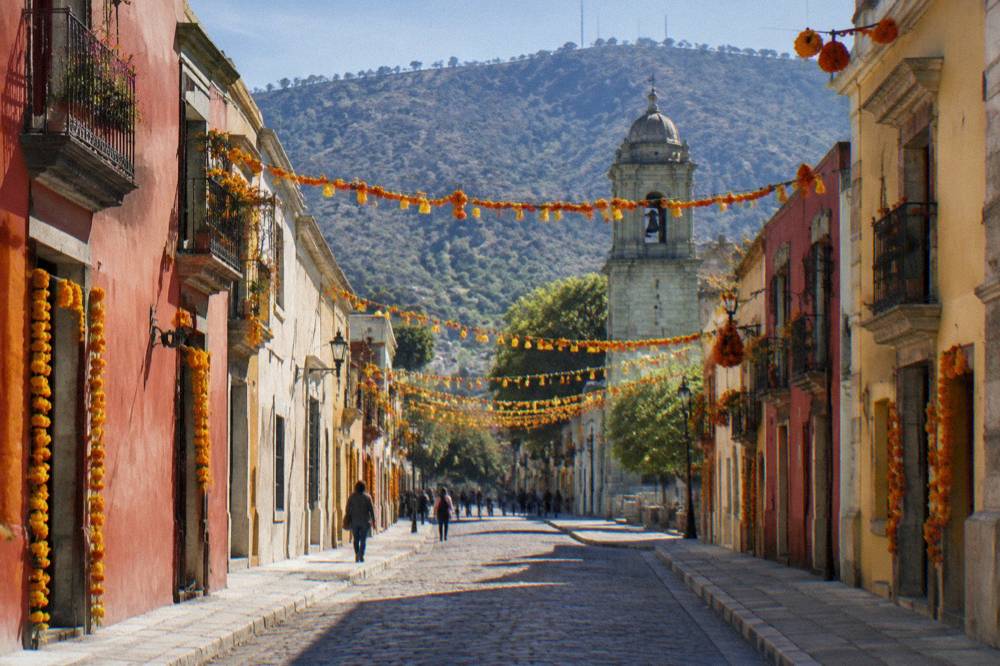
A simple calendar of the pressure points:
| Period | Event | Booking implication |
|---|---|---|
| Two Mondays in July | Guelaguetza (Lunes del Cerro) | Heaviest squeeze of the year |
| Mid to late July | Feria del Mezcal, Guelaguetza month programme | Extends the July window |
| 31 Oct to 2 Nov | Día de Muertos core dates | Book far ahead; cemetery nights peak 1-2 Nov |
| 23 December | Noche de Rábanos | One-night, sharp spike |
| Rest of dry season | Normal demand | Widest choice |
Noche de Rábanos holds to 23 December by tradition; the 128th edition ran in December 2025, and the 2026 edition has not been announced, so treat the date as the standing pattern and nothing more. The site's Noche de Rábanos page carries the detail.
How Does The Weather Affect When You Book In Oaxaca?
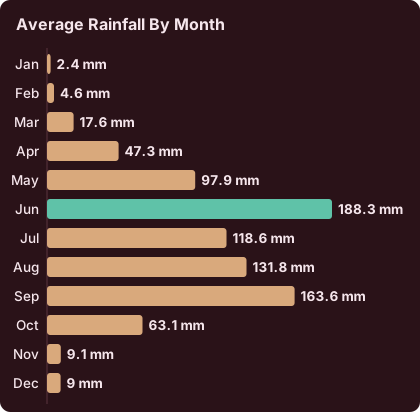
Oaxaca has a dry season from November to April and a rainy season from May to October, per the SMN station 20079 normals for 1991-2020. April averages a 34.9 C mean daily high, the year's highest figure, and December and January hold the lowest mean nightly lows at 11.0 and 10.3 C. June averages 188.3 mm of rain and January just 2.4 mm. None of this is winter weather: there is no snow in the city at about 1,550 m.
The month table, straight from the station normals:
| Month | Mean high C | Mean low C | Rain mm |
|---|---|---|---|
| Jan | 28.9 | 10.3 | 2.4 |
| Feb | 31.1 | 11.6 | 4.6 |
| Mar | 33.3 | 13.6 | 17.6 |
| Apr | 34.9 | 15.8 | 47.3 |
| May | 33.8 | 16.7 | 97.9 |
| Jun | 30.9 | 16.7 | 188.3 |
| Jul | 30.1 | 15.9 | 118.6 |
| Aug | 30.0 | 15.9 | 131.8 |
| Sep | 29.1 | 16.1 | 163.6 |
| Oct | 29.3 | 14.5 | 63.1 |
| Nov | 29.0 | 12.3 | 9.1 |
| Dec | 28.9 | 11.0 | 9.0 |
For a hotel stay this matters in two ways. First, the rainy season is not a washout: rain falls on an average of 19.9 days in June and 21.4 in September, but daytime highs stay near 30 C, and the site's rainy-season guide covers what still works. Second, the dry season's cool nights, 10.3 C on average in January, make a property's heating and hot water worth a question in a city where neither is universal. The month-by-month detail, including what the Guelaguetza and Muertos windows do to each part of the year, is in Oaxaca weather by month.
How Many Days Justify A Boutique Base In Oaxaca?
The city's own tourism data puts the average stay at 2.00 nights across 1,324,332 arrivals in 2025, but the valley argues for more: Monte Albán is about 15 minutes away, Hierve el Agua about 57, Mitla about 37 and the Sierra Norte village of Latuvi about 142. A boutique base earns its premium somewhere between three and five nights, long enough for the city plus one valley day trip without changing hotels.
The drive times below are derived from road-network routing and are free-flow figures; real traffic and mountain roads run slower, so read every number as "about".
| Destination from the Centro Histórico | Distance | Drive time |
|---|---|---|
| Monte Albán | 8.7 km | about 15 min |
| Santa María del Tule | 10.2 km | about 11 min |
| Teotitlán del Valle | 29.2 km | about 26 min |
| Tlacolula | 31.2 km | about 25 min |
| Ocotlán | 32.5 km | about 37 min |
| Mitla | 44.6 km | about 37 min |
| Hierve el Agua | 67.1 km | about 57 min |
| Latuvi (Sierra Norte) | 110.4 km | about 142 min |
The itineraries the site has already built map neatly onto hotel length: three days, five days and a full week. The planning page how many days in Oaxaca settles the question for each travel style, and the one-day version exists for anyone whose stay is genuinely a stopover.
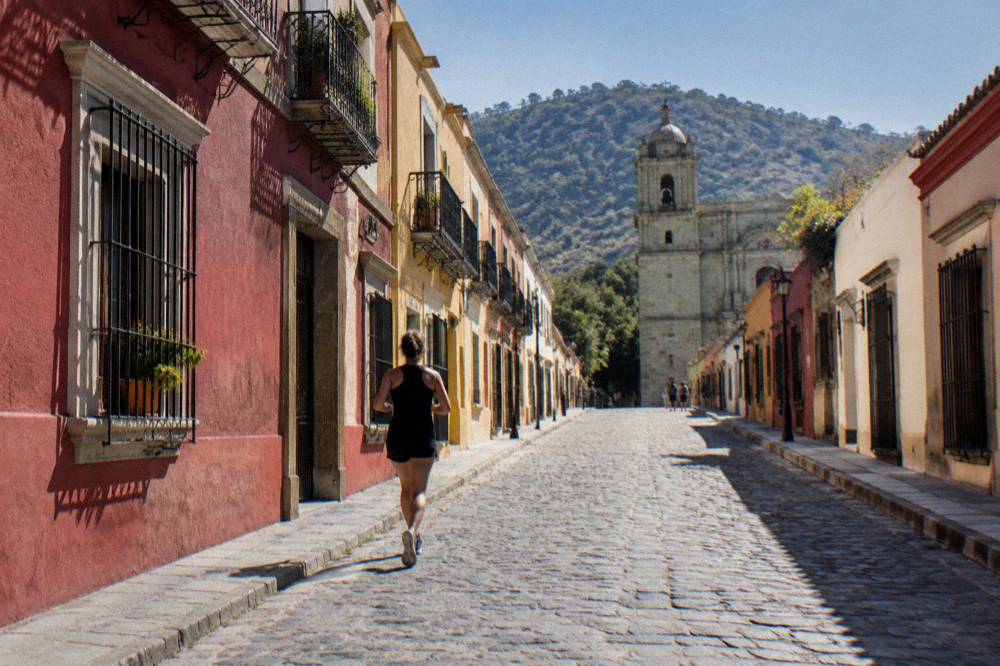
Day trips are the reason the base matters.
Which Oaxaca Neighbourhood Suits Which Trip?
Couples and first-timers land best on the Andador Macedonio Alcalá axis between the Zócalo and Santo Domingo; families do better a block or two south near the markets and the Basílica de la Soledad; anyone who wants quiet without distance chooses Jalatlaco or Xochimilco; longer stays and budget-stretchers look at Reforma or Santa Lucía del Camino. Every option keeps the core walkable, because the historic centre is compact and flat around the Zócalo.
The site has a dedicated page for each of these. Where to stay in Oaxaca is the master comparison, the neighbourhoods guide profiles all of them, and there are single pages for Reforma and for Santa Lucía del Camino and Xoxocotlán. The last is worth a look for anyone with an early flight, since Xoxocotlán is the airport side of the city.
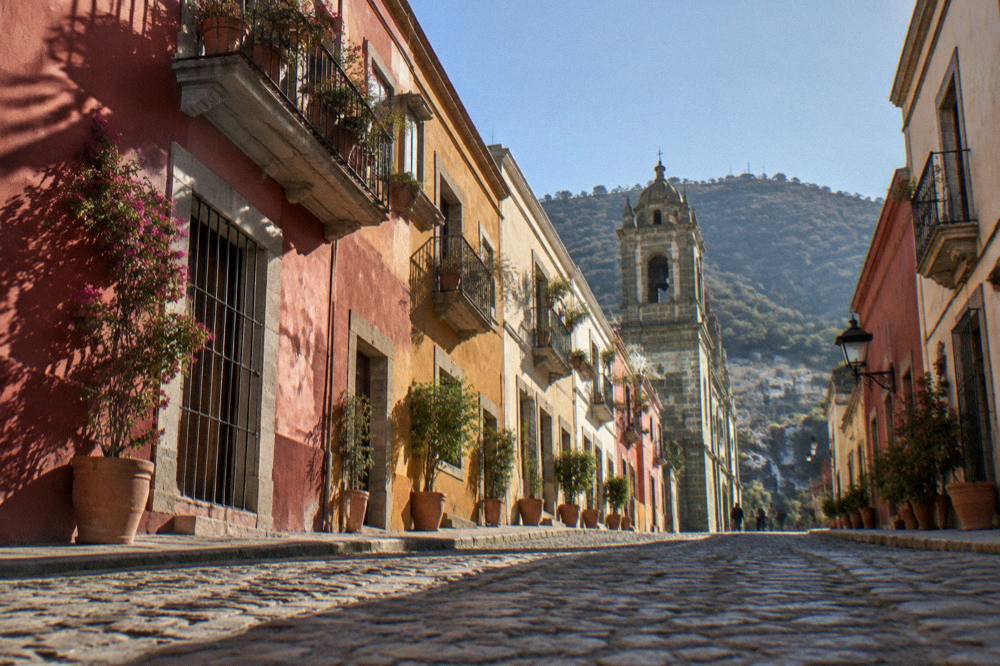
Special cases have their own pages too. Travellers with children get a full treatment in Oaxaca with kids, solo travellers in solo in Oaxaca, and the safety question, including the US advisory's Level 2 wording for the state, in is Oaxaca safe.
What Sits Within Walking Distance Of A Centro Histórico Hotel?
From any hotel in the Centro Histórico core, the Zócalo, the Cathedral, the Andador Macedonio Alcalá, Santo Domingo de Guzmán, the Museo de las Culturas de Oaxaca, the Jardín Etnobotánico and the Mercado 20 de Noviembre are all within walking range, and the Museo de las Culturas opens Tuesday to Saturday 10:00 to 16:00 with admission at 105 MXN for nationals and 210 MXN for foreigners. The Jardín Etnobotánico's guided visits are free.
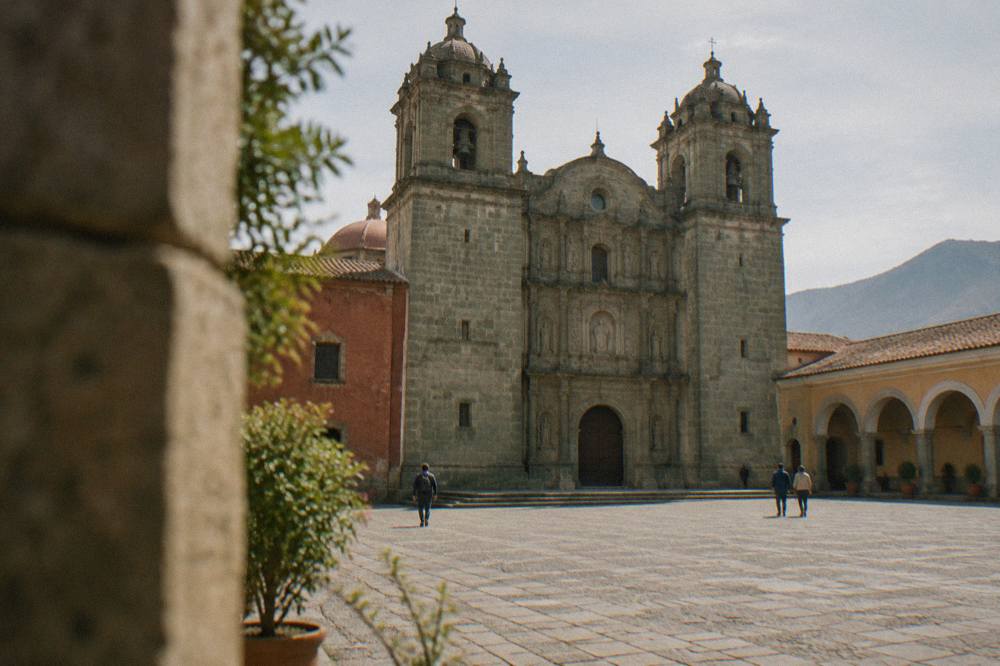
The museum and garden pair beside Santo Domingo is the single best argument for a central base, and both have quirks worth knowing at booking time. The Museo de las Culturas de Oaxaca is closed Sunday and Monday; the Jardín Etnobotánico runs free guided tours Monday to Friday at 10:30, 11:00, 11:30, 12:00 and 17:00, and Saturdays from 10:30 to 12:00, with large groups asked to reserve two weeks ahead. A two-night weekend stay can therefore miss the museum entirely; plan the days before you plan the meals.
| Sight | Hours | Admission (MXN) |
|---|---|---|
| Museo de las Culturas de Oaxaca | Tue to Sat 10:00 to 16:00 | 105 national / 210 foreign |
| Jardín Etnobotánico (guided) | Mon to Fri 10:30, 11:00, 11:30, 12:00, 17:00; Sat 10:30 to 12:00 | Free |
| Monte Albán | Mon to Sun 08:00 to 17:00, last access 16:00 | 105 national / 210 foreign |
| Mitla | Mon to Sun 08:00 to 17:00, last access 16:30 | 105 national / 210 foreign |
| Zaachila | Thu to Sun 10:00 to 16:00 only | 80 national / 145 foreign |
Monte Albán is on the same table for a reason: from a central hotel it is about 15 minutes by road, which makes a morning at the archaeological zone and an afternoon in the museum entirely ordinary. The Monte Albán site guide covers the zone itself, and the entry-fee question is answered in full in how much is the entrance to Monte Albán.
What Should You Budget Around The Hotel In Oaxaca?
Beyond the room rate and the 3 percent lodging tax, the fixed costs a planner can state are few and cheap: INAH archaeology entries run 80 to 210 MXN depending on site category and nationality, the Guelaguetza's paid seats were 1,632 and 1,321 MXN in the 2026 edition, and the free options, the Jardín Etnobotánico tours and the Guelaguetza's Palcos C and D, cost nothing.
Typical hotel, taxi and meal prices are checked at the property or venue, not quoted here.
The budget page Oaxaca travel costs and budget assembles what can be stated, and the money pages handle the mechanics: money, ATMs and cash in Oaxaca for how to pay, and the food pages, from what to eat in Oaxaca to street food and the best restaurants, for where the daily spend actually goes. A boutique stay in the centre puts all of it on foot.
Common Questions About Boutique Hotels In Oaxaca
Where Should I Stay In Oaxaca For A First Visit?
The Centro Histórico, anywhere between the Zócalo and Santo Domingo de Guzmán along the Andador Macedonio Alcalá, puts the walkable core, the museum quarter and the markets within range. Jalatlaco sits a short walk away and trades some convenience for quiet.
Is There A Hotel Tax In Oaxaca?
Yes. The state lodging tax (Impuesto al Hospedaje) runs at 3 percent on hotel-type stays and 5 percent when an intermediary or platform collects the payment, under decree 884 published 10 December 2025. Compare total prices, not nightly rates.
When Is The Hardest Time To Book A Boutique Hotel In Oaxaca?
The Guelaguetza window in July, when the Lunes del Cerro performances fill the Auditorio Guelaguetza on two Mondays, is the tightest. Día de Muertos around 31 October to 2 November and Noche de Rábanos on 23 December follow.
How Many Nights Should I Stay In An Oaxaca Boutique Hotel?
The measured average stay in 2025 was 2.00 nights, but the valley argues for more: Monte Albán is about 15 minutes away and Hierve el Agua about 57, so three to five nights covers the city plus a day trip without changing hotels.
Do I Need A Car If I Stay In The Centre Of Oaxaca?
No. The historic centre is compact and walkable, the sights in the core are on foot, and the valley destinations are normally reached by booked tours or colectivos. The site's getting-around pages cover the details.
What Is The Weather Like Around A Oaxaca Hotel Stay?
Dry season runs November to April and rainy season May to October. April's mean daily high is 34.9 C and December and January hold the lowest mean nightly lows at 11.0 and 10.3 C, per the SMN station normals for 1991 to 2020.
A boutique base in Oaxaca is a location decision more than anything else: pick a block inside the Centro Histórico or one barrio out, book early for July and the turn of November, compare totals with the 3 percent lodging tax included, and let the walkable core do the rest.