ADO Bus In Oaxaca: Stations, Classes And Seats
ADO is the main long-distance bus operator serving Oaxaca City, and its official site is ado.com.mx, where tickets, classes and schedules are set by the operator. This guide covers how the service fits a trip to this highland city: what the seat classes mean, how the terminals work in practice, and what to do once the bus has arrived.
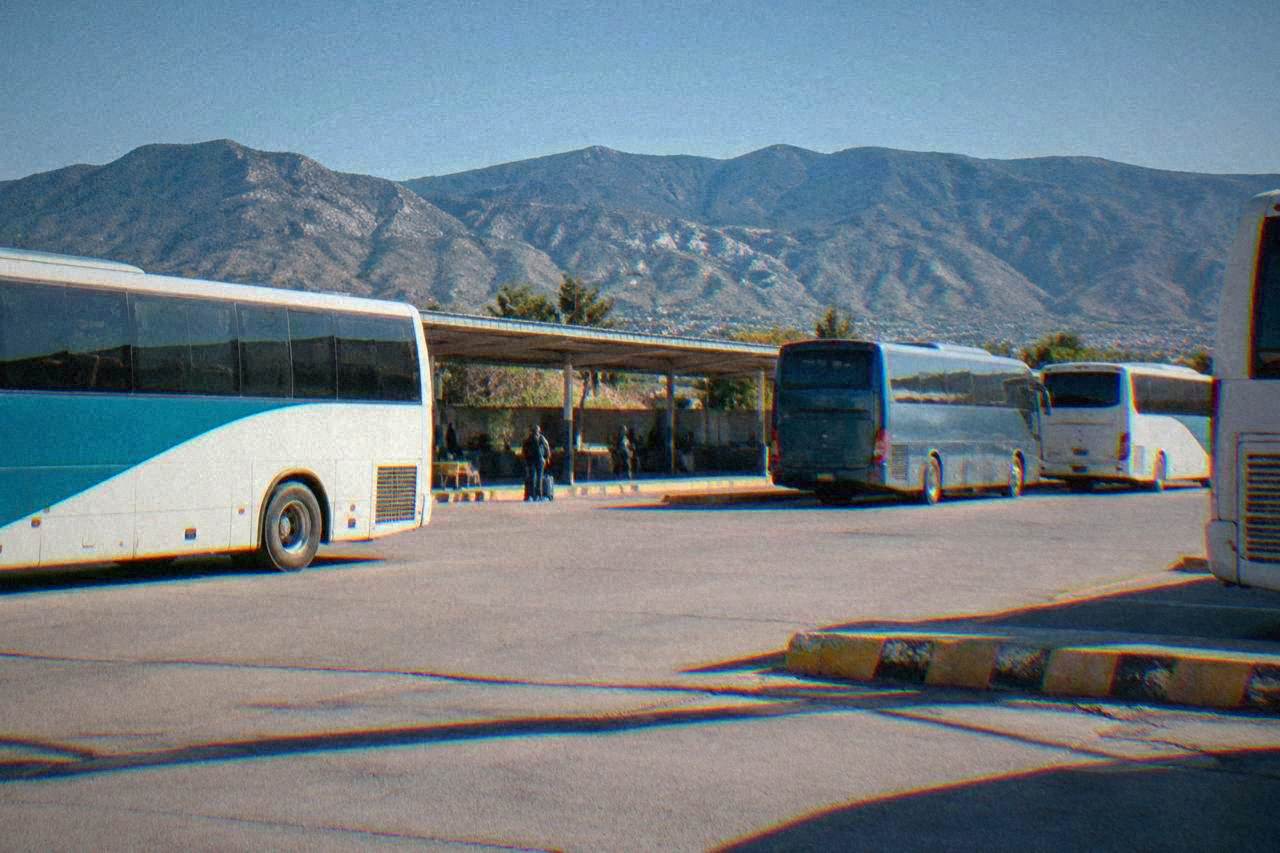
ADO runs long-distance buses into Oaxaca City from destinations such as Mexico City and the Pacific coast, with tickets, fares and schedules sold through the operator's official site, ado.com.mx. Classes and seat choices are set by the operator, so confirm both at booking time.
Oaxaca City, the capital of the state of Oaxaca in Mexico, sits inland in the Valles Centrales at about 1,550 m, and ADO is the long-distance bus operator that connects it with the rest of the country. The operator's official site is ado.com.mx, and that is where schedules, fares and seat maps live, because fares and times are set by the operator and change with demand. What a visitor can plan in advance is the shape of the trip: which class to book, which seat to choose, how the terminal sits relative to the Centro Histórico, and how to spend the days after the bus pulls in.
This page is a planning guide from the Oaxaca Travel Guide. It reports what primary sources say about the city and its surroundings, and it never prints a fare or a journey time for a bus, because those belong to the operator and its live listings. For the wider picture of arriving in the city, see the companion pages on getting around Oaxaca and on the Oaxaca airport.
What Is ADO And Where Does It Arrive In Oaxaca?
ADO is Mexico's largest intercity bus operator, and its official site, ado.com.mx, is the single source for its Oaxaca City schedules, fares and ticket sales. The operator serves Oaxaca de Juárez with first-class and premium services, and every arrival and departure point, class and price is confirmed at booking on the operator's own pages.
The company sells through its site and its own ticket counters, and the services that reach Oaxaca City are grouped into classes that differ in seat recline, legroom and onboard service. What the operator's pages do publish for this city is the destination list: Mexico City, the Pacific coast destinations of Puerto Escondido and Huatulco, Puebla and other regional points appear among the connections. Fares are dynamic, and no figure printed today would hold tomorrow, so the honest instruction is to read the price on the operator's booking page at the moment of booking.
A second, practical point matters for planning: the bus is one of two main ways to reach this city, and the comparison is worth making before committing. The flight versus bus question for Oaxaca has its own answer page, and the Mexico City to Oaxaca route is covered in depth elsewhere on this site. The bus is also the standard connection onward from the coast, and the Puerto Escondido to Oaxaca bus journey is documented on its own page.
What The Classes Actually Mean On Board
ADO's class ladder runs from standard first-class seating up to premium tiers with wider recline and fewer seats per row, and the names of the tiers appear on the operator's site at selection time. The differences that matter on a long ride into the mountains are seat pitch, recline depth and whether the service includes onboard refreshments, all of which the operator states for the specific departure. Never rely on a class name remembered from another route or another year. The operator assigns vehicles and service levels per departure, and the listing for your exact bus is the authority.
What can be said with figures is what surrounds the journey. Oaxaca City recorded 1,324,332 tourist arrivals across 2025, of which 1,111,799 were national and 212,533 foreign, per the state tourism indicators report, and the average stay was 2.00 nights. Those national arrivals are the market the bus network primarily serves, which is why the Mexico City corridor is the backbone of the schedule.
| Fact about Oaxaca City arrivals 2025 | Figure | Source basis |
|---|---|---|
| Total tourist arrivals | 1,324,332 | State tourism indicators report |
| National arrivals | 1,111,799 | State tourism indicators report |
| Foreign arrivals | 212,533 | State tourism indicators report |
| Hotel occupancy | 51.73 percent | State tourism indicators report |
| Average stay | 2.00 nights | State tourism indicators report |
Which ADO Class Should You Book For Oaxaca?
Book the highest class the budget allows for any ride that crosses the Sierra Madre into Oaxaca, because the mountain segments reward the deeper recline and wider seats of the premium tiers. For the flatter run from Mexico City, standard first class is a reasonable choice. The operator's site shows the exact seat map, price difference and service inclusions for each departure before payment.
The reasoning is geography, not comfort vanity. Oaxaca is a highland city at about 1,550 m reached by roads that climb and wind, and the coastal routes from Puerto Escondido and Huatulco descend from high mountain passes down to sea level in a single run. A seat with more recline and pitch makes that geometry noticeably easier, and the premium classes on this network are built around exactly that. On the Mexico City corridor the terrain is gentler, and the decision becomes purely a price question.
Seat selection is the second lever. On the operator's seat maps, the front rows of the upper deck or salon give the smoothest ride and the fastest exit at the terminal, while seats over the axles feel more of the road. Single seats on one side suit solo travellers who want to sleep, and the front row on either deck trades wall space for legroom. The seat map appears at purchase, and the choice is locked to your ticket.
Timing The Arrival Around The City
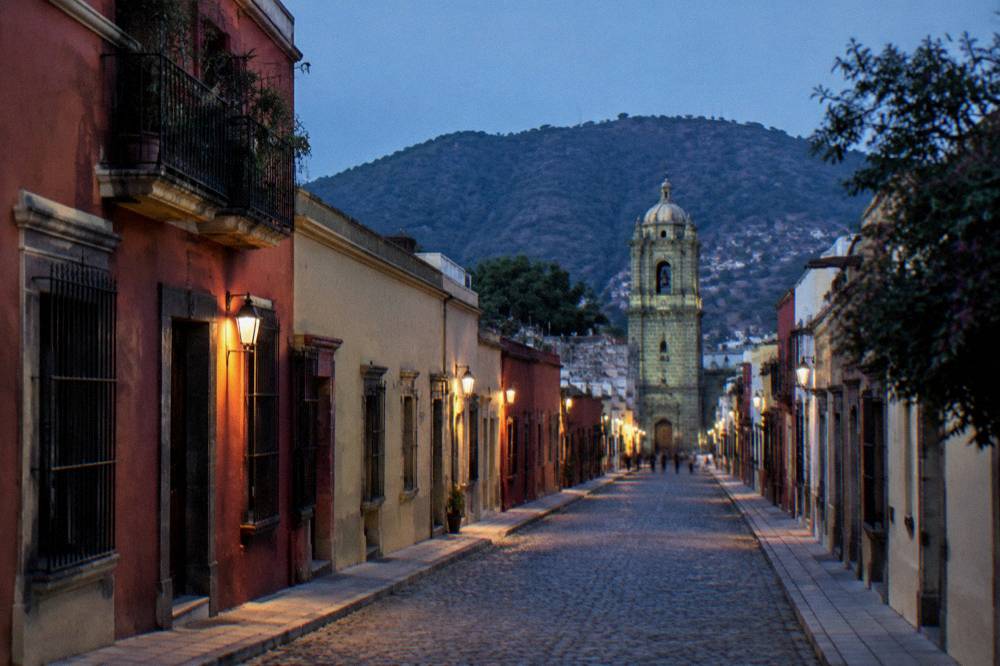
Buses arrive throughout the day, and what waits outside the terminal is a walkable city. The Centro Histórico, a UNESCO World Heritage property listed as "Historic Centre of Oaxaca and Archaeological Site of Monte Albán" (property 415), holds the Zócalo, Santo Domingo de Guzmán and the Andador Macedonio Alcalá within a compact area. The walkability question for Oaxaca is answered on its own page, and the short version is that the centre rewards arriving on foot rather than by car.
If the arrival lands late, the city does not shut down around visitors. The things to do in Oaxaca overview collects the options across the centre and the valleys, and the evening-specific ideas sit on the Oaxaca at night page.
Where Do ADO Buses Leave From In Oaxaca?
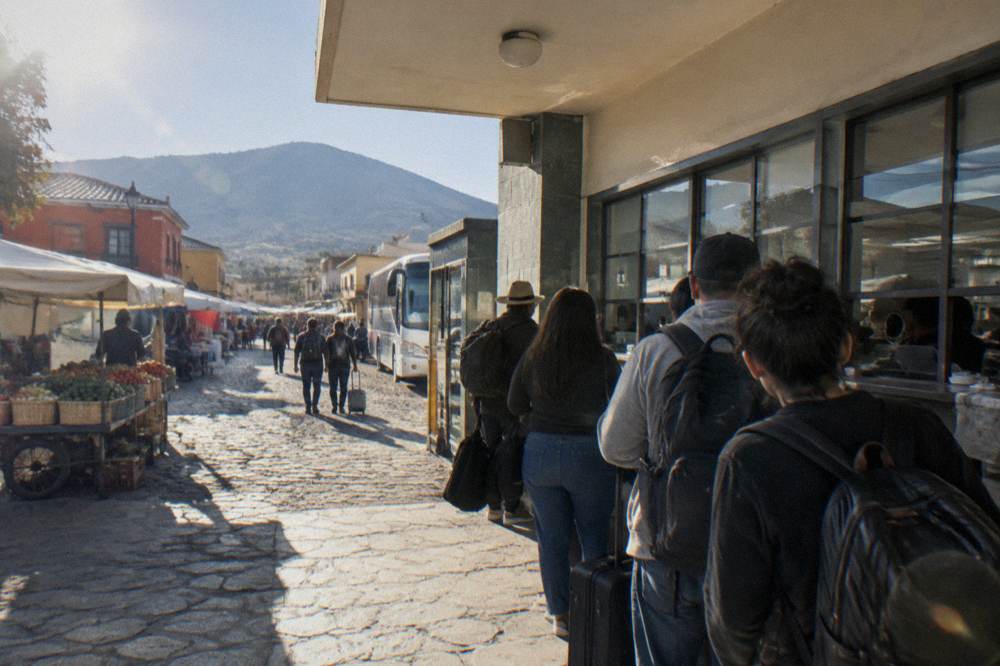
ADO buses leave from the operator's terminal in Oaxaca City, and the exact address, departure gates and local transport connections are confirmed on the operator's site and at the ticket counter. The terminal serves first-class and premium departures toward Mexico City, the Oaxaca coast and Puebla, with schedules and fares set by the operator. The terminal street address and fares belong to the operator's own listings.
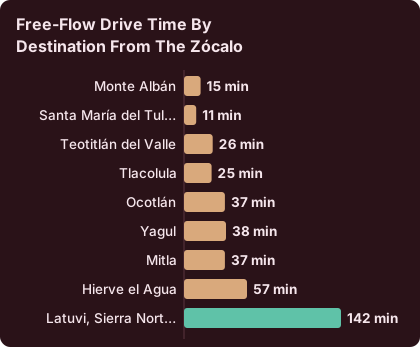
What can be mapped is how the city sits relative to the places a bus traveller actually wants to reach. The drive times below were computed from the Zócalo over the road network under free-flow conditions, so real traffic and mountain roads make them slower in practice. They are planning figures, rounded up, and they say "about" for that reason.
| Destination from the Zócalo | Road distance (km) | Free-flow drive time |
|---|---|---|
| Monte Albán | 8.7 | about 15 minutes |
| Santa María del Tule | 10.2 | about 11 minutes |
| Teotitlán del Valle | 29.2 | about 26 minutes |
| Tlacolula | 31.2 | about 25 minutes |
| Ocotlán | 32.5 | about 37 minutes |
| Yagul | 41.9 | about 38 minutes |
| Mitla | 44.6 | about 37 minutes |
| Hierve el Agua | 67.1 | about 57 minutes |
| Latuvi, Sierra Norte | 110.4 | about 142 minutes |
| Puerto Escondido | 190.1 | about 165 minutes on the new highway |
The pattern is the point: the archaeological and craft destinations cluster within an hour of the centre, while the Pacific coast is a long extension, not a day trip. The Puerto Escondido run, the Huatulco option and the Puebla connection each have a dedicated page on this site, and all three are reached either by the bus network or by a very long drive.
Getting From The Terminal To The Centre
Local transport options are covered in depth on the taxis and ride-hailing guide for Oaxaca and the general getting around page, and the answers page on where ADO buses leave from collects the terminal specifics. For choosing where to sleep relative to the terminal and the centre, the where to stay in Oaxaca guide lays out the neighbourhoods, and the hotel picks page narrows them further.
Is The Bus Better Than Flying To Oaxaca?
The bus is usually the better choice for the Mexico City to Oaxaca corridor when cost and luggage matter, because the operator runs frequent departures on a direct corridor, while flying into Xoxocotlán International Airport wins on time. Neither option involves the sea: Oaxaca City is inland, and the airport serves the valley directly. Fares for both are set by the operators, so compare the live prices before deciding.
The trade-off sits in the terrain again. The flight into Oaxaca is short, and Xoxocotlán (OAX) is operated by ASUR with normal operating hours of 06:00 to 20:00, per the operator's published airport details. The bus trades that speed for frequency and a city-centre-to-city-centre journey. The full comparison, including the thinking for each traveller type, lives on the fly or take the bus answer page, and the air side is detailed in the flights to Oaxaca and airport guides. More of these guides are collected on Oaxaca Travel Guide.
One planning fact about the climate matters for bus timing more than flight timing, because mountain roads and rain interact. The rainy season runs May to October, with the peak from June to September, per the SMN station normals for the city. June averages 188.3 mm of rain across 19.9 days with rain, September averages 163.6 mm across 21.4 days, and January averages just 2.4 mm across 1.4 days. Road journeys in those wet months simply carry more scheduling slack, and the rainy season guide covers what still works well then.
| Month | Average high C | Average low C | Average rain mm | Days with rain |
|---|---|---|---|---|
| January | 28.9 | 10.3 | 2.4 | 1.4 |
| March | 33.3 | 13.6 | 17.6 | 4.1 |
| June | 30.9 | 16.7 | 188.3 | 19.9 |
| September | 29.1 | 16.1 | 163.6 | 21.4 |
| December | 28.9 | 11.0 | 9.0 | 2.4 |
What Should You Do On The Days After The Bus Arrives?
Spend the first day inside the Centro Histórico and the second at Monte Albán, which drew 416,675 visitors in 2025 per the state tourism indicators, more than every other INAH site in the valley combined. Entry is 105 MXN for Mexican nationals and 210 MXN for foreign visitors at Category I sites, the INAH page lists, and the site opens daily 08:00 to 17:00 with last access at 16:00.
That visitor count tells the priority story in one figure. Mitla recorded 104,428 visitors in the same year, Yagul 10,185, Lambityeco 5,545 and Zaachila 4,229, so Monte Albán is the anchor and the rest are depth. For the anchor, a guided half-day that includes transport and a guide is the standard way to fit it into an arrival week, and the Monte Albán guide covers the site itself. The Check availability link beside this paragraph goes to that half-day's live listing.
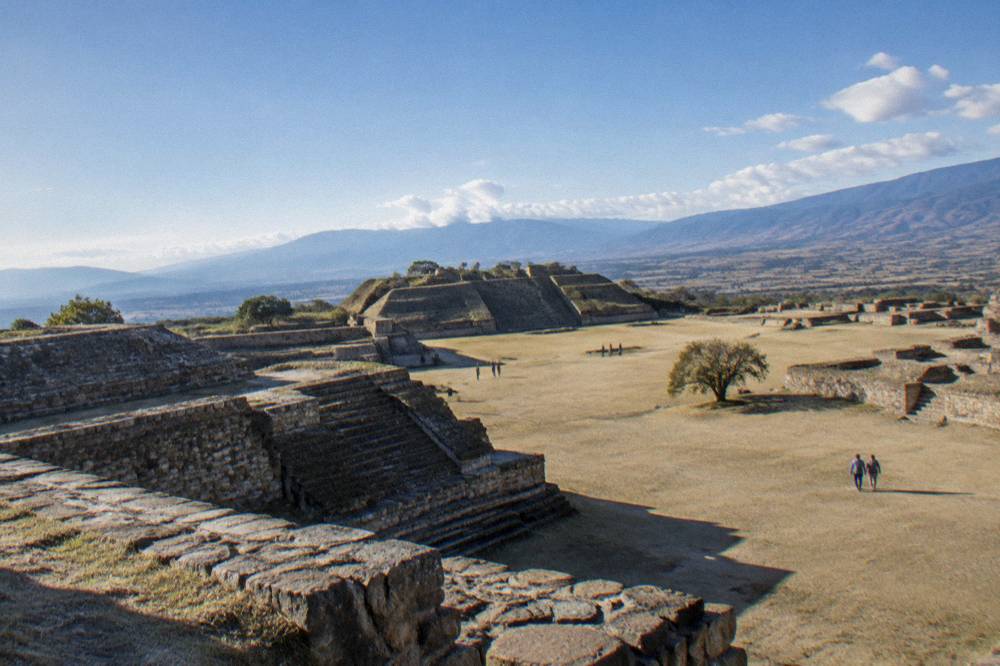
The valley sites beyond Monte Albán each carry their own INAH entry category, and the fee table below comes straight from the INAH site pages. Note the two quirks: Zaachila opens Thursday to Sunday only, 10:00 to 16:00, and Atzompa closes at 16:00 with last access at 15:00, an hour earlier than Monte Albán.
| INAH site | Hours | Last access | Nationals MXN | Foreigners MXN |
|---|---|---|---|---|
| Monte Albán | Mon to Sun 08:00 to 17:00 | 16:00 | 105 | 210 |
| Mitla | Mon to Sun 08:00 to 17:00 | 16:30 | 105 | 210 |
| Yagul | Mon to Sun 08:00 to 17:00 | 16:00 | 105 | 210 |
| Dainzú | Mon to Sun 08:00 to 17:00 | 16:30 | 80 | 145 |
| Lambityeco | Mon to Sun 08:00 to 17:00 | 16:30 | 80 | 145 |
| Zaachila | Thu to Sun 10:00 to 16:00 | 16:00 | 80 | 145 |
| Atzompa | Mon to Sun 08:00 to 16:00 | 15:00 | not on the page | not on the page |
Filling Days Two Through Five
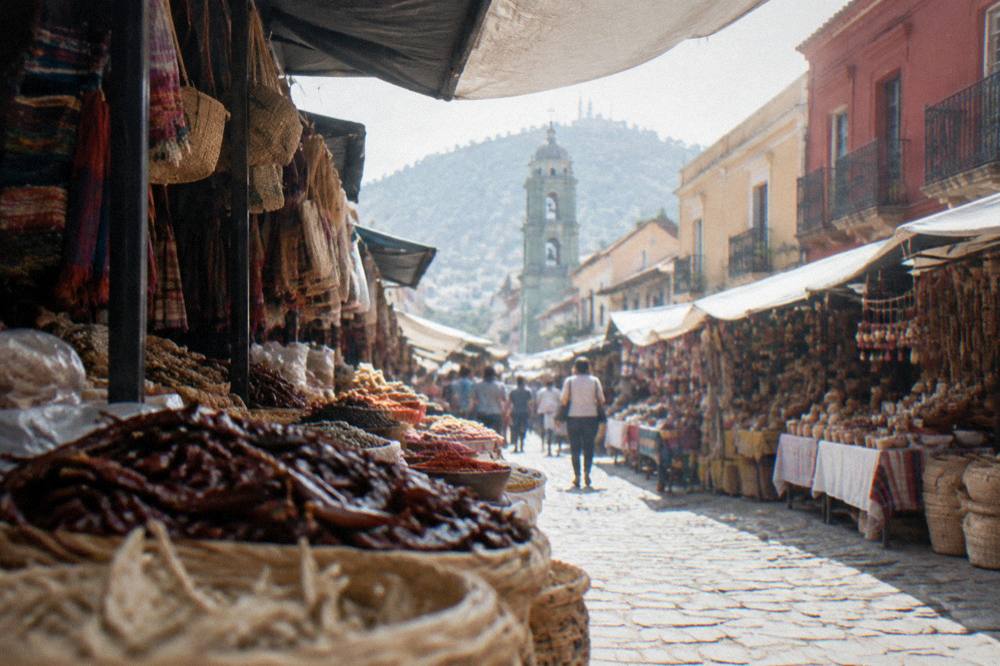
How long to stay is its own question, answered on the how many days in Oaxaca page, and the itinerary pages run from one day through three to a full week. The valley day trips, from Hierve el Agua to the Tlacolula Sunday market, ride on colectivos and tour transport rather than ADO, whose role ends at the city terminal. The distinction matters: ADO is the long-distance layer, and the valley layer is local.
How Does Bus Timing Interact With Oaxaca's Festival Calendar?
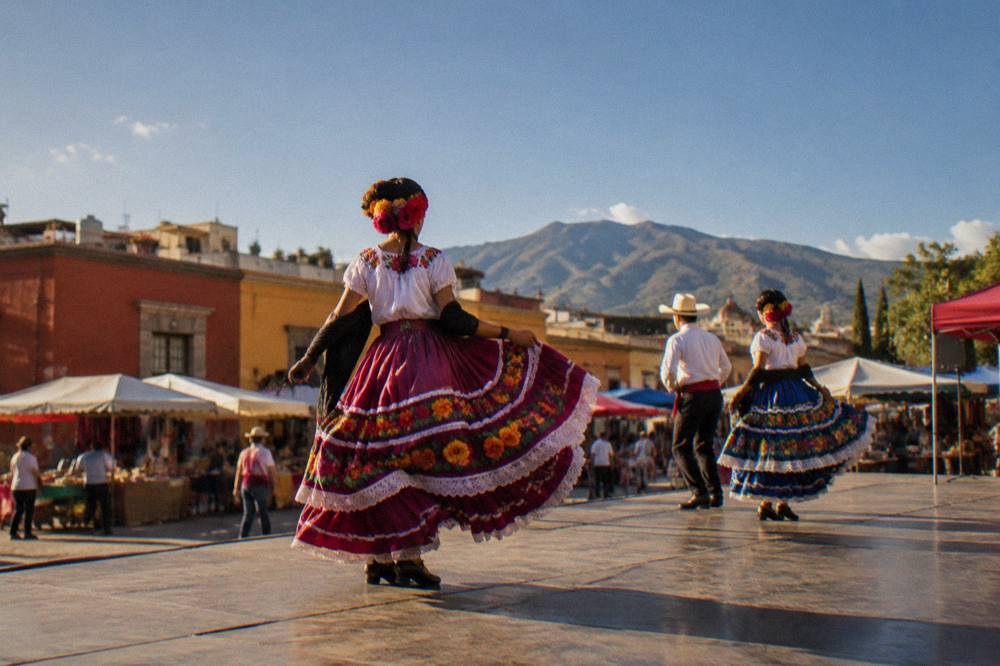
Bus seats into Oaxaca City sell hardest around the Guelaguetza in July and Día de Muertos at the end of October and start of November, when the whole valley fills, so book the operator's tickets early for those windows. The 2026 Guelaguetza performances ran 20 and 27 July at 10:00 and 17:00, the state release lists, with Palco A seats at 1,632 MXN and Palco B at 1,321 MXN plus fees, and sections C and D free.
That is now a past event, and 2027 dates are not announced, but the pattern holds every July: two Mondays of performances on the Cerro del Fortín, a supporting month of events, and heavy demand on every seat into the city. The Guelaguetza page carries the full detail. For Día de Muertos, the traditional dates centre on 31 October to 2 November, and the 2026 programme is not announced, so treat published schedules from 2025 as the pattern rather than the plan.
One safety note belongs in any bus-planning guide, worded as the advisory sources state it. The US State Department lists Oaxaca state at Level 2, Exercise Increased Caution, with restrictions applying only in the Isthmus region, not the city or the valleys. The UK FCDO advises against all but essential travel to parts of Mexico and does not name Oaxaca on its main page. Road blockades by teachers' unions are a standing, sporadic risk that can disrupt road and airport access for hours at a time. None of this describes the bus corridor specifically; it describes the roads any bus uses.
Choosing The Season For The Ride
The best time to visit Oaxaca question is answered month by month on its own page and in the weather by month table. The dry season runs November to April, and the rainy season May to October, per the SMN station normals. April carries the highest average high at 34.9 C, and January and December the lowest average lows at 10.3 C and 11.0 C, so a bus ride into the valley in the cooler months starts cold in Mexico City and ends mild in Oaxaca.
| Season in Oaxaca City | Months | What the SMN normals show | Bus-planning effect |
|---|---|---|---|
| Dry season | November to April | November 9.1 mm and December 9.0 mm of rain | Road conditions at their most reliable |
| Early rainy season | May to June | May 97.9 mm, June 188.3 mm | Mountain segments run slower in rain |
| Peak rains | June to September | 19.9 to 21.4 days with rain per month | Add schedule slack, expect delays |
| Late rains | October | 63.1 mm across 12.0 days | Improving, with festival demand building |
What Should Bus Travellers Know About Money And Timing In Oaxaca?
Budget in pesos for everything local, expect a 3 percent state lodging tax on hotel-type stays, and remember Oaxaca runs on UTC-6 all year with no daylight saving, per the federal law that abolished it in 2022. Bus tickets are priced by the operator in pesos on its own site, and local costs from INAH entry fees to market food are paid in cash in MXN.
The lodging tax detail comes from the state fiscal law updated by decree 884, published 10 December 2025: 3 percent on hotel-type stays, 5 percent when collected through intermediaries and platforms. The timezone detail comes from the federal time-zone law published in the official gazette on 28 October 2022, which ended seasonal clock changes, so a bus departure time from Mexico City and an arrival time in Oaxaca sit on the same clock all year. Neither figure is a fare, and no fare appears on this page by design.
Practical money questions beyond that, from ATMs to card acceptance, sit on the dedicated money and cash in Oaxaca page, and the travel costs and budget guide frames the whole trip. For the arrival itself, the answer page on how long the bus from Mexico City takes covers the timing question, and the return direction has its own guide.
The Arrival Checklist
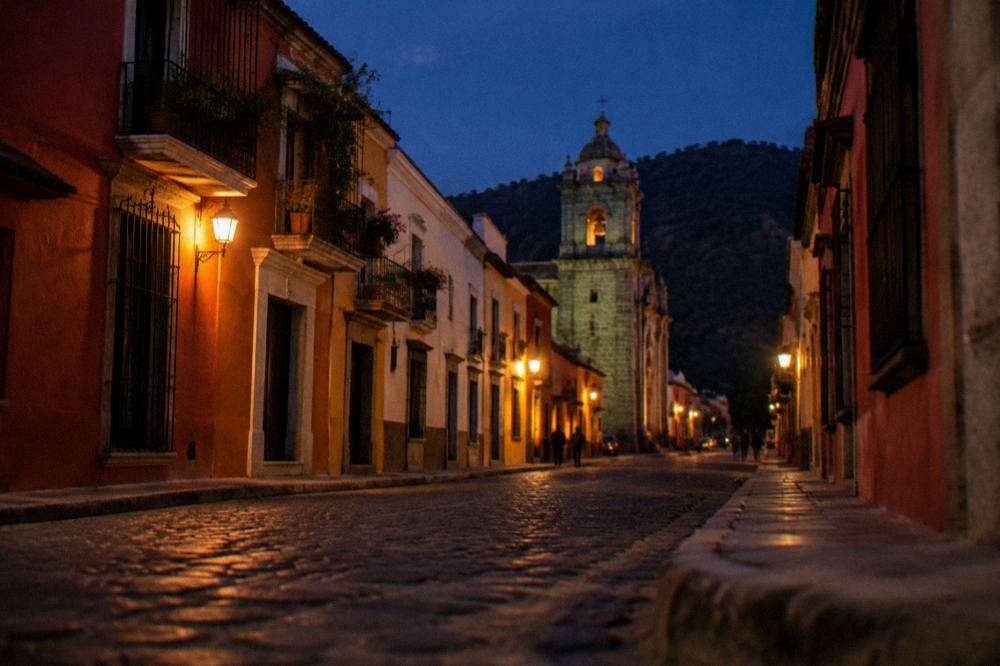
A bus arrival into this city lands a visitor within a short local ride of the Centro Histórico, with the whole valley archaeology an hour or less beyond it. The checklist is short: confirm the class and seat on the operator's booking page, keep the ticket for the terminal exit, change nothing about INAH plans without checking the day-specific hours in the table above, and treat Monte Albán's 16:00 last access as the fixed point of any arrival-day plan. The markets and shopping guide and the south-of-centro walk cover the first hours on foot.
Common Questions About ADO Buses In Oaxaca
Where Do ADO Buses Leave From In Oaxaca?
ADO departures use the operator's terminal in Oaxaca City, with the address, gates and local connections confirmed on the operator's site and at the counter. The dedicated answer page on this site collects the terminal specifics and the onward transport options.
How Long Is The Bus From Mexico City To Oaxaca?
Journey times are set by the operator and appear on its live listings at booking. The dedicated answer page on the route explains what the trip involves and how to read the schedule on the operator's site.
Which ADO Class Is Best For The Ride Into Oaxaca?
For the mountain segments from the coast, the premium tiers with deeper recline and wider seats repay the difference. For the Mexico City corridor, standard first class is a reasonable choice. The operator's seat map and service inclusions for each departure appear at selection on its site.
Is The Bus Or The Plane Better For Reaching Oaxaca?
The bus suits cost-conscious travel with luggage on the Mexico City corridor, while flying into Xoxocotlán International Airport wins on time. Both fares are dynamic, so compare live prices before deciding; the full comparison sits on the fly-or-bus answer page.
Does The Bus Reach The Oaxaca Coast?
Yes, the operator's network connects Oaxaca City with Puerto Escondido and Huatulco, and those runs climb and descend the Sierra Madre. The coast pages on this site treat them as long extensions of a city trip, not day trips.
Do I Need To Book ADO Tickets In Advance For Festivals?
Yes. July around the Guelaguetza and the 31 October to 2 November Día de Muertos window fill the city's rooms and seats alike, and tickets on those dates are best secured as soon as travel dates are fixed.
The bus is the slow door into Oaxaca City and, on the mountain routes, one of the more scenic arrivals in Mexico, and everything a traveller needs beyond the ticket, from the valley sites to the festival calendar, sits within a short local ride of the terminal.