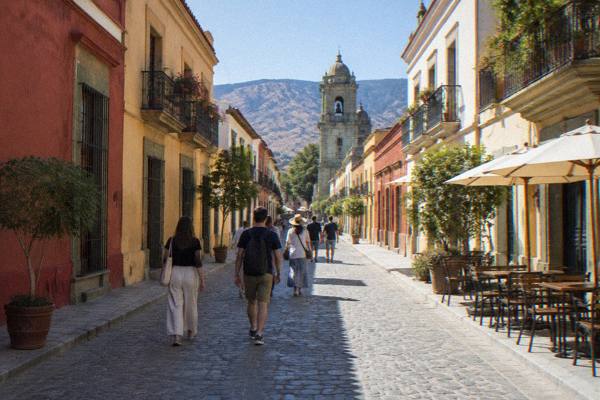
What To Pack For Oaxaca By Season
This packing guide follows the climate normals month by month so the suitcase matches the season.
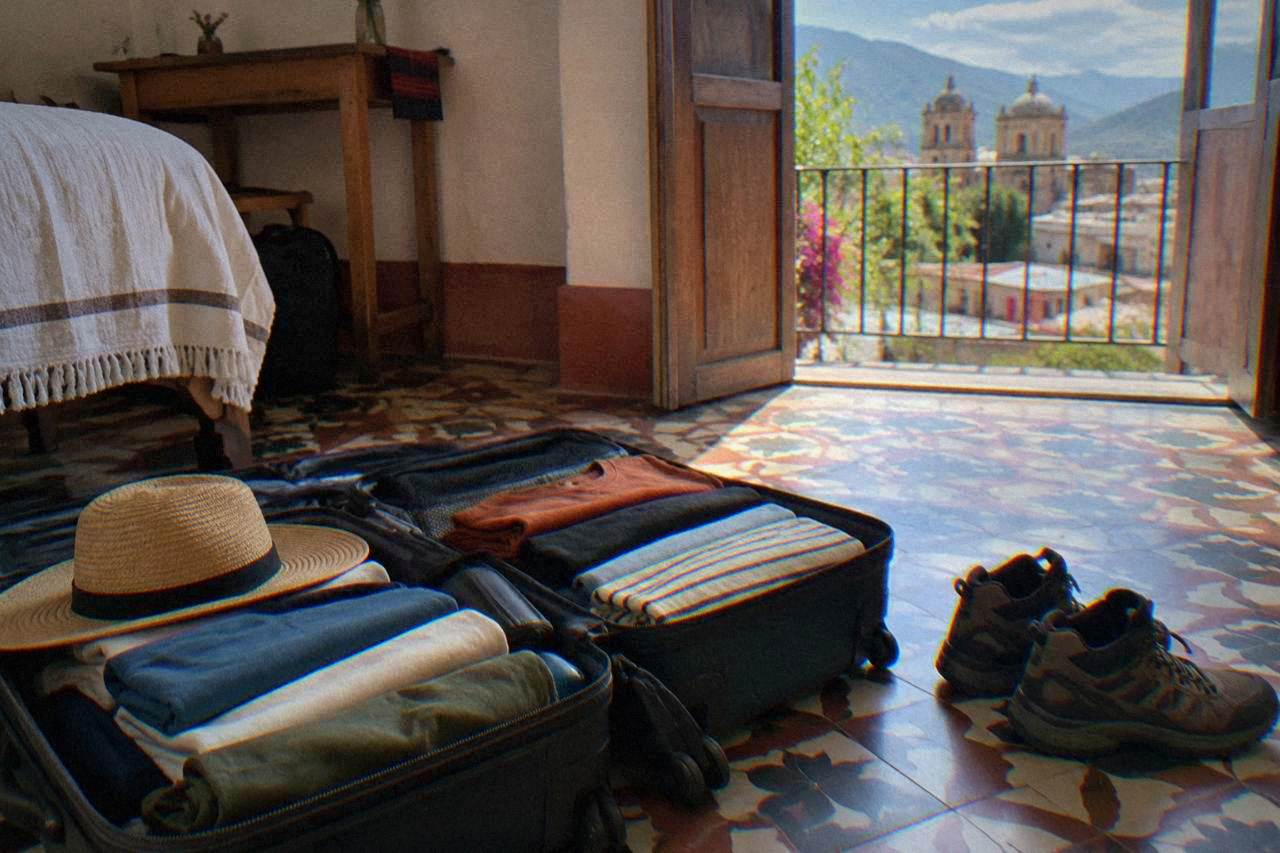
Pack for warm afternoons and cool nights year round: light layers, a jacket or sweater for evenings, sun protection for the highland sun, and rain gear if you travel between May and October, when the rainy season peaks from June to September.
Oaxaca City, the capital of the state of Oaxaca in Mexico, is an inland highland city in the Valles Centrales at about 1,550 m, and that single fact shapes everything you should put in your suitcase. Afternoons are warm, nights are cool, the sun is strong at altitude, and the year splits cleanly into a dry season from November to April and a rainy season from May to October. The SMN station normals for the city, covering 1991 to 2020, put April's average daytime high at 34.9 C and January's average overnight low at 10.3 C, a swing that catches out travellers who pack for one climate only. This guide works through the seasons month by month, turns each one into a concrete packing list, and closes with the questions travellers ask most often before closing the suitcase.
What Should You Pack For Oaxaca City In General?
The base list for any season in Oaxaca City is light daytime layers, a warm layer for every evening, comfortable walking shoes, sun protection, and a day bag, because the SMN station normals show average highs between 28.9 C and 34.9 C alongside average lows between 10.3 C and 16.7 C in every month of the year. That day-to-night spread of roughly 15 to 18 degrees is the defining packing problem, not heat alone. Add rain protection from May to October and you have the full picture.
The city rewards walking. The historic centre is compact, the Andador Macedonio Alcalá links the Zócalo to Santo Domingo de Guzmán on foot, and day trips to Monte Albán, Mitla and Hierve el Agua involve unpaved ground and long stretches outside. Footwear earns its place in the suitcase more than any single garment. Practical advice is simple: pack around your feet first, then your layers, then everything else.
Two further constants belong in the bag regardless of month. Sun protection matters at this altitude, and the same normals show the dry season months carry very little rain, November through March all average under 20 mm. And a reusable water bottle pairs with the guidance on the drinking water in Oaxaca page: treat the tap supply with caution and buy sealed or filtered water instead.
What Does The Weather In Oaxaca Actually Do By Season?
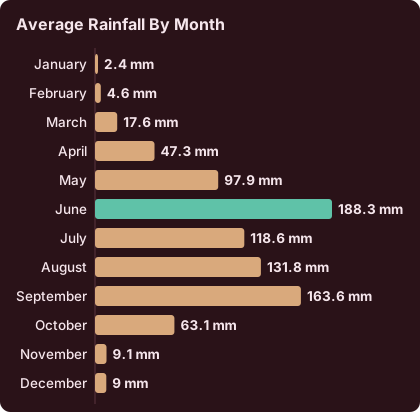
Oaxaca City has a dry season from November to April and a rainy season from May to October, with the dry months averaging between 2.4 mm and 47.3 mm of rain and the rainy months between 63.1 mm and 188.3 mm, per the SMN station normals for 1991 to 2020. June, July, August and September sit at the wet end of the season on the table, and April is the warmest month, averaging 34.9 C. December and January carry the coolest nights, averaging 11.0 C and 10.3 C respectively.
The full month-by-month picture, from the station normals:
| Month | Average High C | Average Low C | Average Rain Mm |
|---|---|---|---|
| January | 28.9 | 10.3 | 2.4 |
| February | 31.1 | 11.6 | 4.6 |
| March | 33.3 | 13.6 | 17.6 |
| April | 34.9 | 15.8 | 47.3 |
| May | 33.8 | 16.7 | 97.9 |
| June | 30.9 | 16.7 | 188.3 |
| July | 30.1 | 15.9 | 118.6 |
| August | 30.0 | 15.9 | 131.8 |
| September | 29.1 | 16.1 | 163.6 |
| October | 29.3 | 14.5 | 63.1 |
| November | 29.0 | 12.3 | 9.1 |
| December | 28.9 | 11.0 | 9.0 |
Read the table as two distinct packing briefs. November through April asks for warm-weather clothing, a real jacket for December and January nights, and almost no rain gear, with March and April the months where daytime heat becomes the main issue. May through October asks for the same warm-weather clothing plus rain protection, with June and September the heaviest months on the rain column. The rainy season in Oaxaca is covered in depth on the Oaxaca in the rainy season page, and the month-by-month detail sits on the Oaxaca weather by month guide.
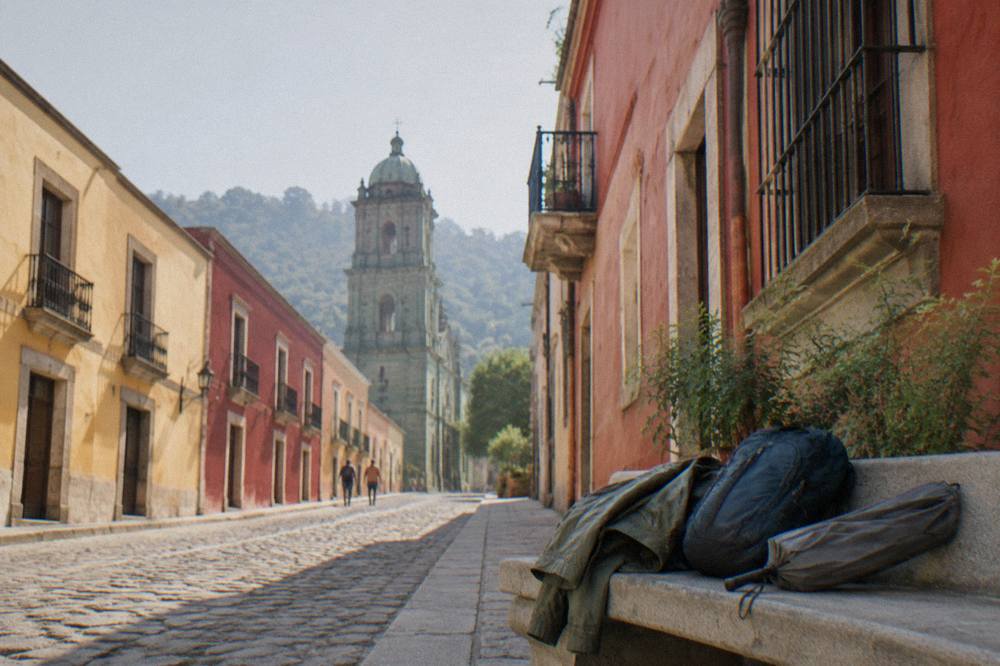
Seasonal packing at a glance:
| Season | Months | Daytime Packing | Evening Packing | Rain Gear |
|---|---|---|---|---|
| Dry, cool nights | November to February | Light layers, sun hat, sunscreen | Warm jacket or sweater, long trousers | Not needed on the averages |
| Dry, hot | March to April | Breathable clothing, extra sun protection | Light layer for late evenings | Rare; April averages 47.3 mm |
| Rainy, building | May to June | Quick-dry clothing, waterproof shell | Light sweater plus rain layer | Packable rain jacket, umbrella |
| Rainy, established | July to October | Quick-dry clothing, spare socks | Light sweater, rain layer | Rain jacket, umbrella, dry bags |
A city orientation walk is the easiest first activity once you have landed and unpacked, and it doubles as a test of whether your shoes were the right call. The Culture, History and Traditions of Oaxaca City walk covers the historic centre with a guide, and Check availability on the operator's booking page before you fly.
What Clothes Handle Oaxaca's Day To Night Swing?
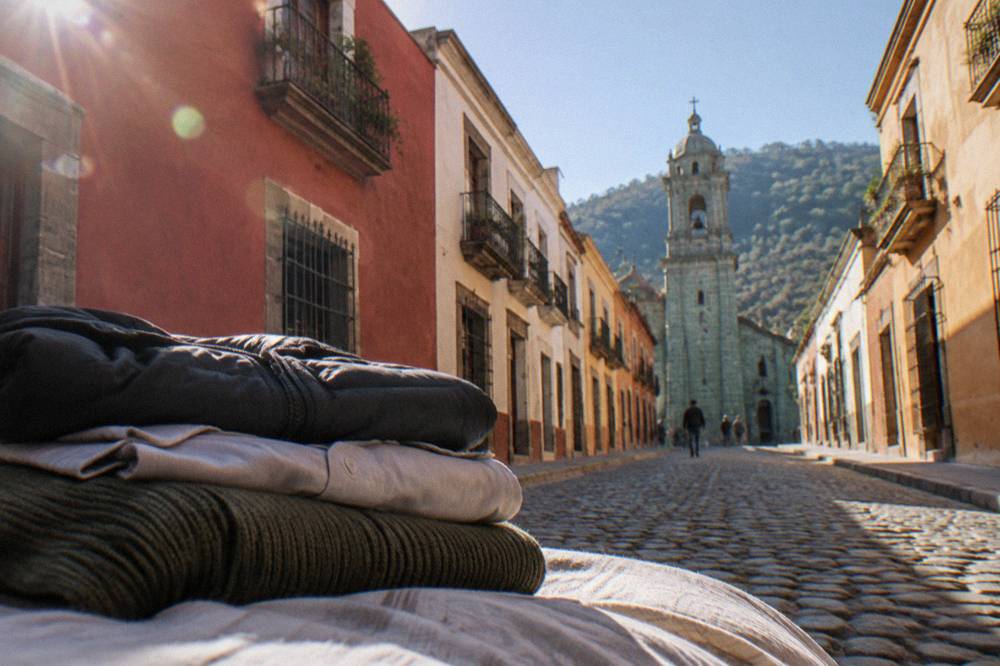
Pack a layering system rather than single-purpose outfits: a breathable base for daytime, a mid layer such as a fleece or light sweater for the evening drop, and a shell that doubles as rain protection from May to October, because every month of the year averages at least 14 degrees between its high and its low in the station normals. A jacket is not optional even in April. The pattern holds in all twelve months.
Concrete numbers make the case. In January the averages run from 10.3 C overnight to 28.9 C in the afternoon. In June they run from 16.7 C to 30.9 C. The clothing that covers both ends is clothing you can add and remove across the day, which is why locals and long-stay travellers default to a sweater in the evening even at the height of the warm months. Travelers heading to evening events, restaurant terraces or night walks should assume the temperature at departure will not be the temperature at return.
A practical layering checklist, sized to the season:
| Item | Nov to Feb | Mar to Apr | May to Oct | Why |
|---|---|---|---|---|
| Warm jacket | Yes, evenings | Light option | Light option | Lows of 10.3 C to 16.7 C |
| Sweater or fleece | Yes | Yes | Yes | The 15 C-plus daily swing |
| Breathable shirts | 3 to 4 | 4 to 5 | 4 to 5, quick-dry | Highs of 28.9 C to 34.9 C |
| Long trousers | Yes | Yes | Yes | Evenings and site visits |
| Rain shell | No | Optional | Yes | Rainy season averages |
| Compact umbrella | No | No | Yes | Rainy season averages |
What Do You Need For Monte Albán And The Valley Archaeological Sites?
For Monte Albán, Mitla and the other INAH valley sites pack closed walking shoes with grip, a sun hat, sunscreen, more water than you think you need, and cash in pesos for entry, because Monte Albán charges 210 MXN for foreign visitors and 105 MXN for Mexican nationals, and the site is open 08:00 to 17:00 with last access at 16:00 per the INAH page. The same fee category covers Mitla and Yagul.
The sites are exposed highland ground, and the dry season sun combines altitude with open sky. Hours and access cut-offs deserve careful planning: Monte Albán's last access is 16:00, Mitla's is 16:30, and Atzompa closes at 16:00 with last access at 15:00. If a packed day runs late, the entry fee and the shoes will not save the visit. Zaachila opens only Thursday to Sunday, 10:00 to 16:00, so check the day of the week before you pack the day bag for it.
The INAH fee structure in one view:
| Site | Hours | Last Access | MXN Nationals | MXN Foreigners |
|---|---|---|---|---|
| Monte Albán | 08:00 to 17:00 daily | 16:00 | 105 | 210 |
| Mitla | 08:00 to 17:00 daily | 16:30 | 105 | 210 |
| Yagul | 08:00 to 17:00 daily | 16:00 | 105 | 210 |
| Dainzú | 08:00 to 17:00 daily | 16:30 | 80 | 145 |
| Lambityeco | 08:00 to 17:00 daily | 16:30 | 80 | 145 |
| Zaachila | 10:00 to 16:00, Thu to Sun | 16:00 | 80 | 145 |
| Atzompa | 08:00 to 16:00 daily | 15:00 | Entry fee not on the INAH page | Entry fee not on the INAH page |
Distances from the Zócalo, derived from mapped road routes, tell you how much of the day each site consumes: Monte Albán about 15 minutes, Santa María del Tule about 11, Teotitlán del Valle about 26, Tlacolula about 25, Mitla about 37, Yagul about 38 and Hierve el Agua about 57. Real traffic and mountain roads run slower than the free-flow figures. Plan the day bag for a full day out, not a quick errand, and the Monte Albán and Hierve el Agua day trip guides carry the site detail.
What Should You Pack For The Rainy Season In Oaxaca?
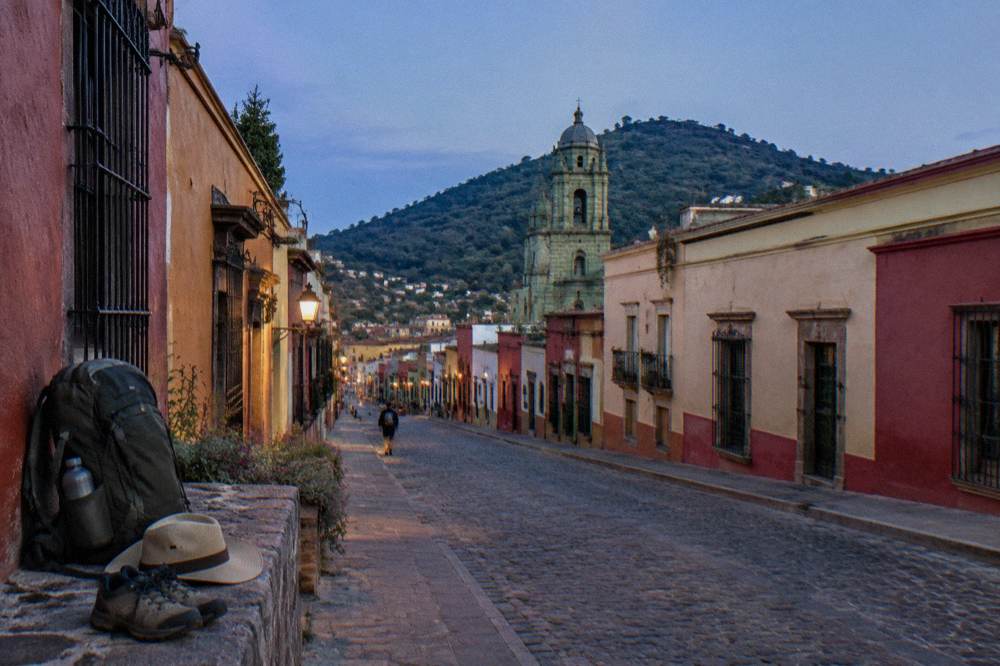
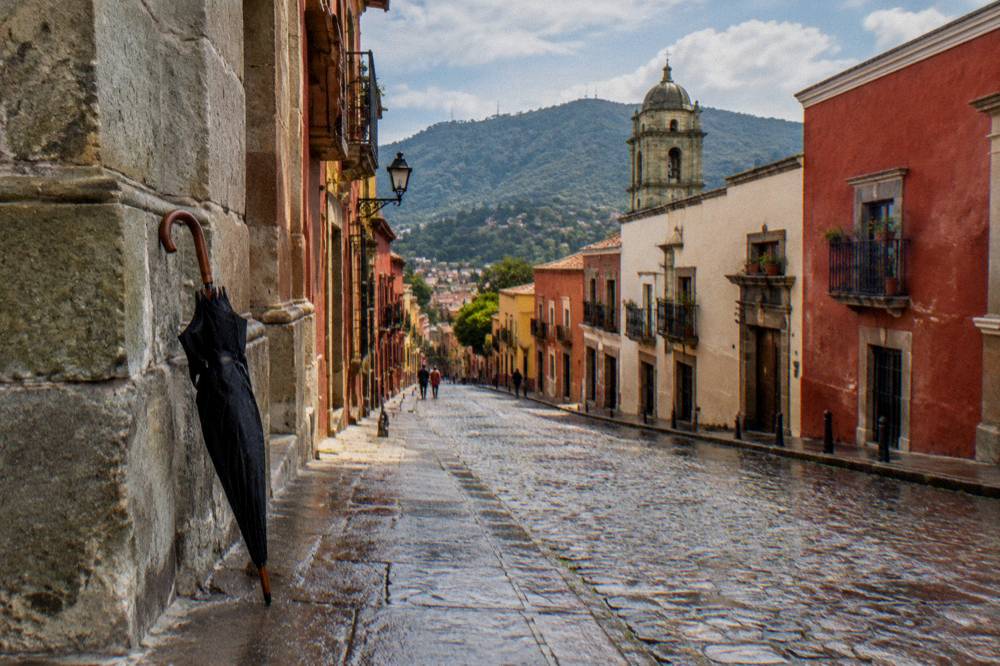
From May to October pack a packable rain jacket or compact umbrella, quick-drying clothing, a dry bag or zip pouch for electronics, and spare socks, because the rainy season months average between 63.1 mm and 188.3 mm of rain, with June at 188.3 mm and September at 163.6 mm the two heaviest months in the station normals. Wet footwear is the single most common rainy-season packing failure, so a second pair of shoes or sandals that can get wet earns its weight.
The rainy season in a highland valley does not mean all-day downpour planning; it means being ready for heavy bursts and damp ground. June, July, August and September each average roughly 20 days with rain in the normals, so a trip in those months will meet rain in some form. Clothing that dries overnight matters when the humidity is up, and a jacket that packs into its own pocket rides easily in a day bag between bursts.
Rainy-season additions worth the space:
| Item | Why It Earns Its Place |
|---|---|
| Packable rain jacket | June to September averages 118.6 mm to 188.3 mm per month |
| Compact umbrella | Usable in the city, worthless on exposed site visits in wind |
| Quick-dry shirts | Roughly 20 rain days per month from June to September |
| Spare socks | Wet streets and unpaved site paths |
| Dry bag for electronics | Sudden heavy rain away from shelter |
| Sandals that can get wet | Rotation while walking shoes dry |
What Should Go In Your Day Bag For Markets And Food Tours?
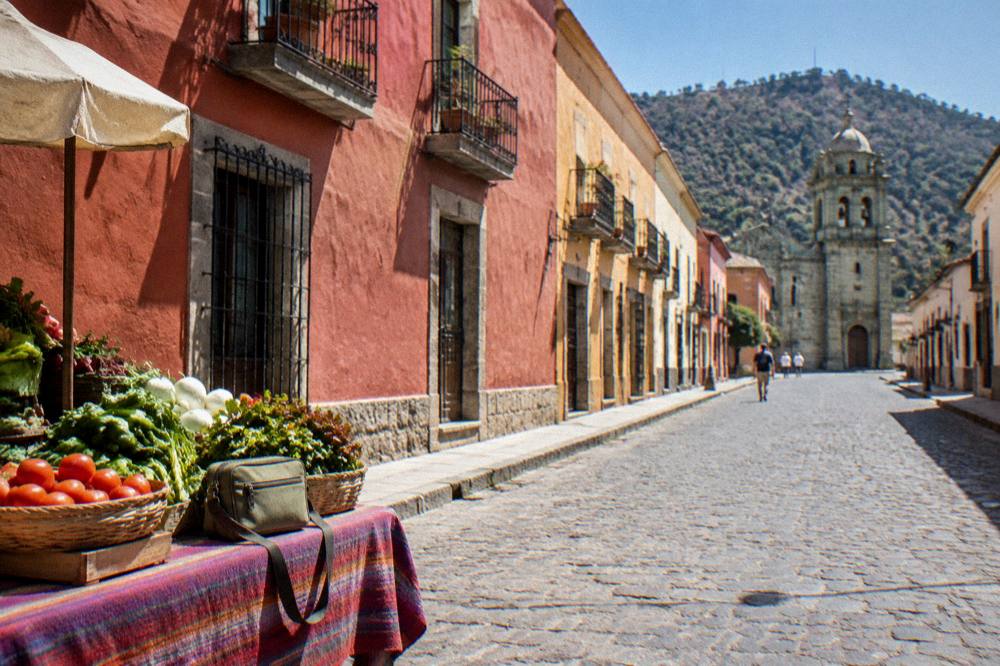
For market days and food tours pack a small day bag with a refillable water bottle, wet wipes or hand sanitizer, a light layer for cooler stalls, cash in small peso notes, and a modest appetite-management plan, because market eating is standing, walking and sampling rather than seated dining, and the city's food culture rewards readiness over equipment. Crossbody bags or day packs that close fully are the sensible shape.
The food side of the city is covered in depth on the what to eat in Oaxaca guide, from mole and tlayudas to quesillo and chocolate, and a market walk or tasting tour is one of the most reliable first-day activities. A cooking class goes one step further and turns the market into the first stop of the lesson: shopping for ingredients, then cooking them. The traditional Oaxacan cooking class is a strong pick for travellers who want the market packed into the itinerary rather than the day bag.
What Documents, Money And Extras Should You Carry In Oaxaca?
Carry your passport or a copy, a payment card plus pesos in cash, your accommodation address written down, and any booking confirmations offline, because the state lodging tax of 3 percent applies to hotel-type stays in Oaxaca and small vendors across the markets work in cash, so the practical daily kit is a card for hotels and restaurants and notes for everything else. The money and ATM detail sits on the money, ATMs and cash in Oaxaca page.
A few extras are specific to this city rather than generic travel kit. The timezone is UTC-6 all year, since Mexico abolished seasonal clock changes, so flight and tour confirmations should be checked against that fixed offset. If your trip falls in July, the Guelaguetza performances on the Cerro del Fortín are outdoor events at 10:00 and 17:00, which means sun gear for the morning show and a layer for the evening one. And if you are working out how long to stay in the first place, the how many days in Oaxaca guide gives the answer before the suitcase does.
The remaining travel-planning pages fill in arrival logistics, from the Oaxaca airport guide to the overland routes covered in the Mexico City to Oaxaca and ADO bus guides. Pack booking confirmations for each leg where they exist, and keep a paper copy of the first night's address in case the phone battery does not survive the journey.
What Should You Not Bother Packing For Oaxaca?
Leave behind beach gear, winter outerwear, and any single-climate wardrobe, because Oaxaca City is inland at about 1,550 m with no sea, no beach and no winter snow, and its station normals never leave the range of a 10.3 C low to a 34.9 C high, so the suitcase needs layers and sun protection, not swimwear or a heavy coat. The Pacific coast is a separate trip with separate packing.
Heavy boots are equally unnecessary unless a Sierra Norte hike is on the itinerary. The city centre is walkable, and the standard day trips reach Monte Albán in about 15 minutes and Hierve el Agua in about 57 by road, all manageable in a good pair of walking shoes rather than mountaineering kit. A traveller whose itinerary includes the Pueblos Mancomunados should pack for mountain weather separately, and the Sierra Norte and Pueblos Mancomunados guide covers that terrain.
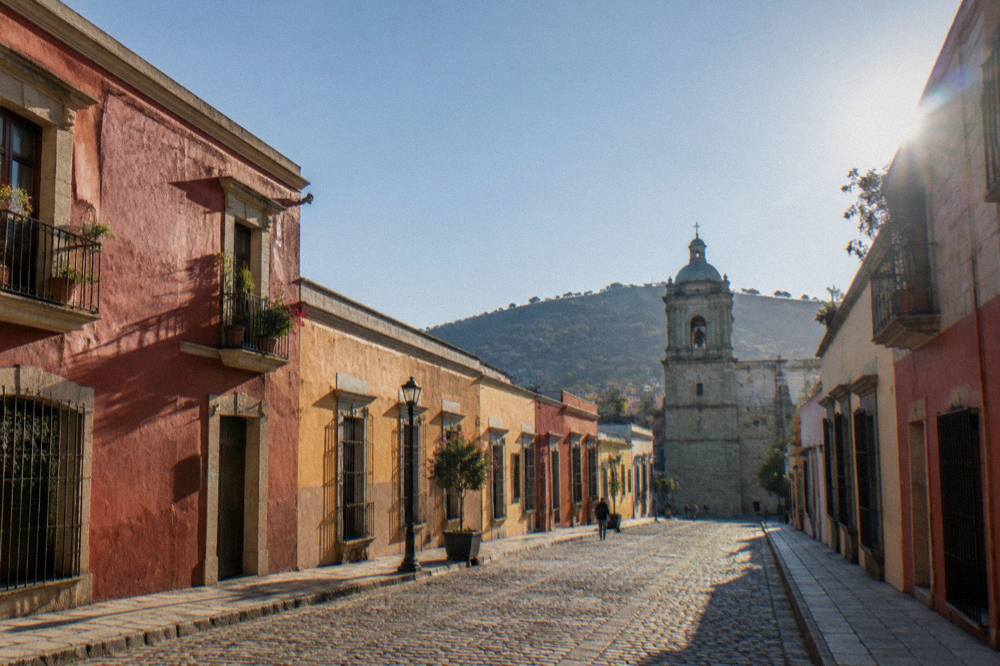
What stays home, item by item:
| Leave At Home | Why |
|---|---|
| Beach and swim gear | Inland highland city, no sea |
| Heavy winter coat | No month averages a low below 10.3 C |
| Formal evening wear | The city's dress code is casual at every price point |
| Bulky hiking boots | Walking shoes cover the centre and the standard sites |
| Umbrella, November to April | The dry months average 2.4 mm to 47.3 mm of rain |
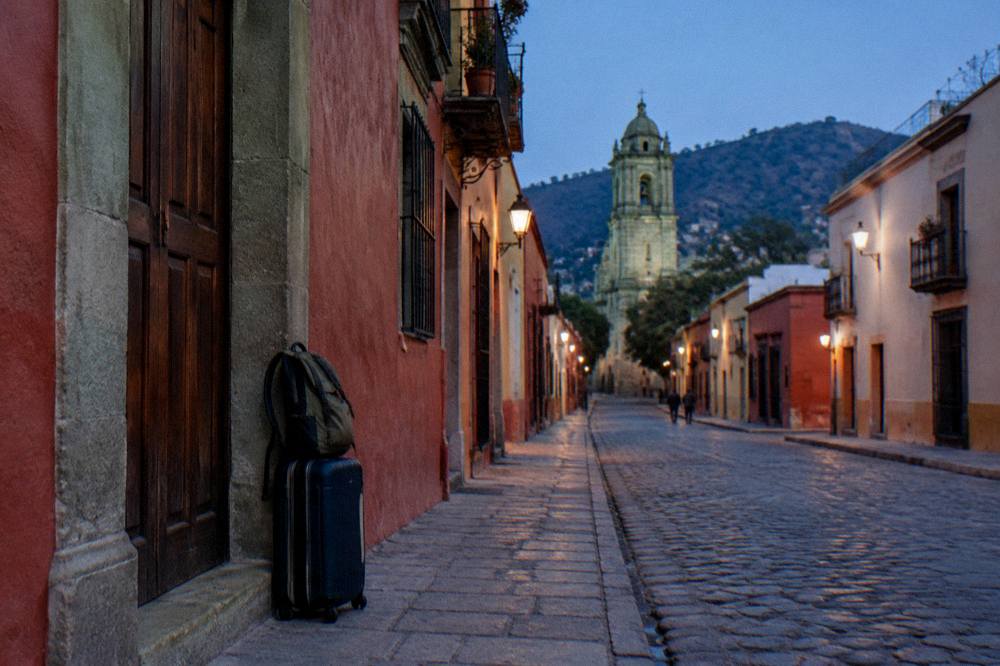
For everything beyond the suitcase, the planning guides continue from here, starting with the best time to visit Oaxaca and the Oaxaca Travel Guide home page.
Common Questions About Packing For Oaxaca
Do I Need A Jacket For Oaxaca If I Am Going In The Warm Months?
Yes. Every month of the year in the station normals averages an overnight low between 10.3 C and 16.7 C, so a sweater or light jacket for evenings belongs in the suitcase even in April, when the average high is 34.9 C and the average low is 15.8 C.
Do I Need Rain Gear For Oaxaca?
From May to October, yes. Those months form the rainy season, averaging between 63.1 mm and 188.3 mm of rain, with June and September the heaviest. From November to April the dry season averages between 2.4 mm and 47.3 mm per month, and rain gear is largely unnecessary.
What Kind Of Shoes Should I Pack For Oaxaca?
Comfortable closed walking shoes with grip. The historic centre is a walking city, and day trips to Monte Albán, Mitla and Hierve el Agua involve exposed ground and unpaved paths. In the rainy season, add sandals or a second pair that can get wet.
Can I Pack Light For Oaxaca?
Yes, if the light packing is layered. Light shirts, one warm layer, a shell for the rainy season and one good pair of shoes cover the climate range of a 10.3 C average low to a 34.9 C average high across the year.
Do I Need Cash Or Cards In Oaxaca?
Both. Cards work at hotels and many restaurants, while market stalls and small vendors work in pesos. INAH site entry fees are paid in pesos: 210 MXN for foreign visitors at Monte Albán, Mitla and Yagul, and 145 MXN at the Category III sites.
Should I Pack Sunscreen For Oaxaca?
Yes, year round. The city sits at about 1,550 m of altitude, and the valley sites such as Monte Albán are exposed open ground, so sun protection belongs in the day bag in the dry season and the rainy season alike.